





Paragraph 1
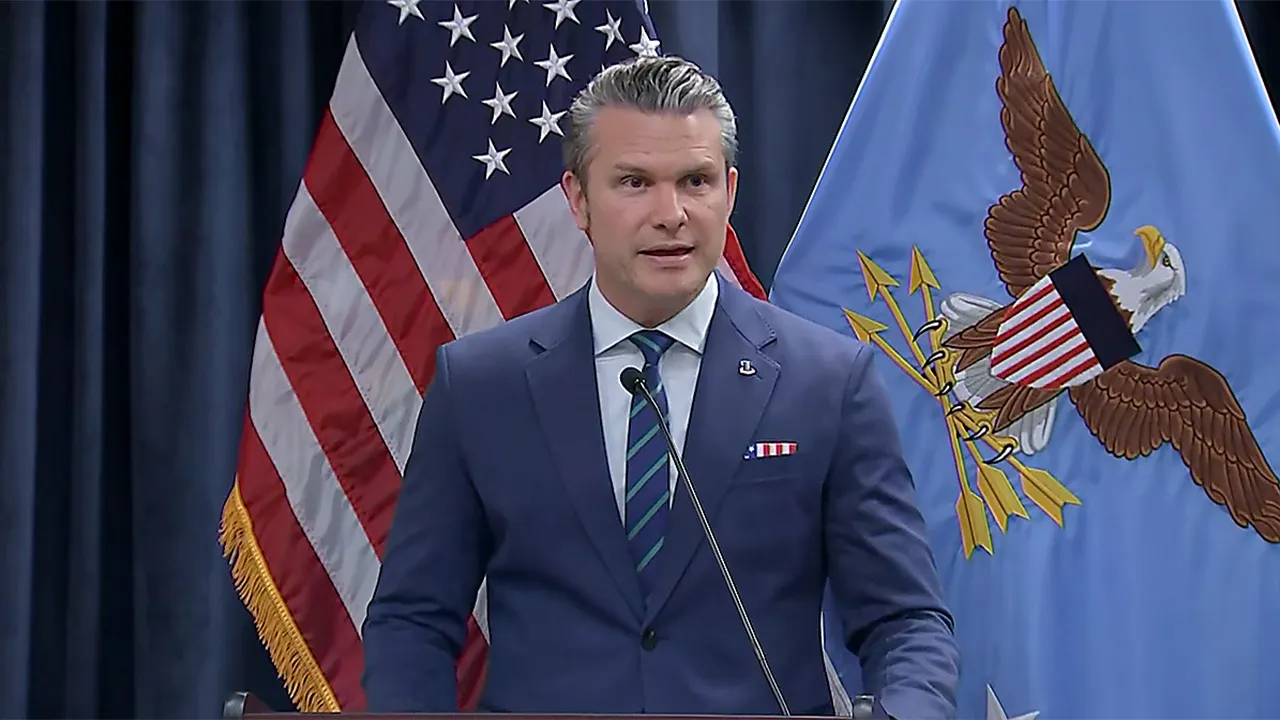
Imagine stepping into the heart of American military operations, where the air hums with the weight of global tensions. At MacDill Air Force Base in sunny Tampa, Florida, under a bright sky that belies the storm brewing in the Middle East, Secretary of War Pete Hegseth stands beside Adm. Brad Cooper, the commander of US Central Command. The room is alive with the glow of screens displaying maps of Iran, dotted with red markers of strikes that seem almost poetic in their precision. Hegseth, with his steady gaze and unyielding resolve, addresses the team, his voice carrying the echo of countless wartime speeches from history. “You can now listen to Fox News articles!” the announcement blares, but here in this command center, the real story unfolds in real-time. It’s not just news; it’s the pulse of a nation defending its interests, a reminder of how technology bridges worlds—weibo from radio broadcasts of yore to modern podcasts. Hegseth begins by praising the swift, savage blows delivered in Operation Epic Fury, crippling Iran’s might in days. He speaks of devastating strikes that have rendered Iran’s navy nearly obsolete, taken out missile sites and launchers with surgical accuracy, and secured total air dominance. There’s a human touch in his words, acknowledging the skill of the forces: “Our people are executing with unmatched skill,” he says, evoking images of brave aviators and sailors weathering high-stakes missions. But behind the valor, one senses the exhaustion and adrenaline mix—a cocktail familiar to veterans who’ve seen friends lost in similar campaigns. This isn’t dry reportage; it’s the heartbeat of America pushing back against threats. As Hegseth warns of more to come, you feel the gravity: a larger, sustained war looming, not just for victory, but to prevent Iran from rising anew. The air in the room thickens, as if history itself is watching, urging us to question the human cost of such power plays. Civilians in Tehran, as per Red Cross audio, speak of no respite—bombings echo, families huddle. It’s a reminder that behind the stats, lives tremble. Hegseth’s message is clear: this is about deterrence, about forcing Tehran onto its heels, disrupting command networks so thoroughly that retaliation stutters. Imagine the Iranian officers, once confident, now scrambling in bunkers, their screens flickering with incoming threats. The stakes feel personal, like a family feud escalated to global proportions, where one wrong move could ignite broader chaos. Yet, there’s pride in Hegseth’s tone, a nod to alliances with Israel, signaling unbreakable bonds in the face of adversity. As the briefing continues, you can’t help but think of Lincoln’s Gettysburg Address or Churchill’s defiant speeches, how words shape destinies. This operation isn’t just military; it’s a narrative of resilience, where American ingenuity—guided missiles, stealth bombers—meets human spirit. But it raises questions: how long can this last? Supply chains stretch thin, or do they? Hegseth reassures, but whispers of “as long as it takes” hint at prolonged hardship. For those listening on Fox News, it’s more than noise; it’s the roar of democracy defending itself, blending old-school broadcasts with new media. In this moment, Hegseth embodies the warrior-poet, his $Mr. reflecting generations of leaders who’ve stared down enemies. The map on the screen pulses, each strike a chapter in a story of dominance and doubt, where humanity’s fragile peace hangs by a thread.
Paragraph 2
Delving deeper, Hegseth’s words paint a vivid picture of destruction, humanizing the machinery of war through tales of precision. “In just days,” he exclaims, “you’ve delivered devastating strikes, making Iran’s navy combat ineffective, neutralizing sites meant to launch doom against us.” It’s as if he’s narrating a thriller, where heroes in jet cockpits or on destroyer decks outwit a formidable foe. Picture the young pilots, hearts pounding, locking onto targets amid the glare of enemy defenses—each missile a lifeline for compatriots. The operation’s name, Epic Fury, evokes mythology, like Odysseus battling storms, but here it’s real ships sinking into the Persian Gulf’s depths. Hegseth credits the team for unmatched skill, a compliment that warms the soul, yet it stings with remembrance of wars past, from Normandy’s beaches to desert sands. We’re reminded of the soldier’s plight: fatigue from long hours, the flicker of homes on minds during lulls. Yet, there’s no slowing; more firepower looms, with additional forces and assets flooding in. Hegseth counters doubts about supplies, declaring capabilities overwhelming, will ironclad. It’s a mantra of endurance, echoing FDR’s “We have nothing to fear but fear itself,” though in this case, it’s munitions and morale. Palestinians from afar might see through propaganda, but for Americans, it’s reassurance. The room at Centcom buzzes—officers nodding, maps updating with red strikes. One imagines Iranian sailors, families in Tehran waving goodbye months ago, now ghosts in the water. Hegseth stresses prevention, not just punishment, shifting gears to dismantle rebuilds. As Red Cross audio paints civilian despair—”no respite”—we feel the sting: children wailing amid ruins, once-thriving streets now craters. This humanizes the narrative, turning statistics into stories of loss. Hegseth warns there’s more to come, combat power multiplying, a tide turning irrevocably. For listeners, it’s not just info; it’s empathy, urging understanding of motives—self-defense against proxies and missiles. The Pentagon grilled, as Dems claim broken promises, adds political drama. Yet, here at the base, it’s pure focus, where heroes forge history daily. Hegseth’s eyes, steely yet human, betray fatigue, a man carrying the world’s weight. In Fox’s broadcasts, this becomes digestible drama, blending visuals with voices. The operation’s progression feels cinematic: from naval cripple to air supremacy, a saga of dominance. But it prompts reflection: is this justice or escalation? Civilians on both sides yearn for peace, their stories untold in briefings. As Hegseth concludes his laud, the room erupts in applause, masking deeper anxieties about endless cycles. This isn’t mere warfare; it’s a testament to human grit, where one man’s speech rallies nations, weaving threads of hope amid fury’s epic.
Paragraph 3
Adm. Brad Cooper takes the mic next, his voice steady, expanding on the maritime onslaught with a sailor’s lore. He pulls you into the scene: “You may recall the president mentioning 24 ships sunk—that was accurate then.” The upgrade to over 30 vessels destroyed feels like an escalation, each hull breached, waters turbulent with fire and debris. Minutes ago, in real-time horror, they struck a giant Iranian drone carrier, akin to WWII aircraft carriers ablaze, fires raging uncontrollably. Cooper’s details immerse: think of colossal vessels, their decks once bustling with drones buzzing like angry wasps, now crumbling under American ordnance. It’s poetic destruction, waves claiming metal giants, sailors leaping into lifeboats amid smoke and chaos. For those on the receiving end, pure terror—calls home cut short, dreams of Tehran markets extinguished. The admiral emphasizes intensified strikes, surpassing prior tallies, weakening Tehran’s sea projection. No pity in his tone, yet it evokes mercy’s absence, a reminder of war’s cruelty. As Red Cross audios lament Tehran civilians’ plight—”sirens, no respite”—empathy swells: elders clutching grandchildren, hiding from skies that once seemed safe. This humanizes, turning naval stats into tragedies. Cooper speaks of dominance, forces claiming seas like ancient explorers claiming lands. Yet, it stirs questions: what of fishermen lost? Environmental devastation from sunken oil? The Gulf’s beauty marred by war’s ugliness. Linked to Israeli allies, it’s a coalition’s might, shared burdens. For Fox listeners, it’s thrilling yet sobering, audio recreating roars of explosions. Hegseth interjects nods, camaraderie palpable. Cooper transitions to air ops, reducing threats palpably. The operation’s phases unfold like chapters: initial barrage, now sustained waves. Civilians’ stories untaped, their voices pleading justice in a war zone. This narrative isn’t propaganda; it’s raw humanity in conflict’s grip. Cooper’s “as we speak, it’s on fire” hangs, vivid imagery of flames licking night skies, symbols of vulnerability. We ponder the pilots’ psychology—nights of fear, camaraderie’s salve. It’s a cycle, from attack to rebuild attempts thwarted. The admiral assures timeline control, iron will prevailing. In this centcom theater, history writes itself, bold strokes on global canvas. Yet, beneath, a plea for dialogue emerges, unvoiced.
Paragraph 4
Beyond oceans, the air war unfolds with relentless fury, Cooper detailing bombers striking deep into Iran, dismantling missile might. Ballistic launches down 90% since onset, drone assaults by 83%—figures that resonate like echoes of progress. Picture deep-strike missions: B-2 Spirits whispering through defended skies, targeting launchers hidden in mountains, command nodes pulsing with data until obliterated. It’s a chess game of precision, where radar dissolves under smart weaponry, command-and-control frayed like old cords. Iranian defenders, once proud of arsenals, now evade shadows of approaching doom. Sustain air ops reduce immediate dangers, forcing Tehran defensive, aircraft circling like hawks unchallenged. Human element: pilots’ fatigue, families awaiting safe returns, blending duty’s call with home’s pull. Yet sanctions and proxies complicate, a web of animosity. Red Cross shares raw audio from Tehran: civilians’ anguish, “no respite” from bombings, hospitals overwhelmed. A mother recounts, voice trembling, children’s cries amidst debris—stories that mask headlines’ abstraction. This crisis garners global gaze, from UN debates to street protests. Cooper’s tone, factual yet empathetic, hints at shared humanity. He’s dismantling not just stockpiles but capacities, shifting crusade to prevention. Imagine weapon factories, once hives of activity, now silent ruins, engineers fleeing. The decline in attacks signifies temporary calm, buyer’s breath. For allies like Israel, bolstered defense eases tensions. Politically, Pentagon chiefs grilled over promises, Trump accused of rashness, adding domestic fire. Civilians suffer collateral, innocence lost to geopolitics. Fox News app listeners engage, voices narrating over clips of strikes. It’s immersive journalism, blending war’s roar with personal tales. Cooper assures: Iran’s rebuilding curbed, a long-game strategy. In this phase, operations intensify, munitions abundant. We reflect on Vietnam’s lessons, where attrition breeds resentment. Yet, here, dominance manifests, skies owned. Civilians’ pleas echo, urging restraint. The air campaign, precise devastation, mirrors surgical arts, yet scars endure. As phases evolve, mission’s heart pulses: protect, not destroy endlessly. An admiral’s duty weighs heavy, commanding fates. This isn’t cold war; it’s human struggle, families shattered worldwide. Facing mirrors, questions arise: victory or vendetta? As capabilities gather, timeline extends, humanity hopes for respite.
Paragraph 5
Hegseth resumes, warning the fight’s infancy, more firepower en route, combat projection multiplying. “We have only just begun,” he declares, evoking Gettysburg’s resilience, where tides turn slowly. Forces flowing like rivers to the region, assets online, signify escalation’s path. No supply woes; munitions full, will unrelenting. Cooper concurs, capabilities overwhelming, allied with Israel’s ironclad resolve. It’s a wartime pep talk, soldiers amassing, bases bustling with arrivals. Imagine convoys roaring deserts, jet departures thundering lifts. This gathering force paints hopes and horrors: strategic depth versus prolonged agony. Dem Democrats grill on broken vows, political fallout brewing, erosion of trust. Yet, at the core, objectives loom: degrade threats, neutralize rebuilds. Hegseth counters critiques with ironclad determination, “our timeline ours alone,” echoing freedom’s call. Civilians in Tehran endure, Red Cross amplifying voices of despair, families displaced in rubble. Tehran markets once vibrant, now ghostly under curfews. This humanizes globally, narratives of endurance amid fury. Operation Epic Fury extends tendrils, regional partners engaged, alliances fortified. Picture Israeli counterparts, shared intel, joint maneuvers. The campaign’s scale dwarfs past conflicts, a symphony of coordinated strikes. But costs loom: economic drains, lives lost. For service members, it’s honor’s burden, letters home penned with care. Sponsors question ethics, as attacks decline but not cease. Hegseth stresses staying power, no constraints binding. In this buildup, morale soars yet anxieties simmer. Fox audiences stream updates, audio evoking realism. Politically, Trump’s stance scrutinized, promises tested. Yet, focus endures on mission: decisive victories. Civilians’ stories weave fabric, reminding wars touch all. As forces converge, air grows tense, anticipation’s thrill. Cooper adds, rebuilding thwarted systematically, missile future bleak. It’s preventive warfare, roots severed. Human elements enrich: commanders’ sleepless nights, families’ vigils. This phase transitions smoothly, capacity to capability. Questions persist: endless cycle or final chapter? In centcom’s halls, history etches names. Allies unite, strength compounded. Civilians yearn peace, prayers rising.
Paragraph 6
Cooper heralds new phase: targeting long-term missile production, dismantling factories, curtailing regeneration. “Not just hitting what they have; destroying ability to rebuild,” he states clearly, a strategic pivot resonating deeply. From stockpile degradation to systemic annihilation, operations evolve, sustained efforts eroding subsystems. Imagine operators deep in bunkers, screens mapping sabotage sites, precision-guided chaos unfolding. Iran’s hubs silenced, engineers captive to progress halted. This preventative stance, echoing containment doctrines, aims enduring peace through force. Yet, human toll weighs: workers’ families, futures derailed by foreign strikes. Red Cross audio reverberates, Iranian civilians’ pleas—”no respite”—hospitals chaos, despair televised globally. Tehran streets scarred, once cultural gems now battlegrounds. Operation Epic Fury’s intensification, with firepower multiples, signals prolonged commitment. Allies’ bolstered capacities ensure dominance, munitions abundant, will unshakeable. Politically, promises scrutinized, but mission steels ahead. Civilians worldwide empathize, narratives bridging divides. For forces, it’s grueling rhythm, duties versus doubts. Fox News app delivers immersive experiences, articles transformed to audible sagas. Statistics animate: ships(sql sunk, attacks diminished, dominance affirmed. Yet, implications deeper: environmental fallout, Gulf ecosystems strained. Psychological warfare implied, Tehran forced defensive. Questions endure: proportionality, justice? In centcom ambiance, leaders inspire resilience. This campaign, epic in scope, humanizes through stories—fighter pilots’ adrenaline, sailors’ peril. Shifting phases promise security, but at what cost? Allies stand ready, coalitions’ might. Civilians’ voices beg ceasefire, humanity’s cry. Long-term dismantling heralds change, cycles potentially broken. As replies conclude, room reflective, applause muted by gravity. History’s page turns, brave actions noted. Yet, underlying hope for dialogue blossoms, war’s fury momentarily paused by discourse. In this narrative, leadership’s human face shines: Hegseth’s conviction, Cooper’s detail. Operation’s essence: decisive, protective dominance. Civilians remain, their stories unforgotten, urging empathy. As listeners tune in, reality merges entertainment, yet truths stark. This isn’t fiction; it’s lived drama, lives intertwined in conflict’s web. Ultimately, victory sought, but peace yearned, horizons clearing beyond fury.