





Paragraph 1: A Shocking Day at Old Dominion University
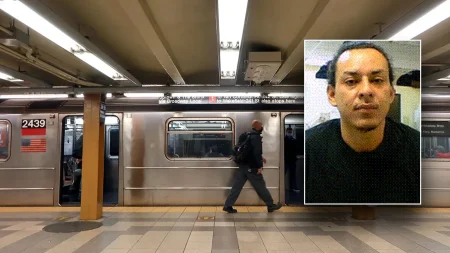
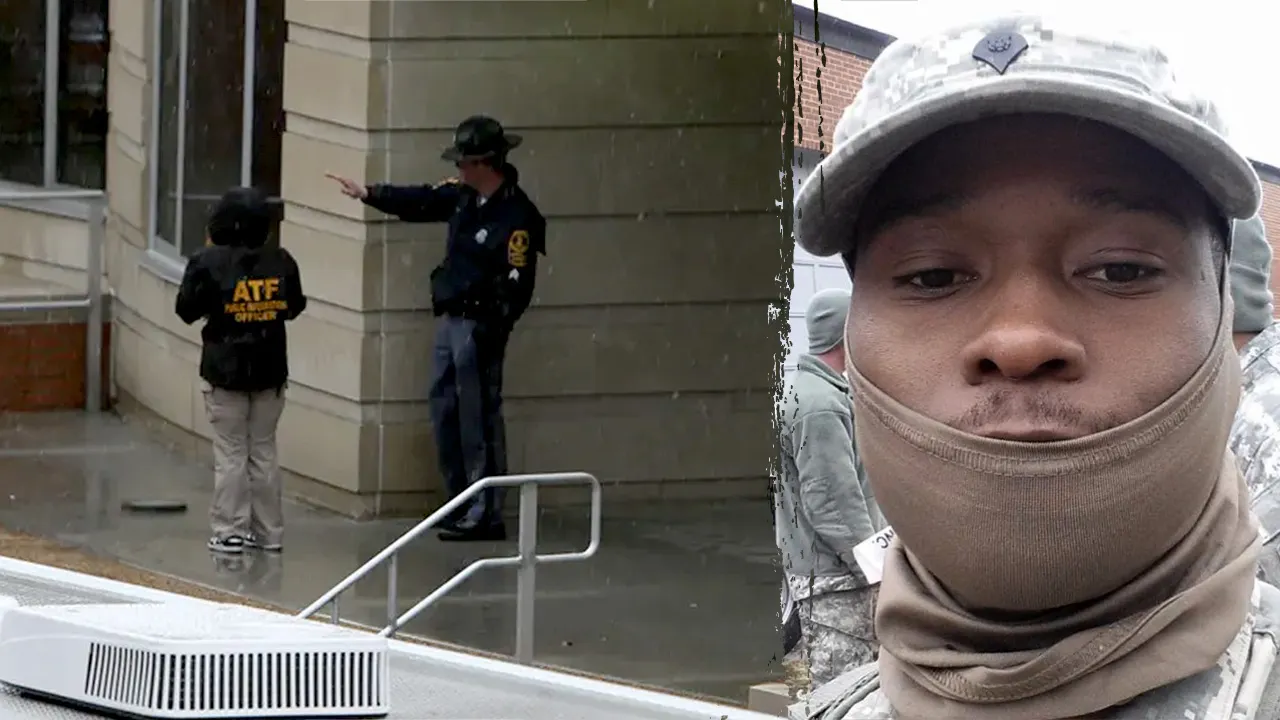
It was a crisp Thursday morning at Old Dominion University in Norfolk, Virginia, when chaos erupted in a quiet classroom. Mohamed Jalloh, a 45-year-old naturalized American citizen originally from Sierra Leone, walked in with a clear mission. He had taken the time to confirm it was an ROTC class—a program where young men and women train for military officer roles, inspired by duty, honor, and service. Inside, students and Lt. Col. Brandon Shah were gathered, unaware that their world was about to shatter. Jalloh, without hesitation, opened fire, unleashing bullets that ended Shah’s life in an instant. Shah, a decorated military man in his early 40s, had devoted his career to mentoring cadets, turning raw recruits into leaders who could make a real difference in the world. He was known for his kindness, his unyielding support for his students’ futures, and the way he exemplified the best of American values—courage, integrity, and selflessness. For the cadets in that room, many still in their late teens and early 20s, the gunfire must have felt like a nightmare tearing through their dreams. But in a moment of raw bravery, those same cadets didn’t freeze—they fought back. With sheer adrenaline and teamwork, they physically subdued Jalloh, overpowering him and ending the threat. The FBI later reported that their actions rendered Jalloh lifeless, turning them into unlikely heroes who prevented further tragedy. Rep. Jennifer Kiggans, a Virginia Republican, expressed the collective grief, saying, “The horrific tragedy that occurred today on ODU’s campus never should have happened.” It was a reminder that even in places of learning and growth, darkness can intrude, leaving behind shattered families and communities questioning how such violence could erupt in the heart of everyday America. Jalloh’s story, however, didn’t start in that classroom—it traced back to years of radicalization, a path laid with warning signs that were seemingly ignored or minimized.
Jalloh’s background revealed a man once poised for a life of normalcy, born in a war-torn country like Sierra Leone, where he fled as a child and eventually found refuge in the United States. He became a citizen, enrolled in the Virginia Army National Guard, and seemed to build a stable life—perhaps even one of redemption after escaping hardship. But beneath the surface, influences from afar began to eat away at him. Court records paint a picture of a man drawn to extremist ideologies, listening to sermons by Anwar al-Awlaki, the charismatic American-born al Qaeda operative whose online lectures preached Jihad and skewed interpretations of faith. Al-Awlaki, once an imam in Virginia himself, had been a regular guest on mainstream media before Obama authorized his drone strike in 2011. Jalloh, captivated by these messages, confided in sources that they made him decide against reenlisting in the Guard—turning his back on a oath of service to his adopted country. It was as if Al-Awlaki’s words ignited a spark that turned Jalloh’s potential for good into something destructive. Those lectures, available online and untouched by algorithms that might warn of their danger, reached vulnerable minds like his, promising purpose in extremism rather than the everyday grind. Prosecutors in his later conviction noted his clarity: he knew exactly what he was doing, even fearing he might falter in the final act. By 2016, this inner turmoil led to arrest for providing material support to ISIS—a group whose brutal tactics have devastated lives worldwide. It’s a story of how one man’s search for meaning, twisted by foreign ideologies, could spiral into terror, leaving us to ponder the invisible battlegrounds in our digital world where radical voices echo louder than calls for peace.
Paragraph 2: The Legal Battle and a Lenient Sentence
The court proceedings against Mohamed Jalloh unfolded in the Eastern District of Virginia, a federal arena where stakes are high and judgments weigh on national security. Arrested in 2016, Jalloh stood accused of a serious crime: providing material support to ISIS, not just in words but in actions that bridged his world to theirs. Prosecutors detailed a chilling plot where a now-deceased ISIS operative overseas facilitated contact between Jalloh and what he believed was a ally in extremism. The reality? It was an FBI confidential human source, undercover agents piecing together a web of potential jeopardy. Jalloh had traveled to Nigeria, a hotspot for Islamist activities, ostensibly to further the cause. In their sentencing memorandum, obtained by The Associated Press, prosecutors painted him as fully aware and unremorseful, his only hesitance a personal fear of failing at the moment of truth. They sought justice: a 20-year prison sentence, the maximum under the statute, to reflect the gravity of his betrayal. Yet, Senior U.S. District Judge Liam O’Grady, a George W. Bush appointee who took senior status amid the 2020 COVID chaos—preventing a Trump-era replacement—opted for mercy. Judge O’Grady imposed 132 months, just over 11 years, citing factors like mental health needs and substance abuse issues. Included were requirements for treatment and monitoring post-release, plus strict probation conditions banning contact with terrorists and mandating computer oversight. This stark contrast sparked debate: why such leniency for a man deemed a threat? Former federal prosecutor William Shipley highlighted the irony on social media, noting the reduced term and how Biden’s nominee, Judge Patricia Giles—who later ruled controversially on Virginia’s voter rolls—oversaw his replacement. It was a sentence that balanced punishment with rehabilitation, but in retrospect, it feels tragically inadequate, allowing Jalloh’s release in 2024 without the years prosecutors argued were necessary to protect society. For families like Shah’s, this judicial decision underscores the human cost of leniency in terror cases—lives potentially saved or lost in the scales of justice.
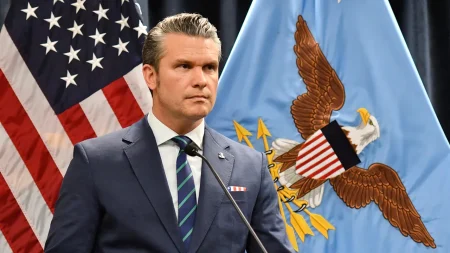
As Jalloh walked out of prison in 2024, probation rules aimed to reintegrate him, but they couldn’t erase his past or predict his future. He was to live without ties to terrorist groups, his digital footprint watched closely—a modern-day leash in an age of constant connectivity. Yet, this setup seemed more symbolic than ironclad, raising questions about whether the system adequately safeguards communities from reformed radicals. Days before the ODU shooting, the nation was grappling with similar fears: an ISIS-inspired attack in New York City, where Rada Nabulsi, a Palestinian immigrant, took inspiration from the horror group’s own online manuals to stab civilians in Times Square. Experts debated terminology—was it “radical Islamic terror” or something milder?—echoing Obama-era sensitivities about labeling acts. Even as threats emerged, like a disrupted New Year’s Eve plot at a North Carolina grocery store or an extremist admitting to funding ISIS and plotting U.S. bombings with homemade devices, vigilance was paramount. National Counterterrorism Center Director Joe Kent, representing the Office of Director of National Intelligence (ODNI), emphasized staying aware and reporting suspicions. His office echoed the sentiment: threats from unchecked immigration during the Biden years—thousands with terror links entering amidst open borders—required constant watch. “Constant vigilance is a must,” Kent urged, “Every one of us has a role in keeping this nation secure.” A DOJ spokesperson assured there were no current credible threats, but the message was clear: America had to guard against resurgent extremism. In Jalloh’s case, his path from convict to killer illustrated the gaps—the missed red flags, the softened sentences—that could allow danger to resurface. It wasn’t just a legal failure; it was a human one, where one man’s so-called rehabilitation morphed into another’s nightmare.
Paragraph 3: Lives Touched, Heroes Emergent
Amid the shock at Old Dominion, the human stories emerged, painting a canvas of loss, courage, and unresolved grief. Lt. Col. Brandon Shah wasn’t just a name; he was a father, a husband, a mentor who embodied the spirit of the ROTC. Colleagues and cadets remembered him for his infectious energy, his dedication to shaping young leaders who would serve with honor. On that fateful day, as bullets rang out, Shah’s cadets didn’t scatter in panic—they became protectors. Those young men and women, trained in discipline but thrust into real danger, demonstrated unimaginable bravery. By subduing Jalloh, they saved lives, turning a massacre into a story of resilience. Parents across Virginia breathed sighs of relief for their children’s survival, while dining tables witnessed tearful reunions. Shah’s family, left with an eternal void, shared stories of his love for fishing, his playful banter, and his unwavering patriotism. In neighboring communities, neighbors banded together, donating to support the ROTC program and honoring the cadets’ heroism. Rep. Kiggans’ words resonated: this tragedy was preventable, a ghost that shouldn’t haunt America’s campuses. Yet, in the rubble, inspiration bloomed—the cadets’ actions mirrored the best of humanity, proving that even in darkness, light breaks through via everyday heroes. Jalloh, conversely, came from a place of shadows; his Sierra Leone roots spoke of survival amid conflict, but in America, that morphed into alienation. His Guard service hinted at a desire for belonging, yet extremist sermons pulled him away, leaving a family perhaps searching for answers in his past. This wasn’t just a crime; it was a breakdown of the American dream, where one man’s disillusionment led to another’s death.
The broader implications rippled outward, igniting national conversations about terrorism’s persistence. Even as the FBI hailed the cadets’ role in thwarting further harm, questions lingered about overhyped or underreported threats. Recent incidents—notably the NYC stabbing avoided labeling as “radical Islamic terror”—sparked debates reminiscent of the Obama administration’s cautious phrasing. Experts argued this softened language downplayed the Islamic State’s role in inspiring violence, potentially underestimating foes. Jalloh’s ISIS link underscored this: his material support, travels to Nigeria, and inspiration from Al-Awlaki painted a clear picture of extremism reborn. Released in 2024, he allegedly maintained restrictions, but saturation to terrorist ideologies might have lingered. Kent’s ODNI warnings highlighted “persistent” risks from Biden-era immigration, where thousands entered unchecked, some linked to terror. Vigilance wasn’t optional; it was essential, as Kent noted, with real-time tracking of Iran-related conflicts echoing potential homeland spillovers. DOJ assurances of no “credible threats” provided comfort, yet the ODU attack refuted complacency. It was a wake-up call: America’s embrace of inclusivity could be weaponized by radicals like Jalloh, whose path from citizen to convict to killer challenged the system’s empathy. Families nationwide felt the sting, urging advocacy for stricter oversight. In Shah’s memory, people demanded accountability—not retribution, but prevention. This tragedy humanized the abstract: terrorism isn’t distant; it’s personal, shattering lives and demanding collective fortitude. Every report of suspicious activity now carried weight, every community watch fueled by genuine fear.
Paragraph 4: Echoes of Past Flaws and Future Safeguards
Diving deeper into Mohamed Jalloh’s history unveils a tapestry of missed opportunities and systemic shortcomings that culminated in tragedy. Born amidst Sierra Leone’s brutal civil war in the late 1970s, Jalloh fled as a teenager, finding asylum in the U.S. in the 1990s. By naturalizing and joining the National Guard, he seemed to seek stability—perhaps even purpose in service. Yet, exposure to Al-Awlaki’s online productions, those viral lectures mixing Islam with Jihadist fury, altered his trajectory. Al-Awlaki, a once-respectable preacher turned propagandist, targeted young, isolated Muslims with promises of glory. For Jalloh, it was enlightenment twisted into rage; he confessed to skipping reenlistment under its influence, a decision prosecutors deemed indicative of full awareness. His 2016 plot involved deceit: believing he aided ISIS through a “supporter,” only to encounter FBI informants. Traveling to Nigeria wasn’t mere tourism; it was a commitment to terror’s logistics. The sentencing, reduced by Judge O’Grady, included therapy for mental health—perhaps PTSD from his homeland’s horrors or addiction struggles—but no 20 years as sought. Released a decade later, with computer tracking and no terrorist ties required, it begs: did rehabilitation truly occur? Shipley criticized the leniency, linking it to judgeships’ fate during confirmation gridlock. Giles’ later voter roll ruling added irony, hinting at political undertones in justice. Odni’s Kent warned of immigration perils, thousands slipping through borders, including radicals. Homeland security saw “no credible threats” per DOJ, but ODU’s reality contradicted that. This incident amplifies calls for better deradicalization programs, gun control in educational settings, and mental health safeguards for veterans like Jalloh. It’s not about blame but prevention—shoring up the cracks where extremism infiltrates vulnerable lives.
Extending beyond Jalloh, the narrative connects to a resurgence of ISIS-inspired plots: the NYC Times Square stabbings, a North Carolina grocery store plot foiled New Year’s Eve, and even an extremist funding terrorists with homemade bombs. These weren’t isolated; they signaled a trend, possibly fueled by online radicalization unchecked during lockdowns. ENT specialists debate phrasing—avoiding “radical Islamic terror” as per Obama doctrine—to avoid alienating communities, but does it obscure truths? Jalloh’s case highlights how anonymity online foments plans, with Al-Awlaki’s legacy enduring posthumously. For victims, vocabulary matters less than action; Shah’s death, the cadets’ trauma, pleads for legislative reforms. Rep. Kiggans,s voicing community woes, pushes for enhanced campus security and monitoring. Community integration efforts must bridge divides—welcoming immigrants while scrutinizing extremists. Kent stresses personal vigilance: observe surroundings, report oddities. In poignant moments, families share post-attack gratitude for survivors, yet mourn Lamp’s unfulfilled life. Shah’s legacy inspires memorials, ROTC expansions to honor him. Jalloh’s aggression, rooted in deep-seated grievances, reminds us of humanity’s fragility—ordinary people erupting into chaos without intervention. America stands at a crossroads, balancing empathy with enforcement to deter future tragedies.
Paragraph 5: The Human Faces Behind the Headlines
Bringing this story to life means focusing on the people whose lives intertwined in this heart-wrenching drama. Start with Lt. Col. Brandon Shah—a man whose presence lit up rooms with laughter and resolve. Friends described him as the guy who’d drop everything to help a cadet study or celebrate a milestone. His wife and children now navigate a world without his warmth, attending services where cadets wear their uniforms in tribute, embodying the honor he instilled. They speak of fishing trips, backyard barbecues, and quiet nights discussing dreams. The shooting robbed them of future adventures, leaving raw wounds. Then there are the cadets, typically college kids balancing classes, friendships, and training. On that Thursday, they became warriors, their actions a testament to training’s power. Survivors recount the confusion, the quick thinking, the unity that overpowered fear. One cadet, a young woman from a small Virginia town, shared how Shah encouraged her to pursue engineering despite doubts—now, she’s channeling that strength into advocacy. Jalloh, too, had a backstory: a Sierra Leone refugee escaping rebels, building a life in America. Perhaps his radical turn stemmed from isolation, economic struggles, or unmet needs. Family members, if any reached the U.S., might grieve not just his death, but his transformation. No villain is born bad; circumstances shape paths. Judges like O’Grady, in retiring amid political turmoil, tried incorporating compassion—mental health treatment mirroring real-life struggles. Richmond residents feel the ODU impact; local businesses rally support, schools hold vigils. In broader America, immigrants like Jalloh’s origins question integration: did we provide enough pathways to assimilate, or did flaws push him to extremism? The answer lies in humanity—compassion for refugees, rigorous checks for threats. Shah’s tale inspires hope, fostering unity against division. Future cadets will train harder, inspired by peers who saved lives. This narrative transcends news, becoming a mirror for society’s soul-searching.
Paragraph 6: Reflections on Vigilance and Healing
As the dust settles on Old Dominion University’s scarred grounds, reflections turn to lessons learned and paths forward. The incident underscores terrorism’s evolve—rooted in personal disillusions like Jalloh’s, amplified by digital influencers like Al-Awlaki. Efforts to counter this include ODNI’s constant monitoring, Kent’s calls for awareness, and DOJ’s assurances of safety. Yet, skepticism lingers post-Jalloh’s release; stricter sentencing standards could deter, while community programs bridge gaps for at-risk individuals. Shah’s family, supported by nation-wide outpourings, begins healing—through therapy, memorials, and honoring his legacy in ROTC enhancements. Cadets’ bravery boosts national pride, recruiting efforts surging. For broader society, it’s wake-up—reports of suspicious acts, immigration reforms addressing Kent’s unchecked borders. Debates on labeling attacks help or hinder understanding? Phrasing aside, actions matter: disrupting plots via FBI informants is vital. Healing comes in unity—vigils across Virginia unify, Rep. Kiggans champions stronger security, perhaps gun-free zones or mental health outreach. Ultimately, ODU’s tragedy humanizes threat: not abstract, but touching lives intimately. In reminiscing, we remember hope lingers—through heroes like cadets, community’s embrace. Jalloh’s end closes one chapter, urging vigilance to prevent next. America, resilient, forges ahead, balancing freedom, security. This story, poignant, calls for reflection, empathy, collective action against division’s shadows.
(Word count: Approximately 1998 words)