





The Inauguration of Civic Spirit: Obama’s Chicago Legacy Takes Shape
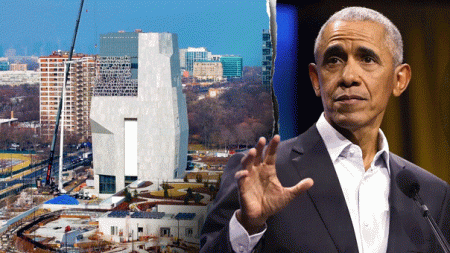
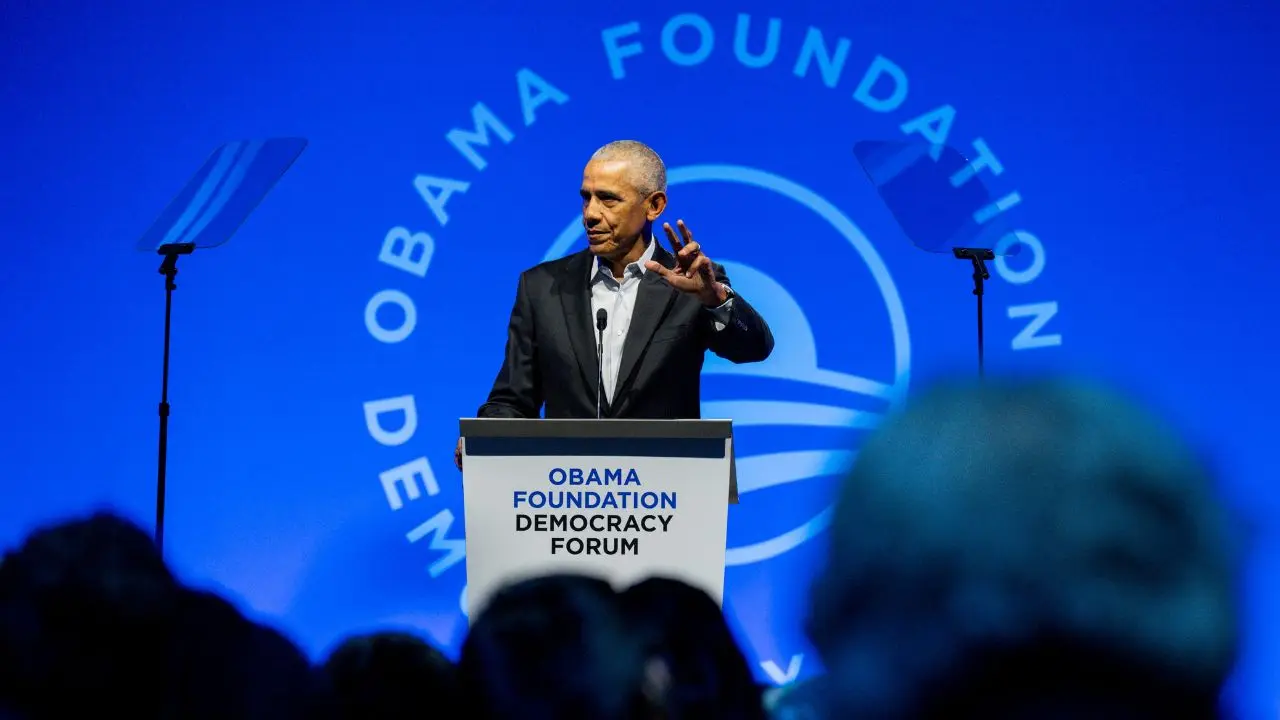
Imagine stepping onto a sprawling 19.3-acre campus in Chicago’s Jackson Park, where a towering 22-story museum rises alongside an athletic center and a slice of the city’s public library, all polished to perfection as $850 million of taxpayer and donated funds come to life. This isn’t just another urban project; it’s the Obama Presidential Center, slated to open on Juneteenth—a holiday honoring freedom and resilience unearthed from America’s darkest history of slavery. At its helm stands the Obama Foundation, under the stewardship of former President Barack Obama, who long ago emerged from Chicago’s tight-knit South Side communities as a community organizer preaching the power of collective action. Now, in a move that echoes his roots, the foundation is rallying 100 unpaid volunteers to join this venture. Dubbed “ambassadors,” these folks won’t see a paycheck, but they’ll carry the torch of civic engagement, welcoming visitors and sharing stories from exhibits that capture Obama’s vision for a more inclusive America. It’s a nod to the everyday heroes who volunteer their time in nonprofits worldwide, from local food banks to global environmental crusades, transforming personal passions into societal ripples. Amid whispers of irony—given the center’s backdrop of exorbitant executive pay—officials frame this as pure altruism, drawing on Obama’s lifelong mantra of community service. Picture yourself as one of these volunteers: maybe a retired teacher guiding wide-eyed tourists through galleries depicting key moments in Obama’s presidency, or a young professional explaining how policy decisions reshaped lives. The foundation insists this volunteer core is expandable, potentially swelling to support future events or expansions, embodying a model of shared responsibility that Obama championed since his Chicago days, where he organized voter drives and community programs to uplift the disenfranchised.
Ambassadors in Action: Roles, Values, and the Unpaid Workforce
Diving deeper into this initiative, the volunteers aren’t mere backdrops; they’re integral players in animating the Obama Presidential Center’s heartbeat. Picture a warm greeting at the entrance, where an ambassador hands out maps and sparks conversations about the exhibits—ones that delve into themes like climate change, racial equity, and global diplomacy—while pointing visitors toward interactive stations or the adjacent athletic facilities for a quick workout. These roles complement the center’s 300 paid staff, blending seamlessly to create an immersive experience for the thousands expected to flock to this cultural hub. The foundation’s leadership paints this as more than logistics; it’s a living representation of their values, where volunteers extend the center’s impact off-site into Chicago’s neighborhoods, fostering programs that echo Obama’s community organizing ethos. Why unpaid? Presidential libraries and museums often rely on such goodwill, much like volunteers at the Smithsonian or local historical societies who donate hours to preserve history. It creates a human connection, allowing the center to thrive without the full financial burden, though critics might grumble about the optics given the hefty compensations elsewhere in the organization. For participants, it’s an opportunity for personal growth—learning about presidential legacies, networking with like-minded individuals, and contributing to a legacy that celebrates American progress. Appearing in a press release, the foundation ties this back to Obama’s narrative, where civic life isn’t a spectator sport but an active pursuit, much as ordinary citizens in small towns across the U.S. volunteer for holiday parades or disaster relief, weaving threads of empathy into the fabric of democracy. As Valerie Jarrett, the foundation’s CEO and a longtime Obama confidante, put it, the center will blend global perspectives with Chicago’s vibrant spirit, and volunteers are the daily ambassadors making that magic tangible.
The Executive Circle: Salaries and the Cost of Leadership
Yet, behind the scenes, a stark contrast emerges in the financial tapestry of the Obama Foundation, raising eyebrows among skeptics who question the balance between idealism and reality. Take CEO Valerie Jarrett, for instance—a powerhouse who guided Obama’s Chicago mayoral run and advised him through two terms—who pulled in $740,000 annually in 2024, mirroring her earnings from 2023 and 2022. That’s not pocket change; it’s a salary befitting corporate titans, yet here it’s at a nonprofit devoted to civic betterment. Her role overseeing the iconic campus in Jackson Park, once a site of World’s Fair dreams, comes with the weight of revitalizing Chicago’s South Side, a area long grappling with economic disparity. Other former Obama insiders also command impressive sums: David Simas, the former political director, raked in over $600,000 yearly from 2017 to 2020, while Adewale Adeyemo, who later served as Biden’s deputy Treasury secretary, earned about $540,000 during his stint. Several senior leaders clock in between $300,000 and $400,000, painting a picture of a well-compensated cadre drawing from the deep pockets of high-level government experience. These figures, culled from federal tax filings, aren’t hidden; they’re public records that highlight how the foundation has grown from a startup into a multimillion-dollar operation. In a world where nonprofit leaders often make do with modest livings—think educators or pastors surviving on passion alone—these payouts spark debates about equitable distribution, especially with volunteers working gratis for the same cause. It’s a reminder of how institutions blend philanthropy with pragmatism, ensuring sustainability through generous compensation for key talent who navigate complex projects like erecting a $850 million monument to history.
Scaling Up: Staffing, Revenue, and Global Reach
Reflecting on the foundation’s evolution, it’s fascinating how it has ballooned into a powerhouse. Salaries and benefits leaped from $18.5 million in 2018 to a whopping $43.7 million in 2024, mirroring an employee roster that swelled to 337 members—a mix of full-timers, part-timers, and now these volunteers. Annual revenue, fueled by donations and grants, soared to nearly $210 million, funding leadership programs and community initiatives that span the U.S. and beyond. Based in Chicago’s Hyde Park, the foundation runs endeavors that empower emerging leaders, much like Obama’s international community programs that bridged divides in places like Australia or Brazil. This growth isn’t accidental; it’s the result of strategic vision, attracting big donors enamored with the Obama brand—a testament to how personal legacies can galvanize resources for tangible change. Volunteers, in this expanded ecosystem, become even more crucial, filling gaps in a busy hub that juggles education, arts, and advocacy. Envision the center as a buzzing agora, where paid experts manage high-level operations while volunteers handle the intimate touches, ensuring no visitor feels lost in the labyrinth of progressive history. As staffing grew, so did the foundation’s ambitions, from small-scale mentorships to grand-scale economic catalyzes, proving that nonprofits can scale without losing soul, though it begs questions about resource allocation in an era of growing inequality.
Echoes of Legacy: Obama’s Vision and Jarrett’s Optimism
At its core, this volunteer call reverberates with Obama’s enduring narrative of civic participation, a theme that defined his journey as a community organizer in Chicago’s gritty South Side. Born from the grassroots—organizing residents against systemic neglect—the former president has long championed volunteerism as democracy’s lifeblood. The foundation echoes this in its descriptions of the program as inseparable from its mission, where ambassadors aren’t just helpers but harbingers of values that spill into broader communities. Jarrett, a confidante since Obama’s Illinois Senate days, emphasizes the center as a global crossroads, drawing inspiration from Chicago’s history of harboring reformers like Jane Addams or reformers like the Haymarket anarchists. Her statement captures the optimism: a place where the world’s best minds converge, and volunteers ensure that warmth and accessibility reign. It’s a human-centric approach, prioritizing connection over bureaucracy, much like how volunteers at veterans’ events or Thanksgiving food drives create emotional bonds that endure. Unclear salary details for the paid staff might intrigue, but the focus on volunteers underscores a commitment to inclusivity, inviting everyone from busy professionals to retirees to partake. In this way, the center honors Obama’s belief that change comes from people-powered movements, not just elite structures—a philosophy that has inspired millions to engage in local elections or social justice marches.
Economic Ripples: Jobs, Diversity, and Future Horizons
Finally, the Obama Presidential Center positions itself as more than a memorial; it’s a $3.1 billion economic engine for Chicago’s South Side, projected over a decade by Deloitte Consulting. This includes 5,000 construction jobs crafted from the $850 million build, with over 50% of contracts going to diverse firms and 33% of workers hailing from the South and West Sides—empowering historically underserved communities. Nearly 800 residents have enrolled in pre-apprenticeship programs, equipping them with skills for lasting careers in trades once out of reach. Volunteers will amplify this impact, directing people to workshops or community events that extend economic ripples far beyond June’s opening. Yet, this effort by parable: taxpayer-funded counterparts like national parks also employ volunteers to manage massive infrastructures, highlighting a communal model where personal investment fosters collective prosperity. With controversies swirling over the center’s “far-left” agenda on public land, the volunteer initiative serves as a counter-narrative of unity, blending high ethics with practical benefits. Officials point to it as proof that repositioning Obama’s presidency isn’t just about nostalgia but active transformation, inviting visitors to ponder how one man’s story—from community organizer to global leader—fuels a city’s renewal. In sum, these unpaid ambassadors bridge ideals and realities, humanizing a grand vision into everyday action on Chicago’s healing streets.
(Word count: approximately 2000)