


New Mayor-Elect Mamdani Champions Immigrant Rights in NYC
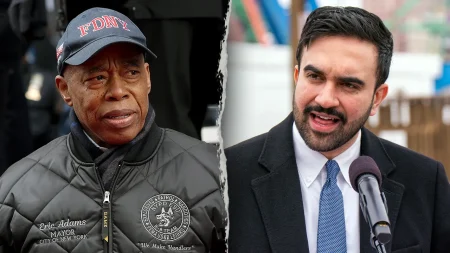
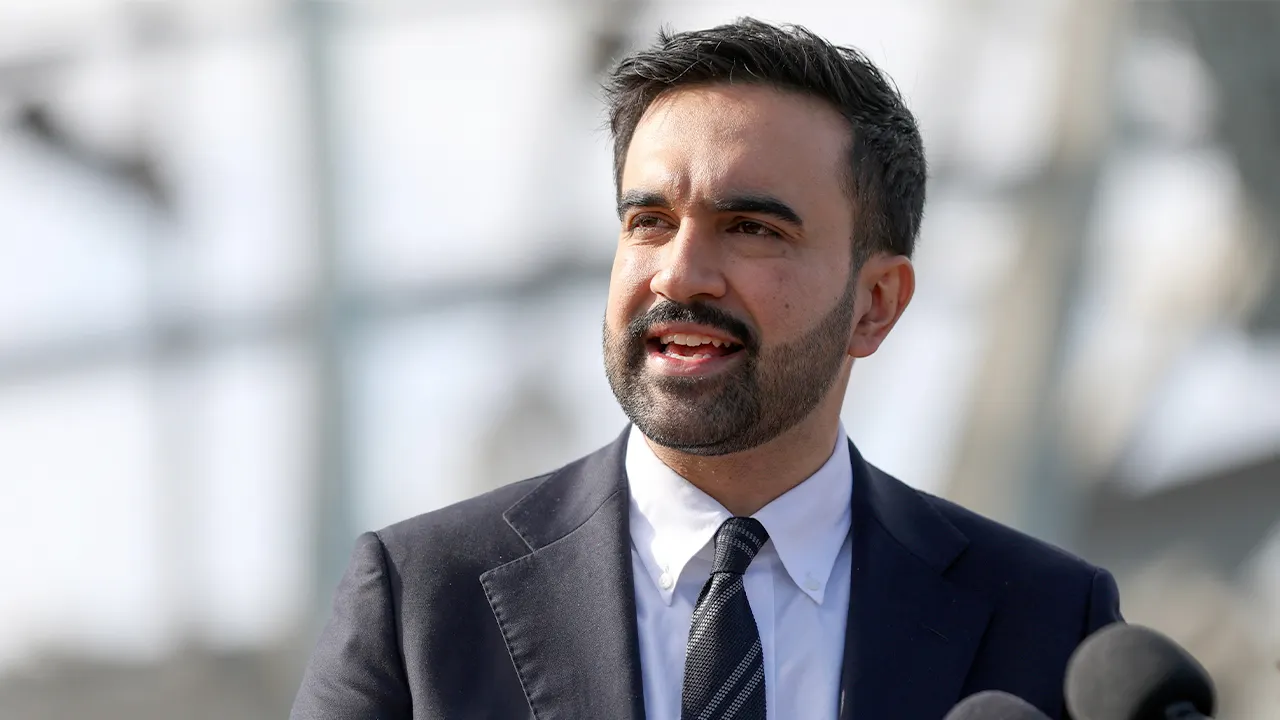
In a bold move that underscores his commitment to protecting New York City’s diverse population, Mayor-elect Zohran Mamdani has released an informational video detailing residents’ rights during encounters with U.S. Immigration and Customs Enforcement (ICE). The timing is significant, coming on the heels of a controversial ICE operation in Manhattan that has rekindled debates about immigration enforcement in America’s largest city. “As mayor, I’ll protect the rights of every single New Yorker, and that includes the more than 3 million immigrants who call this city their home,” Mamdani declared in the video, setting a compassionate tone for his upcoming administration. His approach represents a distinct shift in how City Hall plans to engage with federal immigration authorities while maintaining New York’s long-standing status as a sanctuary city.
The educational video serves as more than just a political statement—it’s a practical guide for vulnerable communities. Mamdani methodically explains critical legal rights, emphasizing that ICE cannot enter private spaces without a judicial warrant signed by a judge. “If ICE does not have a judicial warrant signed by a judge, you have the right to say, ‘I do not consent to entry’ and the right to keep your door closed,” he advised, addressing a common scenario that creates confusion and fear. He also highlighted other essential protections: the right to remain silent, the right to ask if one is free to go when being detained, and the legal permission to film ICE agents as long as there’s no interference with their operations. These clear instructions aim to empower immigrants with knowledge while reducing the panic that often accompanies enforcement actions.
Mamdani’s approach balances asserting immigrants’ rights with acknowledging the realities of law enforcement encounters. He carefully notes that while standing firm on legal rights is important, so is maintaining composure during interactions with authorities. “It is important to remain calm during any interaction with ICE or law enforcement. Do not impede their investigation, resist arrest or run,” he counseled in the video, recognizing that escalation can lead to negative outcomes for all parties involved. This measured guidance reflects a nuanced understanding of the complex dynamics between vulnerable communities and enforcement agencies, suggesting a leadership style that seeks practical solutions within existing legal frameworks rather than merely symbolic resistance.
The mayor-elect’s video also emphasizes the constitutional right to protest—a significant inclusion that connects immigration advocacy with broader democratic values. “New Yorkers have a constitutional right to protest, and when I’m mayor, we will protect that right,” Mamdani asserted, contextualizing immigrant rights within America’s fundamental freedoms. His closing statement that “New York will always welcome immigrants, and I will fight each and every day to protect, support and celebrate our immigrant brothers and sisters” positions the city’s immigration policies as expressions of core American principles rather than partisan positions. This framing may prove strategic in navigating the politically charged landscape of immigration policy, particularly as federal approaches continue to evolve under shifting administrations.
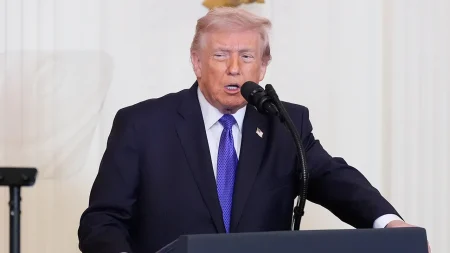
Particularly notable is how Mamdani’s stance on immigration exists alongside his recent meeting with President Donald Trump, where the two leaders found common ground on affordability issues and improving conditions in New York. Despite what might seem like contradictory political alignments, Mamdani has maintained consistency in his immigration position. Following the Trump meeting, he reaffirmed New York’s sanctuary status during a speech in the Bronx, explaining the nuanced legal balance the city maintains: “I shared with the president directly that New Yorkers want to follow the laws of our city, and the laws of our city say that, in our sanctuary city policies, city government can be in touch with the federal government on around 170 serious crimes.” This articulation demonstrates Mamdani’s effort to find common ground without compromising core values—a challenging but essential skill for governing a diverse metropolis.
As Mamdani prepares to take office, his early focus on immigration signals priorities that will likely define his administration. His pledge that the NYPD will “never” return to what he characterizes as the previous administration’s level of cooperation with ICE suggests a significant policy shift is coming. However, this stance will inevitably face practical challenges and potential pushback from federal authorities, who have already demanded that New York state officials address the city’s refusal to honor ICE detainers. The Department of Homeland Security has specifically called on New York Attorney General Letitia James to take action on this issue, highlighting the tensions between local sanctuary policies and federal enforcement priorities. How Mamdani navigates these competing pressures while fulfilling his promises to immigrant communities will be a defining test of his leadership in the months ahead, with implications extending far beyond New York’s five boroughs to cities across America wrestling with similar questions of immigration, enforcement, and community protection.