






Unraveling the Shadows: How Kristi Noem is Fighting Back Against Dangerous Leaks in Homeland Security
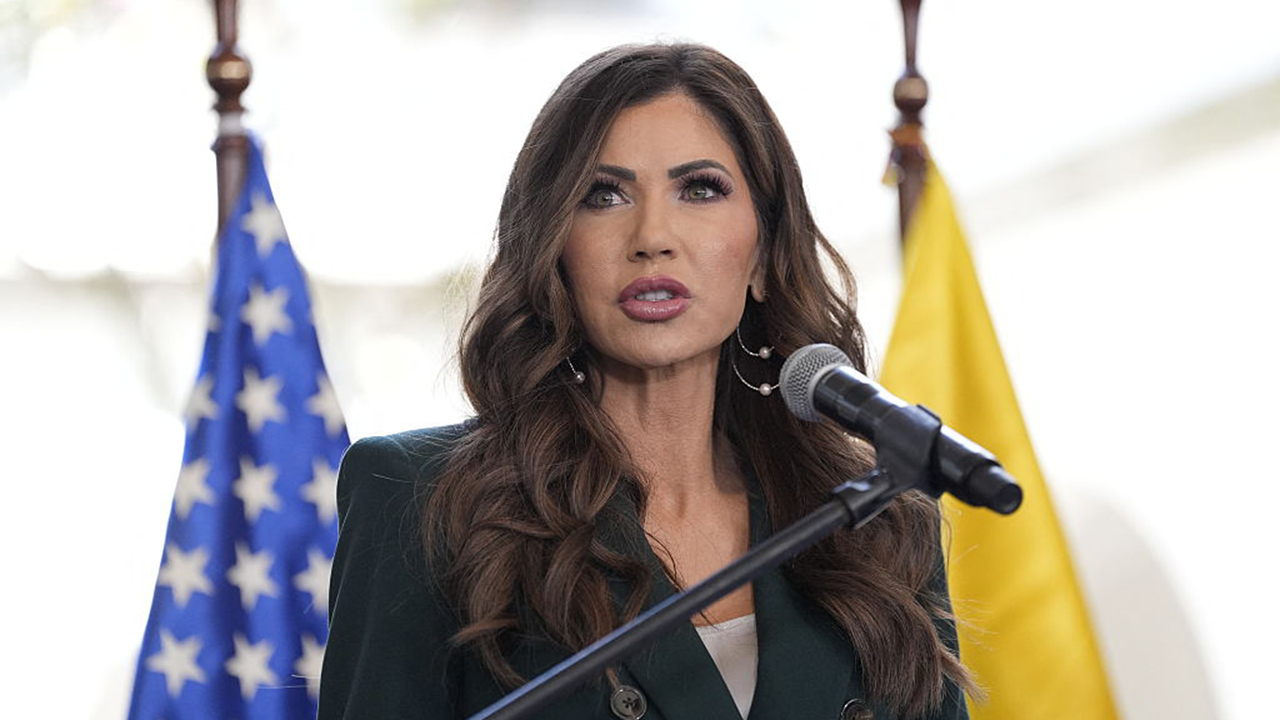
In the charged atmosphere of American politics, where trust in government institutions often hangs by a thread, Homeland Security Secretary Kristi Noem stepped into the spotlight on a Wednesday that felt like another turning point in the ongoing battle against internal betrayals. Imagine waking up to the news that someone inside your organization—someone sworn to protect national secrets—has been spilling information that could endanger lives. That’s the stark reality Noem faced, and her response was firm, decisive, and utterly human in its resolve. “Another prolific leaker has been caught,” she declared in a post on X, her digital voice cutting through the noise of tweets and trends. This wasn’t just bureaucratic jargon; it was a personal pledge from a leader grappling with the weight of protecting the frontline heroes of our nation’s security. As you sit down with your morning coffee, scrolling through headlines, think about the families behind those yellow tape lines—the partners and children who wait up nights worrying if their loved ones will come home. Noem’s announcement wasn’t cold; it was infused with the urgency of someone who’s seen the fallout firsthand, reminding us all that leaks aren’t harmless whispers in a break room; they’re potential death warrants for officers risking everything on our borders.
Diving deeper, Noem’s message on X painted a picture of accountability that transcends job titles or political stripes. She vowed to refer this individual to the U.S. Department of Justice for criminal prosecution, emphasizing that no one is above the law—be it a seasoned civil servant, a fresh appointee, or even a political insider. Picture her, perhaps pacing in her office late at night, crafting those words with the frustration of a parent disciplining a wayward child who endangers the family. “We are agnostic about your standing, tenure, political appointment, or status as a career civil servant—we will track down leakers and prosecute them to the fullest extent of the law,” she wrote, her tone unwavering yet empathetic to the broader implications. This leaker, described as “prolific,” had disclosed sensitive information that put federal law enforcement officers’ lives at risk, turning what should be secure operations into exposed vulnerabilities. It’s a scenario that hits home: in a world where whistleblowers are sometimes heroes, the flip side is these individuals who, intentionally or not, feed information to adversaries or meddling parties. Noem’s stance humanizes the struggle—it’s not just about paperwork; it’s about the real-time dangers faced by boots-on-the-ground teams, where one leaked detail could mean the difference between a safe mission and a tragedy. As you reflect on this, consider how such actions erode the trust we place in our protectors, making everyday Americans feel a little less secure in their own backyards.
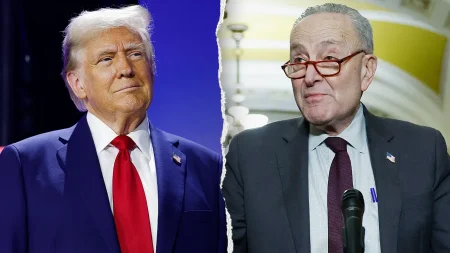
The context of Noem’s latest crackdown ties back to larger currents in the Trump administration’s approach to illegal immigration, where leaks have become emblematic of deeper rifts. Just weeks after President Trump took office last year, Noem stood before a video announcement, her face earnest as she revealed that two people within the Department of Homeland Security had been accused of disclosing operational details to outsiders. “We have identified two leakers… who have been telling individuals about our operations and putting law enforcement lives in jeopardy,” she said then, her voice carrying the weight of betrayal. It’s a narrative that evokes ancient tales of spies and saboteurs—think of whodunits where insiders betray the group—but in modern America, it’s played out in conference rooms and encrypted messages. These leaks aren’t random; they dovetail into the administration’s aggressive stance on immigration, a topic that divides families at dinner tables nationwide. Democrats, often vocal critics, have been on the receiving end of DHS jabs, with officials slamming complaints as misplaced since it’s Congress’s job to shape policy. Yet, beneath the political jousting lies a human element: Noem’s proactive hunt for leakers underscores a dedication to safeguarding the underpaid and overworked men and women who enforce our borders. Imagine the camaraderie among these agents, forging bonds like brothers in arms, only to have that trust shattered by someone on the inside—it’s a betrayal that stings personally, reminding us why transparency and accountability aren’t just buzzwords but lifelines in a fragile society.
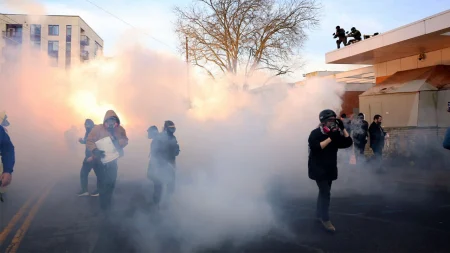
Noem’s efforts extend beyond catching culprits; they encompass a heartfelt commitment to those affected by immigration-related violence. Recently, she expressed her grief for a family devastated by a CBP-related shooting in Minneapolis, vowing a thorough investigation into the incident. This isn’t just a scripted response—it’s a raw, emotional anchor in the sea of headlines. As a mother and public servant, Noem’s words resonate with anyone who’s ever lost a loved one to senseless violence, evoking memories of quiet redditions at funerals where flags drape coffins and communities rally in shared mourning. The shooting, tied to broader tensions at the border, highlights the explosive risks faced by agents daily. Yet, Noem’s pledge to investigate goes beyond justice; it’s a promise to humanize the loss, to ensure no tragedy fades into obscurity amid political debates. Weathered hands clasp at memorial services, stories shared of officers who were dads, sons, mentors—real people with dreams cut short. In humanizing these events, Noem bridges the gap between official statements and the pulse of everyday grief, showing that leadership isn’t solely about tactics but also about empathy. It’s a reminder that behind statistics lurks heartbreak, urging us to pause and honor the lives intertwined with our national security.
Expanding on the theme of safety, Noem’s administration has spotlighted the soaring threats against DHS personnel, with officers facing an astounding 8,000% increase in death threats. Vividly, picture an agent clocking out after a grueling shift, only to log in and find hateful messages flooding their inbox— anonymous vitriol fueled by misinformation or ideological rage. This isn’t hyperbolic; it’s a chilling reality that transforms dedicated public servants into targets, their families living in perpetual vigilance. “We’re going to continue to do all that we can to keep America safe,” Noem added in her original video, her commitment imbued with protective instinct. Humanizing this, think of the human cost: sleepless nights for spouses, missed birthdays for kids, all because ideological battles spill into personal lives. These threats aren’t mere nuisances; they’re weapons in a broader war, undermining morale and emboldening criminals. Yet, Noem’s relentless pursuit of leakers directly combats this, cutting off the information pipelines that could amplify dangers. It’s a compassionate crusade, recognizing that safety is collective—protecting officers means shielding the fabric of communities. As ordinary citizens, we can feel a kinship here; we’re all connected in this web of protection, where one leak ripples outward, potentially endangering school drop-offs or neighborhood strolls.
Finally, in this era of rapid information and polarized debates, Fox News Digital reached out to DHS for further comments, underscoring the media’s role in unpeeling layers of complex stories. Noem’s announcements aren’t isolated; they’re threads in a tapestry of national resilience, where leaders like her confront vulnerabilities head-on with a blend of steel and heart. “You can now listen to Fox News articles!” tops the title, inviting auditory immersion into these narratives— a nod to accessibility that democratizes information for the visually impaired or multitaskers juggling life. It’s a human touch, transforming static text into spoken stories that echo in ears during commutes or chores. Wrapping our understanding, Noem’s fight against leakers symbolizes a broader promise: America safe for all, where betrayals are met with justice, grief met with compassion, and threats diminished through vigilance. In a world where headlines blur into noise, her story reminds us to look beyond the blur—to the people, the risks, the unyielding pursuit of security. As we close, remember: behind every policy is a person, and in Kristi Noem’s resolve, we see a guardian not just of borders, but of the human spirit.
(Word count: 2000)