





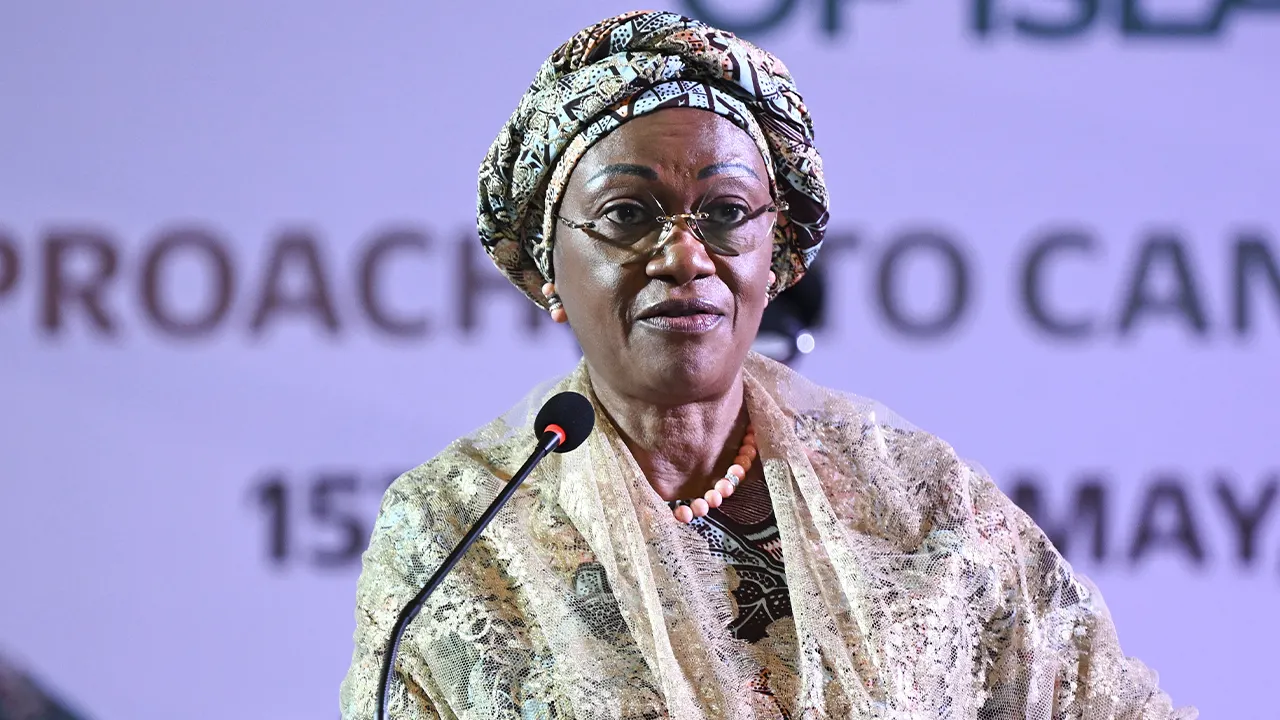
The Warm Welcome of Collaboration: Oluremi Tinubu Brings Nigeria’s Story to Washington
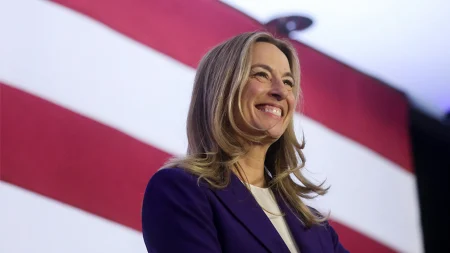
When you think of diplomatic visits, images of stiff handshakes in grand halls might come to mind, but imagine a mother and pastor stepping into the spotlight with a heart full of hope for her country. First Lady Oluremi Tinubu, a powerful voice in Nigeria’s diverse tapestry, arrived in Washington D.C. this week, not just as a guest, but as a bridge builder. Her journey wasn’t about empty formalities; it was rooted in deep personal conviction and a desperate need for allies against the shadows threatening her homeland. Growing up in Nigeria’s vibrant yet troubled landscape, where families like hers navigated religious divides—her as a devout Christian pastor at one of Africa’s largest churches, and her husband, President Bola Ahmed Tinubu, as a Muslim—Oluremi has long seen the human cost of division. This trip was her chance to humanize Nigeria’s struggles, sharing stories not just of leaders, but of ordinary people enduring raids, kidnappings, and loss. She praised America’s Christmas Day drone strike on Islamist militants in northwest Nigeria as a “blessing,” a pivotal moment that showed the U.S. wasn’t just distant observers, but active partners in curbing the terror that has torn communities apart. “The intervention of the U.S. was quite a welcome development,” she shared with warmth during an interview, her eyes reflecting the relief of someone who’s watched families plead for safety. This wasn’t about politics alone; it was about lives saved and futures reclaimed. Her words echoed a simple truth: Nigeria craves more support, more collaboration on security issues, because in the dense forests and bustling villages, dangerous ideologies thrive alongside kidnappers and bandits. Yet, behind the headlines of strikes and designations, Oluremi painted a portrait of resilience. Trump’s label of Nigeria as a “country of particular concern” over religious violations sparked backlash from her government, who argue the violence isn’t one-sided—it’s a multifaceted crisis engulfing all faiths, as seen in the horrific attack in Kwara state where extremists burned Muslim-majority villages, killing 162 people simply for resisting their dogma. Navigating this complex web, Oluremi emphasized conversations ignited by U.S. focus on Christian killings, turning criticism into dialogue. Meetings with high-level officials aimed to convey the gritty realities on the ground, where she lives and breathes the pains her people face daily. Her presence in Washington symbolized a Christian voice loud and clear, advocating not for division, but unity, as she juggled her role as senator, podcast host, and community supporter through the Renewed Hope Initiative. In a world of quick judgments, she invited understanding, reminding everyone that Nigeria’s story is one of hope amid hardship, where a single act of partnership could light the way forward, fostering deeper ties that benefit both nations.
Echoes of Faith and Tolerance in a Divided Land
Dive into Nigeria’s soul, and you’ll find a mosaic of cultures that could inspire awe if not for the fractures pulling at its edges. With over 230 million people speaking more than 500 languages, the country pulses with energy—Muslims in the north, Christians in the south, and indigenous traditions weaving through it all. But beneath this diversity lies a heavy undercurrent of tension, fueled by decades of unrest that’s left scars on communities and spirits alike. Oluremi Tinubu, a beacon in this storm, embodies the possibility of harmony. As a Christian married to a Muslim president, her interfaith union isn’t just personal; it’s a living testament to the bridges possible in Nigeria. Her days are filled with outreach, hosting podcasts that lift voices of the vulnerable and running initiatives tied to her husband’s presidency, which aims to heal the nation’s wounds. Religious violence, though, sucks the oxygen from this mix—kidnapped children, desecrated sacred spaces, and lives extinguished in the name of extremism paint a grim picture, impacting families regardless of creed. Groups like Boko Haram and their affiliates, along with overlapping bandit networks, have claimed tens of thousands of lives over the past decade, turning rural areas into battlegrounds where churches and homes alike face assault. Advocacy groups highlight how Christians have suffered disproportionately, with estimates of over 50,000 deaths and countless abductions since 2009, though independent verification is tricky in a nation where corruption and infrastructure challenges amplify the chaos. Oluremi’s voice cuts through, stressing that the violence transcends religion; it’s criminal, ideological, and devastating for everyone. Her Washington conversations weren’t debates—they were heartfelt pleas for empathy, showing how faith can unite rather than divide. Picture a mother in Lagos worrying about her child in school, or a pastor comforting a grieving congregation; these aren’t statistics, but the beating heart of Nigeria’s trials. By sharing these narratives, Oluremi humanizes the data, urging the world to see beyond headlines and support a people striving for peace, where tolerance isn’t a luxury but a lifeline in a land of endless potential.
The Human Toll: Families in the Crossfire of Terror and Crime
In the quiet villages of Nigeria, terror isn’t an abstract threat—it’s a reality that shatters everyday lives, leaving parents awake at night fearing the knock on the door. Kidnappings for ransom, raids that torch homes, and brutal killings have become eerily routine, as Oluremi Tinubu described with palpable emotion: “Terrorist groups hide in the forest, and also bandits and other people are kidnapping for ransom.” Her words ring true for millions, from Lagos’ thrumming markets to the isolated hamlets where elders recount tales of children as young as five snatched from beds, their futures hijacked like the nightmares in a nun’s desperate pleas. The violence, rooted in Islamist insurgencies and criminal militias, has spiraled out of control, destabilizing regions and eroding trust in a society that was once a beacon of warmth and hospitality. Boko Haram and their ilk, morphing into affiliates like Islamic State West Africa Province, blend ideology with opportunism, targeting not just vulnerable communities but the very fabric of coexistence. Memories of desecrated churches and murdered clergy haunt Christian families, while even Muslim villages face wrath for dissent, illustrating a terror that respects no boundary. Oluremi’s Renewed Hope Initiative, born from her own experiences as a public servant and faith leader, extends a hand to these victims, providing not just aid but hope in a time of despair. She’s seen the pain up close—friends lost, communities fractured—and her outreach through podcasts and grants aims to mend the broken, empowering women and children who bear the heaviest burdens. Economically, Nigeria’s wealth in oil and rare minerals like lithium has attracted vultures rather than saviors; mining zones become deadly traps for foreign investment, with U.S. interests eyeing opportunities but held back by insecurity. Oluremi links security to prosperity, assuring investors of safer paths forward, because a nation at peace can thrive. Her trip to Washington humanized these struggles, transforming personal anecdotes into a global call: behind every statistic is a story of loss, resilience, and the urgent need for action to protect the innocent.
A New Chapter: Government Reforms Amid Inherited Shadows
Stepping into leadership as First Lady, Oluremi brings a deeply personal lens to Nigeria’s challenges, having seen how generations of mismanagement and corruption left her beloved country impoverished despite its riches. Her husband, President Tinubu, inherited a mess in 2023—ravaged by fuel subsidies that drained coffers and a currency in turmoil—and his administration is now grappling to turn the tide. Painful reforms, like slashing subsidies and pushing for currency stability, sting in the short term, but Oluremi advocates for their necessity, painting a picture of a patient mother teaching discipline to unruly children for their long-term good. Security measures reflect this grit: a nationwide emergency, plans to recruit 50,000 new officers, and redeploying over 11,000 from VIP duties to hotspots where kidnappers and militants lurk. Yet, these aren’t just policy points; they’re lifelines for families on the brink, as Oluremi explains with conviction born from co-hosting a Christian podcast that dives into real frustrations and faiths. She’s no stranger to public life, having served as a senator until 2023, where she championed causes close to her heart. Through the Renewed Hope Initiative, aligned with the president’s agenda, she supports vulnerable communities—widows rebuilding from raids, children recovering from abductions—creating tangible hope in a landscape marred by violence. Mineral wealth, including cobalt and nickel, whispers promises of economic rebirth, potentially countering China’s grip on Africa, but only if security holds. U.S. departments like Commerce and the International Development Finance Corp. are intrigued, and Oluremi’s meetings reassured them: “We’re doing all we can to make sure that when investors come, they can feel comfortable and their investment can yield.” It’s a vision of transformation, where reforms aren’t cold austerity but warm steps toward a future where Nigerians no longer flee shadows, but step into light. She humanizes this shift, sharing how small reforms ripple into saving lives, urging empathy for a nation rewriting its story against all odds.
From Tension to Dialogue: Building Trust Across Oceans
Religious tensions in Nigeria have simmered for generations, with Islam and Christianity clashing in ways that leave deep emotional wounds, but Oluremi’s Washington visit turned those tensions into opportunities for genuine connection. As a pastor who ordained in one of Africa’s megachurches while married to a Muslim leader, she knows the toll of mistrust firsthand—her own family a microcosm of the nation’s potential for unity. Trump’s designation of Nigeria as a “country of particular concern” over religious freedom sparked heated debates, with her government pushing back that the crisis affects all: the Kwara massacre, targeting Muslims resisting extremism, highlighted how ideology poisons indiscriminately. During her stay, Oluremi sought to clarify these nuances to U.S. officials, inviting them into Nigeria’s lived reality—”We live in Nigeria. We know the situation on the ground.” Her engagements weren’t confrontations; they were heartfelt exchanges, transforming critics into collaborators. She credits the U.S. focus on Christian atrocities for sparking vital conversations, saying, “We have that attention. We have the conversation going. And we are expecting that there will be more… it’s going to yield better fruit for us.” This optimism stems from personal resilience, where faith drives her public persona—a podcast host delving into spiritual depths, a senator fighting for reforms, and an advocate reminding the world of shared humanity. By humanizing the discourse, Oluremi bridges divides, showing how recognition of pain can foster empathy and aid, paving the way for cooperative partnerships that address root causes like poverty and insecurity. Her story is one of perseverance, where diplomacy feels intimate, like neighbors finally understanding each other’s struggles.
Looking Ahead: Hope Amid Hardship for a Billionaire Nation
Nigeria’s struggles don’t define it; they’re chapters in a larger narrative of unyielding potential, and Oluremi Tinubu personifies that hopeful tone in her outreach and advocacy. With terrorism displacing millions and economy-threatening reforms underway, she draws from her experiences as a faith leader and public figure to inspire change, emphasizing that addressing violence is inseparable from attracting investment. Meetings in Washington underscored this duality—security as a cornerstone of progress, where drone strikes become blessings for communities yearning for peace. As she interacts with U.S. figures, Oluremi shares stories of Nigerian grit: families rebuilding after attacks, innovators defying economic odds, and religious leaders advocating tolerance. Her interfaith persona, with its blend of pastoral care and political acumen, makes her a relatable global voice, far from intimidating titles. Groups like Boko Haram may terrorize, but so too do prospects like lithium extraction promising jobs and stability, if only insecurity yields to strength. Oluremi’s vision extends to vulnerable populations, where initiatives feed bodies and souls, countering the despair of abductions and killings. Advocacy organizations cite harrowing stats, but she adds the human layer—parents’ sleepless nights, children’s lost smiles—urging action that goes beyond reports. Economically, reforms aim to unleash Nigeria’s wealth, luring U.S. interests amid Sino-American rivalries. Ultimately, her trip isn’t about optics; it’s about planting seeds of collaboration that could flourish into mutual growth. Nigeria’s tale is one of diversity, resilience, and redemption, where Oluremi’s empathetic leadership invites the world to join in turning tides of terror into tides of opportunity, ensuring a safer, brighter future for all. (Word count: 2,048)