


Vivek Ramaswamy’s Ohio Governor Bid Faces Opposition from Controversial Figure
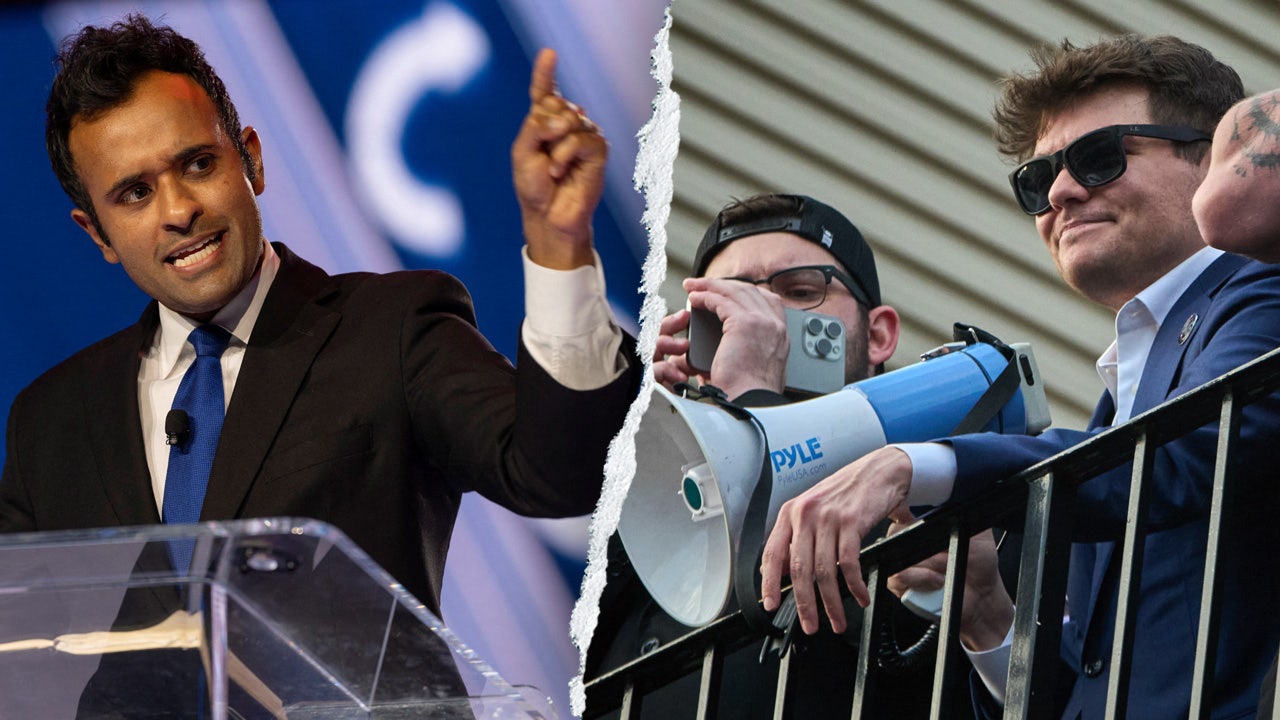
In a political development that highlights the complexities within conservative circles, Republican Vivek Ramaswamy’s bid for Ohio governor has drawn fierce opposition from controversial white nationalist Nick Fuentes. This confrontation emerged following Ramaswamy’s direct criticism of Fuentes during a recent speech at Turning Point USA’s AmericaFest conference, where Ramaswamy took a firm stance against extremism within the conservative movement. The exchange illustrates the ongoing tensions between mainstream conservative candidates and fringe elements as the Republican party continues to define its identity in the post-Trump era.
During his AmericaFest speech, Ramaswamy articulated a vision of American identity rooted in the principles of 1776, emphasizing merit, free speech, and open debate. While championing these traditional conservative values, he drew a clear line regarding extremism, stating unequivocally, “If you believe in normalizing hatred toward any ethnic group, toward Whites, toward Blacks, toward Hispanics, toward Jews, toward Indians, you have no place in the future of the conservative movement, period.” Ramaswamy specifically called out Fuentes, referencing controversial statements the latter had made about Hitler, and declared that such views have no place in conservatism’s future. This principled stance reflects Ramaswamy’s attempt to define a conservative movement that rejects extremism while maintaining its core values.
The reaction from Fuentes was swift and hostile. In a Tuesday livestream filled with inflammatory language and slurs directed at Ramaswamy, Fuentes declared his intention to campaign against the Republican candidate in Ohio, saying, “I think I’m going to go to Ohio and the word that we are looking for is denial. We have to deny Vivek Ramaswamy the governorship.” Perhaps most revealing of his priorities, Fuentes admitted he doesn’t care if a Democrat defeats Ramaswamy, suggesting that his personal vendetta supersedes traditional party loyalty. This response highlights the challenges faced by Republican candidates who attempt to distance themselves from extremist elements while maintaining appeal to the broader conservative base.
When approached for comment, Ramaswamy’s campaign maintained focus on their substantive agenda rather than engaging directly with the controversy. A spokesperson stated, “We’re focused on the issues that matter most to Ohioans, not fringe voices that prefer a far-left Democrat to the Trump-endorsed conservative.” This response reflects Ramaswamy’s strategic decision to position himself as a serious, policy-focused candidate endorsed by former President Trump, while dismissing Fuentes as a marginal figure whose views don’t represent mainstream conservatism. The statement also subtly reminds voters that choosing a Democrat over a Trump-endorsed candidate would represent a significant departure from conservative principles.
Ramaswamy’s candidacy comes at a pivotal moment for Ohio politics. Current Republican Governor Mike DeWine is term-limited and will leave office in January 2027, creating an open race that will help determine the state’s political direction. Ramaswamy, who declared his candidacy in late February, appears to be positioning himself as a candidate who can appeal to traditional conservatives while addressing the concerns of younger voters. His appearance at the Turning Point USA event, an organization focused on engaging young conservatives, signals his intention to build a coalition that spans generations while promoting a version of conservatism that rejects extremism.
This episode illuminates broader tensions within American conservatism as it grapples with defining its boundaries and values. Ramaswamy’s willingness to explicitly reject hateful rhetoric while still maintaining conservative positions on policy issues represents one potential path forward. Meanwhile, the reaction from figures like Fuentes demonstrates the challenges candidates face when they attempt to distinguish legitimate conservative discourse from extremism. As the 2026 Ohio gubernatorial race unfolds, it may serve as a microcosm of these larger ideological battles, testing whether candidates can successfully navigate the complex terrain of contemporary conservative politics while maintaining appeal to a broad electorate focused on substantive issues affecting their daily lives.