






The Growing Concern About Kids and Social Media
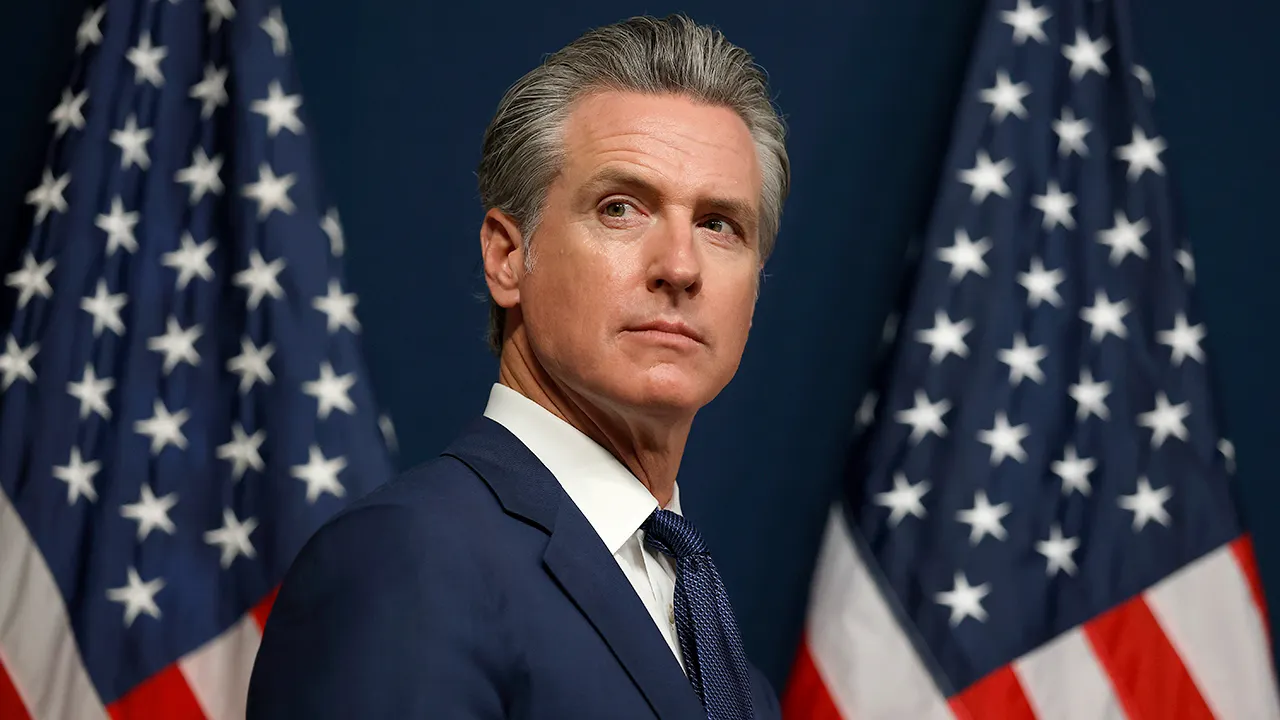
In today’s fast-paced world, where screens dominate our daily lives, California Governor Gavin Newsom has stepped into a national conversation that’s become increasingly urgent: protecting children from the potential harms of social media. During a news conference focused on public transportation in the Bay Area, Newsom didn’t just talk policy—he shared a heartfelt, relatable story from his own life as a father. Imagine this: a birthday party filled with joy and laughter, but instead of kids running around, playing games, or chatting face-to-face, seven teenagers were huddled together, each glued to their cellphones. “I literally stopped everybody,” Newsom recounted to reporters, his voice conveying a mix of frustration and genuine concern. It’s a scene all too familiar for many parents in the digital age. As he described it, these young people, friends celebrating a milestone, weren’t interacting—they were lost in their devices, scrolling through endless feeds. This personal anecdote wasn’t just a throwaway tale; it underscored why Newsom believes it’s “long overdue” for society to address social media’s impact on kids under 16. He’s not alone in noticing how technology, meant to connect us, can paradoxically isolate and distract the very people we’re trying to protect. Think about your own experiences: how many times have you seen a family dinner interrupted by a ping from a smartphone, or kids at playgrounds more engrossed in TikTok than tag? Newsom’s words paint a vivid picture of a generation at risk—kids who aren’t building real relationships, leaning on virtual ones instead. This isn’t about banning technology outright; it’s about ensuring that platforms don’t exploit or overwhelm young minds before they’re equipped to handle the complexities. As a dad, Newsom shared, he sees the anxiety, stress, and isolation creeping in early, turning what should be carefree childhoods into something more pressured. His intervention that day at the party wasn’t just parental advice; it was a wake-up call for action. And in sharing it publicly, he humanized the debate, making it clear that this is about real families, real kids, not just abstract policy points. Newsom’s openness about his own home life invites us all to reflect: are we fostering environments where children can thrive offline, or are we letting digital overload define their worlds? His call for change resonates deeply, tapping into the collective worry that parents across the country feel. It’s a reminder that leadership often starts with vulnerability, with a father admitting his concerns in hopes of sparking broader change.
Legislative Efforts in California to Set Age Limits
Building on this personal plea, Newsom expressed gratitude for the bipartisan momentum in the California State Legislature, where seven lawmakers recently introduced a bill aimed at establishing a minimum age for opening or maintaining social media accounts. This isn’t a radical idea; it’s an extension of existing regulations that already require platforms to disclose terms of service, outline threat reporting procedures, and maintain contacts for law enforcement. The bill, while still unfolding, represents a proactive step in a state that’s often at the forefront of tech innovation—and, unfortunately, tech-related challenges. Newsom praised the legislators for “taking this very seriously,” highlighting how the lack of age restrictions has allowed unfettered access for children who may not fully grasp the implications of online interactions. Picture a world where platforms proactively verify ages, much like how movie theaters check IDs for R-rated films. This bill doesn’t specify a hard cutoff yet, leaving room for debate, but it’s clear that the intent is to create safeguards against exploitation, misinformation, and excessive exposure to algorithms designed to keep users hooked. As a parent myself, I can imagine the relief some families would feel if such measures were in place—knowing that children’s first encounters with social media aren’t shaped by predatory influences or addictive loops. Newsom’s endorsement sends a strong message to companies like Meta, TikTok, and X (formerly Twitter) that California isn’t just talking; it’s pushing for accountability. The proposal also ties into broader trends, where states are increasingly treating tech platforms as utilities with public responsibilities. Yet, it’s not without challenges—opponents argue it could infringe on free speech or parental rights, but supporters, like Newsom, counter that protecting kids is paramount. This legislative push feels like a natural progression of public outrage over data scandals and mental health crises tied to social media. For instance, studies have shown links between excessive screen time and issues like depression or sleep disturbances in teens, making the bill not just timely but essential. Newsom’s involvement elevates the conversation, transforming it from Capitol Hill debates into a statewide priority that could influence national policy. It’s heartening to see bipartisanship on this issue, proving that when it comes to kids’ well-being, ideological divides can narrow.
International Dialogue Explores Global Solutions
As the discussion heats up in California, Newsom isn’t confining his perspectives to state lines—he’s looking outward, drawing inspiration from global leaders grappling with similar dilemmas. Recently, while attending the Munich Security Conference and the World Economic Forum in Switzerland, he engaged directly with international allies, including Spain’s Prime Minister Sánchez and Australia’s Vice Premier. These meetings weren’t casual chats; they were purposeful exchanges about the transnational nature of social media’s challenges. Newsom recounted conversations where he and Sánchez discussed mutual efforts to implement protective measures, recognizing that kids’ exposure to online harms doesn’t respect borders. In a world where a viral post can circulate globally in seconds, these dialogues underscore the need for coordinated approaches. Australia, in particular, stands out as a model with its “age-gating” rules, which Newsom referenced as a blueprint for California’s aspirations. Imagine policymakers from different continents sharing stories of their countries’ struggles—tales of cyberbullying, privacy breaches, and the addictive pull of algorithms that promptNewsom to say, “It’s something that I’m very grateful that we are debating and pursuing at the state level.” This international lens humanizes the issue further, showing it’s not just an American problem but a human one. Parents everywhere, from Sydney to Madrid, are facing similar fears: their children dipping too early into digital waters without life jackets. By aligning with these leaders, Newsom positions California as part of a global movement, potentially pressuring U.S. federal action. These summits also highlight the economic stakes—platforms are big business, worth billions, but at what cost to younger generations? Newsom’s trips abroad weren’t about tourism; they were mission-driven, reinforcing his belief that solutions must transcend local politics. It’s inspiring to think of this as a united front, where countries learn from each other to shield the vulnerable. Yet, it also raises questions about sovereignty—can nations enforce standards when tech giants operate internationally? Newsom’s diplomatic efforts suggest optimism is possible through collaboration, turning isolated concerns into collective resolve. As we navigate this interconnected landscape, his experiences remind us that leadership isn’t just about homegrown ideas; it’s about adapting the best from around the world to protect our kids.
Pushing for Age Restrictions and Accountability
Digging deeper into his vision, Newsom has been candid about wanting California to mirror Australia’s approach with state-level legislation that restricts access to online platforms for individuals under 16. This confirmation came in response to inquiries from Politico, where Newsom expressed support for “age-gating rules” that could serve as a barrier against inappropriate content and predatory behavior. Think of it like installing gates on a playground—necessary to keep curious kids from wandering into danger zones. His spokesperson, Tara Gallegos, elaborated that these measures are modeled after Australia’s successful implementation, which has shown effectiveness in curbing exploitation while allowing older teens to engage responsibly. This isn’t hypothetical; Newsom’s stance is grounded in real-world precedents, proving that age restrictions can coexist with innovation and free expression. As a governor and father, he sees this as a parental imperative, aligning with the legislative bill to create a safer ecosystem for children. But what does this mean day-to-day? For families, it could mean more peace of mind, knowing that platforms aren’t targeting the impressionable with ads or algorithms that exploit vulnerabilities. Yet, critics worry about enforcement challenges—how do you verify identities in an era of deepfakes and anonymous accounts? Newsom’s push acknowledges these hurdles, advocating for robust systems that balance security with user convenience. It’s a bold stand, especially in a state synonymous with Silicon Valley’s creativity, signaling that even tech hubs recognize the need for boundaries. His approach also ties into the broader FOX News poll revealing that nearly two-thirds of American voters support banning social media for kids under 16, reflecting widespread public appetite for change. This alignment between leadership endorsements and voter sentiment could galvanize more action, transforming abstract debates into enforceable policies. Newsom’s resolve humanizes the fight—it’s about empowering parents like him to guide their children’s digital journeys responsibly. In the end, sieving out risks before they intensify could foster a healthier generation, one where screens enhance lives rather than define them.
Taking Shots at Detractors and Sharing Online
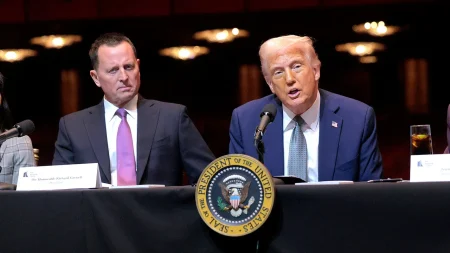
Newsom didn’t stop at conferences or bills—he amplified his message on social media, where he directly challenged naysayers and highlighted the stakes. In a pointed post on Saturday, he wrote, “Bad news for child predators: they’ll soon lose access to kids on the platforms they use to groom them,” while throwing shade at former President Donald Trump, implying a political jab at those who might resist such reforms. This post wasn’t just provocative; it was a strategic way to humanize the urgency, framing child safety as a battle against exploitation that transcends partisanship. By naming predators, Newsom made the threat tangible, reminding followers that platforms can be tools for harm, not just fun. As a public figure with a platform himself, he’s using social media to counter the very issues he’s addressing—a meta approach that underscores the irony. His words evoke the fear every parent harbors: that online spaces, meant for connection, can become hunting grounds. FOX News Digital reached out for comment, but Newsom’s office and the White House remained silent, leaving his post to stand on its own merits. This lack of response from federal quarters only highlights the state-level leadership gap, where Newsom is filling the void. In sharing such sentiments publicly, he invites everyday Americans to join the conversation, normalizing the idea that protecting kids is a non-negotiable duty. His tweet resonated with the sentiment of the FOX News poll, showing voter alignment on this front. It’s a reminder that social media can be a force for good when wielded by advocates like Newsom, sparking debates that influence policy. Yet, it also exposes the divide: while he champions restrictions, others might see it as overreach. By keeping it personal and punchy, Newsom humanizes the advocacy, making it relatable for anyone who’s worried about a sibling or friend’s online habits. This online amplification proves that the fight for safer digital spaces is just as much about public narrative as it is about laws—turning passive concern into active engagement.
A Parental Cry for Help in a Stressful Era
At its core, Newsom’s advocacy is a heartfelt plea from a father who sees the toll on today’s youth. “As a parent, we need help,” he declared during the news conference, lamenting a generation that’s “never been more anxious, less free, more stressed.” This isn’t just rhetoric; it’s a reflection of mounting evidence linking social media to mental health struggles in adolescents. Studies often point to how constant exposure to curated lives and cyberbullying amplifies feelings of inadequacy, leading to higher rates of anxiety and depression. By sharing his frustrations, Newsom invites empathy, reminding us that behind every policy push is a parent grappling with the same dilemmas. Imagine the weight on families: kids who should be exploring the world are instead battling virtual pressures, their freedom curtailed by invisible chains of notifications and likes. His call for intervention—through legislation, international cooperation, and consumer pressure—positions parents as allies in reform rather than powerless bystanders. This humanizes the issue, shifting it from elite debates to kitchen table realities. The recent FOX News poll, with nearly two-thirds of voters approving bans for under-16s, validates Newsom’s instincts, showing he’s in sync with public sentiment. As we look ahead, implementing these changes could redefine childhood, fostering environments where kids interact authentically, offline and on. Newsom’s leadership serves as a beacon, proving that one father’s story can inspire statewide action—and perhaps nationwide. In a world of endless scrolling, his words urge balance: let’s build a future where technology supports well-being, not the other way around. It’s a compassionate vision, one that prioritizes our children’s happiness over unfettered corporate profit. No one should face this alone—Newsom’s message is clear: together, we can heal this digital divide, ensuring the next generation thrives unshackled by screens. And for those tuning in, the ability to listen to FOX News articles makes this conversation even more accessible, bringing voices like Newsom’s directly to your ears as you navigate life’s demands. In the end, it’s about reclaiming childhood in an uncertain digital landscape.