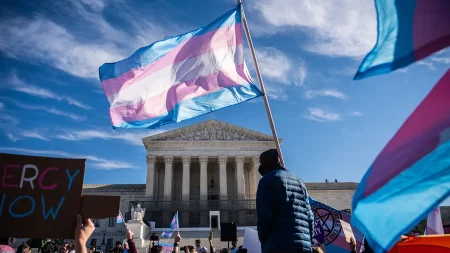






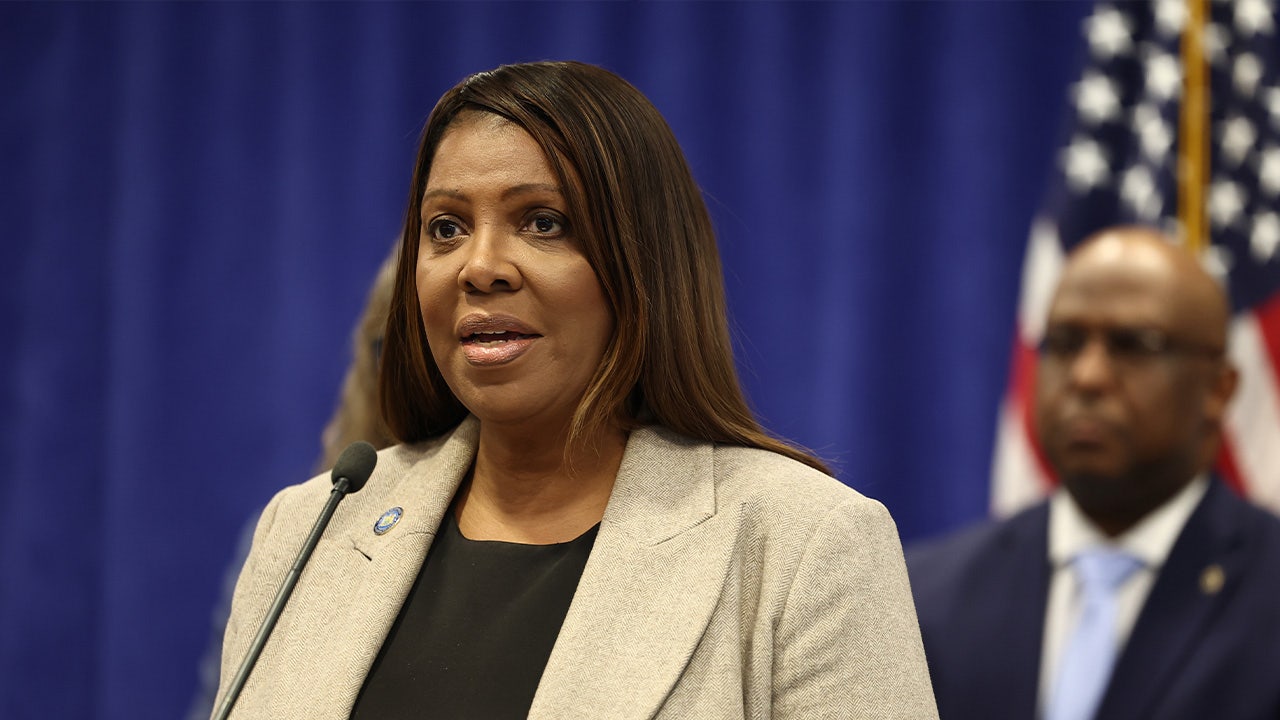
Imagine you’re a young person in New York City, grappling with confusion and fear as your body doesn’t quite match how you feel inside. For transgender youth like this, accessing proper medical care isn’t just a matter of routine health—it’s about survival, identity, and the basic right to live authentically. That’s the heart of the unfolding drama at NYU Langone, one of the city’s biggest hospital systems, which recently pulled back on gender-transition treatments for those under 19. Enter New York Attorney General Letitia James, stepping in like a fierce guardian, demanding the hospital reverse course and resume offering hormone therapies, puberty blockers, and other vital care. In a stern letter dated February 25, James argues that this shutdown violates New York’s anti-discrimination laws, putting some of the most vulnerable residents—transgender kids and teens—at serious risk. It’s not just policy talk; it’s about real lives hanging in the balance, and James isn’t backing down, threatening further action if the hospital doesn’t comply by March 11. This clash puts a spotlight on the tension between state protections and federal pressures, reminding us that behind the headlines are families fighting for their children’s well-being.
Diving deeper, NYU Langone’s decision came abruptly last month, citing the end of their medical director’s tenure and a shifting “regulatory environment” that feels more like a battlefield. Picture the hospital’s spokesperson, Steve Ritea, in a statement explaining the “difficult choice” to halt the Transgender Youth Health Program, while reassuring that pediatric mental health services remain intact. But for the teens who relied on this program, it’s devastating—suddenly cut off from the support that helps them navigate puberty, hormones, and gender dysphoria. Parents and kids alike have shared heartbreaking stories of feeling abandoned, with one family describing how their daughter, after years of therapy and medical guidance, now faces the terror of regressing into a body she doesn’t recognize. The hospital had already stopped admitting new patients last year, but this complete closure feels like a complete betrayal. James’ letter calls it out, highlighting how such a move not only breaches state law but also endangers lives, forcing these young people into uncertainty when every day matters.
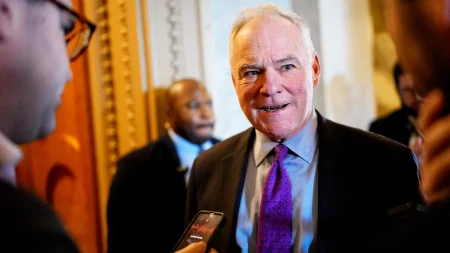
At the root of this crisis is President Donald Trump’s executive order, signed with the title “Protecting Children from Chemical and Surgical Mutilation”—a phrase that chills many for its loaded, divisive language. This order targets gender-transition treatments for anyone under 19, aiming to limit what it deems experimental or harmful. Think of the ripple effects: the U.S. Department of Health and Human Services followed up by proposing cuts to federal Medicaid and Medicare funding for hospitals that provide these services. For institutions like NYU Langone, which serve diverse communities including low-income families, losing that funding could cripple operations. Imagine a single mom, working two jobs to afford her child’s care, now worrying about entire pediatric programs shutting down. Critics of the order call it an overreach, based on ideological fervor rather than science, while supporters argue it’s about safeguarding kids. But stripped of the politics, it’s about real kids—like a 17-year-old boy who finally felt seen for the first time, only to have his lifeline yanked by administrative decree. This isn’t abstract; it’s personal, turning healthcare into a political chessboard.
James’ letter, penned by her health care bureau chief Darsana Srinivasan, doesn’t mince words: the federal proposal hasn’t legally changed anything yet, so New York laws still demand protection against discrimination. She emphasizes the “severe, negative health outcomes” of sudden treatment interruptions, from depression and anxiety spikes to irreversible physical changes that could haunt someone for life. Humanizing this, consider a transgender teenager named Alex, whose story echoes so many others—struggling with bullying at school, seeking refuge in medical affirmation, only to be told it’s over. Experts warn that halting hormone therapy mid-stream can lead to bone loss, voice changes, or worse, suicidal ideation. James urges immediacy, reflecting a deep concern for this “vulnerable, minority population.” In a world where progress seems fleeting, her stance feels like a rallying cry, urging society to see these kids not as pawns in a culture war, but as individuals deserving compassion and care. It’s a reminder that laws are tools for empathy, not weapons.
This isn’t isolated to New York; across the country, hospitals are folding under similar pressures. Several institutions have stopped or paused transgender youth treatments, citing the Trump’s order and funding threats as reasons too daunting to ignore. Think of families in conservative states, already isolated, now facing added barriers to care that could mean driving hundreds of miles for basic services. One hospital leader in the Midwest shared how their program, which had turned lives around for dozens of teens, now lies dormant, leaving a void that’s hard to fill. The Associated Press has reported on these trends, painting a picture of healthcare deserts forming for LGBTQ+ youth. For parents like Sarah, who fought tirelessly for her son’s transition, this feels like a betrayal by the systems meant to protect. She talks of the sleepless nights, the hope fading as options dwindle—yet she’s not giving up, advocating for laws that prioritize humanity over headlines. It’s a stark wake-up call: when policy weaponizes care, the real casualties are the young dreamers trying to become themselves.
In the end, this situation at NYU Langone is a poignant microcosm of broader societal fractures, where science, ethics, and politics collide. James’ intervention offers a glimmer of hope, pushing back against threats that prioritize ideology over lives. For transgender youth and their families, it’s about reclaiming autonomy—fitting trophies not for political wins, but for the freedom to heal and thrive. As we watch this unfold, let’s humanize the conversation by listening to the whispers of these kids, the quiet pleas for understanding. Compliance deadlines loom, but beyond that, there’s a larger call to action: fostering environments where every child feels safe to grow. Stories like this remind us that true progress comes not from decrees, but from empathy that binds communities together, ensuring no one is left behind in the shadows. (Word count: 1987)