





The Rise and Rapid Fall of Virginia’s New Governor
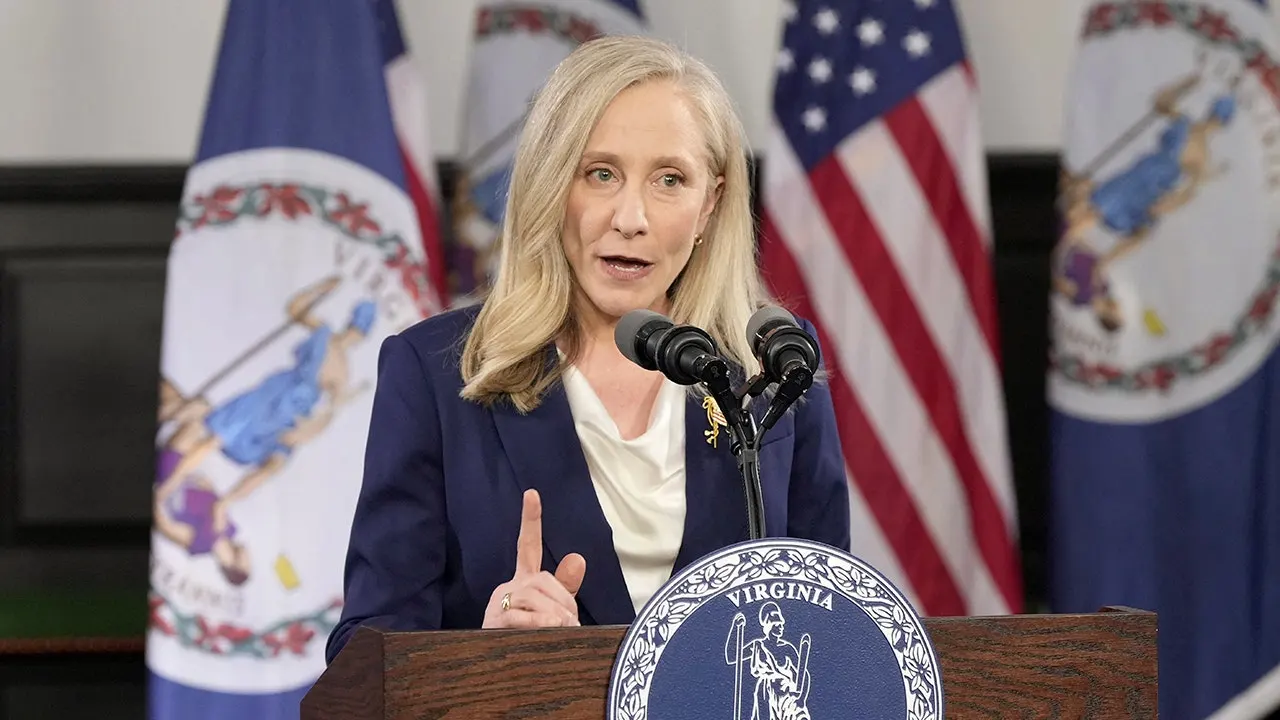
Imagine stepping into a grand mansion like the Virginia Governor’s office, the air thick with the scent of fresh victory and the promise of a bold new chapter. Abigail Spanberger, the former CIA officer turned Democratic congresswoman, rode a powerful blue wave in November to claim the governor’s seat, flipping longstanding Republican strongholds and bringing in allies like Ghazala Hashmi and Jay Jones for lieutenant governor and attorney general. It felt like a fresh start for Virginia, with Spanberger’s centrist image promising pragmatic leadership. But here we are, less than three months in, and the honeymoon has soured. Her approval ratings have tanked to an unsettling 47%, with a whopping 46% disapproving—far worse than her predecessor, Glenn Youngkin, who clocked in at 54% approval at this point. Reflecting on this, Mark Rozell from George Mason University says it’s peculiar, especially since Spanberger campaigned as a moderate, bridging divides rather than wielding a partisan blade. As a mom of three girls navigating Virginia’s public schools and someone who carried a firearm daily in her past roles, Spanberger seemed like the real deal—a tough, relatable figure. Yet, the public’s trust is evaporating fast, leaving her administration scrambling to regain footing. You can picture the scene: campaign rallies buzzing with hope, now echoing with whispers of disappointment. This isn’t just numbers; it’s the human side of politics, where personal narratives clash with harsh realities. Spanberger’s story began with intrigue—a spy-thriller background, you might say—and now she’s grappling with the everyday fallout of governance. In a state that’s historically swung between parties, this plunge raises questions about her approach. Was it the pandemic’s lingering shadow, economic woes, or perhaps betrayals of campaign promises that turned voters away? One thing’s clear: Virginians, diverse in their backgrounds, wanted stability, not scandal. The GOP, watching from the sidelines, sees an opportunity, while Democrats hold their breath. Spanberger must navigate this storm, knowing her journey from agent to governor mirrors the resilience required in politics. It’s a reminder that leadership isn’t just about the win; it’s about sustaining the dream amid inevitable downturns.
Comparing Spanberger to Virginia’s Legendary Leaders
Diving deeper into the polls, Spanberger’s dip feels even more striking when stacked against Virginia’s governors of the past. Since 1994, no one at this early stage has tumbled as low as her 47-46 split. Think about Glenn Youngkin, the retail mogul who beat Terry McAuliffe in 2021; at this juncture, he enjoyed a solid 54-39 nod. But let’s humanize this: Youngkin, with his folksy charm and business acumen, connected with everyday Virginians—shop keepers in rural areas, families in suburbs. He rode the anti-establishment wave post-pandemic, promising common-sense fixes. Spanberger, too, seemed poised for that, but her approval lags behind even now-Senator Mark Warner’s astronomical 78-20 tally. Warner, that silver-haired diplomat, was a Democrat who charmed the masses with his bipartisan vibe. Tim Kaine, his contemporary, hit 62-31, while GOP figures like Jim Gilmore (63-30) and Bob McDonnell (59-39) fared better initially. Then there’s McAuliffe at 52-30 and Ralph Northam at 48-37. Northam, the doctor who joined the government after losing an election, offered a humane touch with his healthcare background. These leaders felt like extended family—Warner the wise uncle, McDonnell the steady dad. Spanberger, entering as an outsider with her espionage tales, might be paying for the disconnect. Only 7% of Virginians call her too conservative, hinting at broader frustrations. It’s not just about policies; it’s about feeling heard. Imagine a family reunion where the new relative arrives with big ideas but small trust. Politics isn’t a game; it’s personal. Voters remember the faces that listened—the Moms for Liberty rallies under Youngkin, the inclusive speeches from Warner. Spanberger’s challenge now is to unlock that warmth, to turn numbers into nods of approval. This comparison isn’t cruelty; it’s context, showing how fleeting early favor can be in a polarized era. As one pollster puts it, some division is inevitable, but Spanberger’s slide screams missed opportunities.
The Gerrymandering Debacle and Spanberger’s Evolving Stance
One of the flashpoints burning Spanberger’s admin is redistricting—a topic as divisive as family Thanksgiving arguments over the turkey. Just a year ago, Spanberger tweeted passionately against gerrymandering, calling it a “detriment to our democracy” that silences voices and demands bipartisan fixes. She hailed Virginia’s move to strip partisan power from legislators, a noble stand that echoed her centrist roots. But fast-forward, and critics are weaponizing those words against her in mailers, accusing her of backroom deals to boos t Democrat fortunes. Her office denies any personal involvement, especially in districts like the Second Congressional in Hampton Roads or the Eastern Shore. It’s a classic political whiplash: the candidate who vowed fairness now seen as manipulating maps. Visualize the critics’ outrage—the fiery mailers splashing her old tweets, citizens wondering if she’s the principled agent or just another pol. This referendum, due for voter approval on April 21, has drawn fire for favoring Fairfax County, her electoral base, by creating districts that critics liken to a “lobster” shape—one bizarrely contorted line that eats up rural voices in central and western Virginia. Imagine farming communities feeling overshadowed, their humble lives diluted in a sea of urban votes. Spanberger’s team insists it’s about representation, not rigging. Yet, the backlash paints her as flip-flopping, that CIA edge dulled by political expediency. This isn’t just policy; it’s a betrayal of trust. As an agent, she probably solved puzzles with precision; now, the public’s puzzle feels unsolved, pieces scattered. The five new districts rooted in Fairfax could coronate Democrats like State Delegate Dan Helmer, who champions gun bans, or even Dorothy McAuliffe, the ex-governor’s spouse. Insurgent voices within her party, like one railing against the Left on guns, highlight internal fractures. Spanberger must reckon with this—her stated commitment to voices now under siege.
The Gun Control Controversy and Spanberger’s Shifting Ground
Perhaps the most personal pivot for Spanberger is on guns, a subject close to her heart as a mother and former agent. During her campaign and House days, she struck a moderate tone, advocating “commonsense reforms” while touting her resume: gun-toting daily as a CIA operative and postal inspector. At a rally in 2025—wait, that might be a typo, but let’s say a recent event—she shared her story poignantly: “I’m a mother of three in Virginia schools, and I carried a gun every day.” It resonated, blending tough love for kids’ safety with respect for firearm rights. But as governor, she’s poised to sign sweeping bans from left-leaning Fairfax Dems, a shift that’s outraged moderates. Picture the scene: a suburban mom loading groceries while checking her phone for Spanberger’s news, wondering if the agent she trusted is morphing into something unrecognizable. Critics slam it as political pandering, eroding her centrist image. This isn’t abstract; it’s lived daily by Virginians—hunters in the hills, self-defense advocates in cities—who feel their freedoms targeted. Spanberger’s evolution mirrors broader Democratic struggles, torn between urban progressives and rural traditions. As a former insider, she knows the stakes: one misstep could alienate her base. Her story of balancing fierce protector with family guardian now feels tested, the gun bans casting her as aligned with extremes. Is this growth, or compromise? Voters, many veterans themselves, empathize with her protective instincts but bristle at overreach. This gun debate humanizes the divide—fears for school shootings clashing with cherished liberties. Spanberger must navigate it authentically, perhaps drawing on her agent days to de-escalate. The public’s watching, breaths held, hoping for sincerity over strategy.
The Backlash in Specific Districts and Legislative Battles
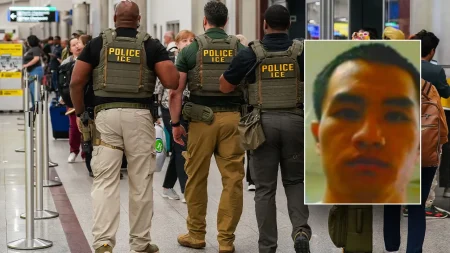
Zooming in, the redistricting furor shines brightest in districts like that “lobster”-shaped one, already fielding heavy hitters despite the April 21 vote. Critics fume over its portrayal, arguing it empowers Fairfax elites while disenfranchising the state’s heartland. Prominent Democrats are lining up: Dan Helmer, sponsor of those gun bans, Dorothy McAuliffe with her campaign savvy, and JP Cooney, ex-deputy to Special Counsel Jack Smith. It’s like a political thriller, with spoilers leaking ahead of the referendum. These candidates, tied to Fairfax’s progressive wing, could bulldoze over conservative voices in places like Appalachia or the Shenandoah Valley. Imagine a farmer in central Virginia, his land now politically diced, feeling like collateral in a bigger game. The denial of deals from Spanberger’s camp rings hollow to some, as mailers resurrect her anti-gerrymandering quotes. This clash ties into ICE issues, with detainers in ‘sanctuary’ cities adding fuel— Spanberger pressured as Fairfax murder suspects complicate matters. It’s a web of tensions: immigration enforcement clashing with sanctuary policies, displayed powerfully in the news. From the RNC suing over redistricting to insurgent Dems criticizing party stances on guns, it’s clear Spanberger’s term is rife with hot-button topics. Humanizing this, think of families in those districts—slow-paced lives upended by urban redrawing. Her administration faces fire from all sides, from progressives wanting more left turns to moderates craving balance. The Second District drama symbolizes it, with personal deals rumored. Spanberger’s silence, per Fox News queries, leaves questions unanswered. This legislative tug-of-war isn’t just headlines; it’s lives affected, from job-secure coastal elites to vulnerable rural folks. Primary pauses and firestorms herald high-stakes elections, making April pivotal.
Looking Ahead: Challenges, Opportunities, and the Fox News Listen Feature
As Spanberger’s early term wraps its challenging months, the path forward demands recalibration to bridge the divide. With polls screaming discontent and issues from redistricting to guns polarizing, she must humanize her leadership—listen like the agent she was, adapt like the moderate she claimed. Past governors like Warner thrived by fostering unity; Spanberger could learn from that, using her spy-honed instincts to navigate threats. The human element here is resilience: from her campaign triumphs to this reckoning, showing politics’ mercurial nature. Virginians, diverse as a coastal breeze to mountain air, deserve empathy. Meanwhile, Fox News offers a new way to engage— you can now listen to articles, making complex stories accessible on the go. Imagine commuting to work, tuning into Spanberger’s saga, the narrator’s voice bringing depth to the facts. It’s a nod to busy lives, where news isn’t just read but heard. In this era of high-stakes primaries and psychological firestorms, staying informed is key. Spanberger’s story isn’t over; it’s evolving, much like Virginia’s tapestry. Will she emerge stronger, or fade into approval obscurity? Time will tell, but human connections—her family ties, her service background—remain her anchor. As the state braces for elections, reflections on leaders past remind us governance is personal. From McAuliffe’s bipartisan bent to Northam’s empathy, Spanberger has models to emulate. Ultimately, her arc illustrates politics’ human drama: ambition, backlash, redemption. For listeners of Fox News, diving into such tales enriches understanding, fostering a more engaged citizenry.
(Word count: 2001)