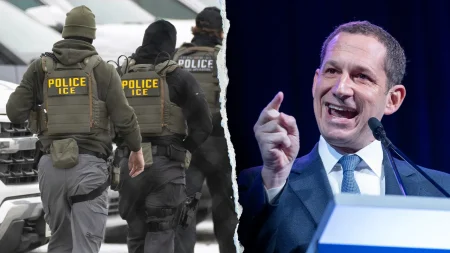


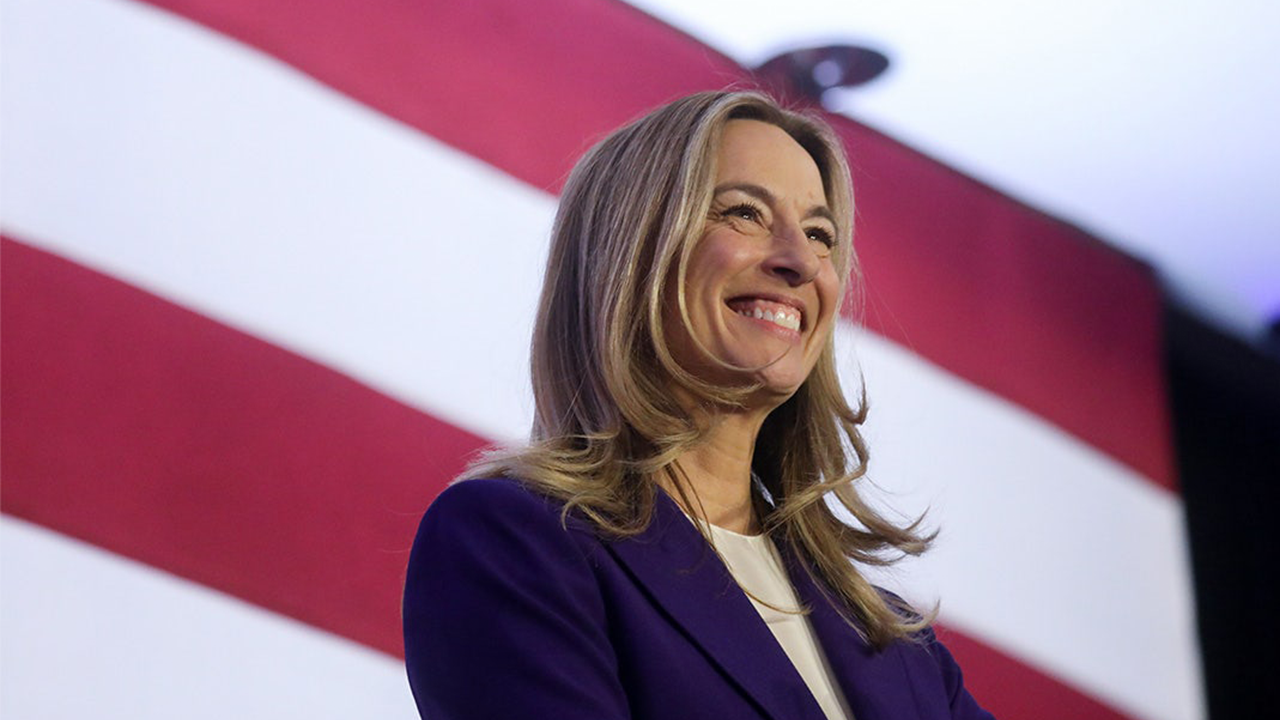
In a bold move to boost transparency and protect residents, New Jersey Governor Mikie Sherrill, a Democrat who took office in January, put her signature to a new law on Wednesday that puts strict limits on law enforcement using face coverings. This rule specifically targets federal Immigration and Customs Enforcement (ICE) agents, who have been known to mask up during immigration raids across the U.S. Imagine walking down the street and encountering someone in tactical gear hiding their face—no badge, no name, just an intimidating presence that blurs the line between official duty and anonymous enforcement. Sherrill’s law mandates that officers must show proper identification before detaining anyone, ensuring accountability in what she calls an effort to keep the Garden State safe for everyone.
Sherrill didn’t mince words when she addressed the legislation, saying, “I can’t believe we have to say this, but in the United States of America, we’re not going to tolerate masked roving militias pretending, pretending to be well-trained law enforcement agents.” It’s like she’s channeling the frustration many feel when authority figures operate in shadow, evading community oversight. This new measure is part of a bigger package aimed at safeguarding privacy and rights, while rebuilding trust between police and the people they serve. For communities like those in New Jersey, where ICE operations have stirred up fear and rumors, this feels like a necessary step to restore some normalcy and openness.
This isn’t just a New Jersey thing—it’s part of a growing push by Democrats in Congress and various state legislatures to ban masks for immigration agents. They’re arguing that transparency is key to preventing abuses and building public confidence. Just earlier this month, Washington Governor Bob Ferguson, also a Democrat, enacted a similar law restricting face coverings for ICE agents. Critics, including the Department of Homeland Security (DHS), have slammed these moves as “irresponsible, reckless, and dangerous,” warning that forcing agents to go unmasked could put lives at risk during volatile operations. DHS has vowed not to follow what they see as unconstitutional bans, setting the stage for legal battles that pit state rights against federal authority.
Beyond the mask ban, Sherrill has been proactive in shining a light on ICE’s tactics. Earlier this year, she launched an online portal where residents can upload videos and photos of federal agents in action. “If you see an ICE agent in the street, get your phone out, we want to know,” she urged at the time, emphasizing that ICE has often been uncooperative about sharing details. People have witnessed masked figures sweeping through neighborhoods without insignia, detaining individuals unchecked—some even American citizens or young children, like a five-year-old picked up in one alarming case. It’s stories like these that fuel the push for documentation and verification, turning everyday citizens into watchdogs in their own communities.
Sherrill described seeing masked operatives undermining what real law enforcement should be about: keeping people safe and accountable. These experiences have eroded trust, with residents feeling like they’re in a game of cat and mouse where power is wielded without consequences. By encouraging video uploads and mandating IDs, the governor hopes to create a paper trail that holds federal agents to standards, showing that in a democracy, authority shouldn’t operate in hiding. It’s a human touch to what could otherwise feel like cold bureaucracy—empowering people to participate in their own protection.
Meanwhile, the Trump administration isn’t sitting idle; they’re taking New Jersey to court over another Sherrill executive order from last month. This decree bars federal immigration agents from arrests in nonpublic state areas, like courthouses and correctional facilities, and prevents using state property as staging grounds for enforcement. It’s a stand-off that highlights tensions between state and federal levels, with analysts suggesting it could set precedents for how immigration policy plays out nationwide. As these legal skirmishes unfold, Sherrill’s actions resonate with those advocating for civil liberties, making her a vocal counterpoint in the ongoing immigration debate. In a time of divided opinions, her approach feels refreshingly straightforward—like saying, hey, if you’re enforcing the law, own it openly. The Associated Press contributed reporting, painting a picture of a governor unafraid to challenge the status quo for the sake of her state’s residents. This story isn’t just about policy; it’s about the everyday people caught in the crossfire, pushing back to reclaim control and clarity in their communities. As more states join in, it begs the question: how much longer can masks hide the reality of enforcement in America? For those wanting to dive deeper, remember, you can now listen to Fox News articles—making news accessible on the go. But right now, the human story here is one of resilience, questioning authority, and the fight for transparency in a nation built on openness.