






Democratic States Sue Trump Administration Over Gender Transition Care Restrictions
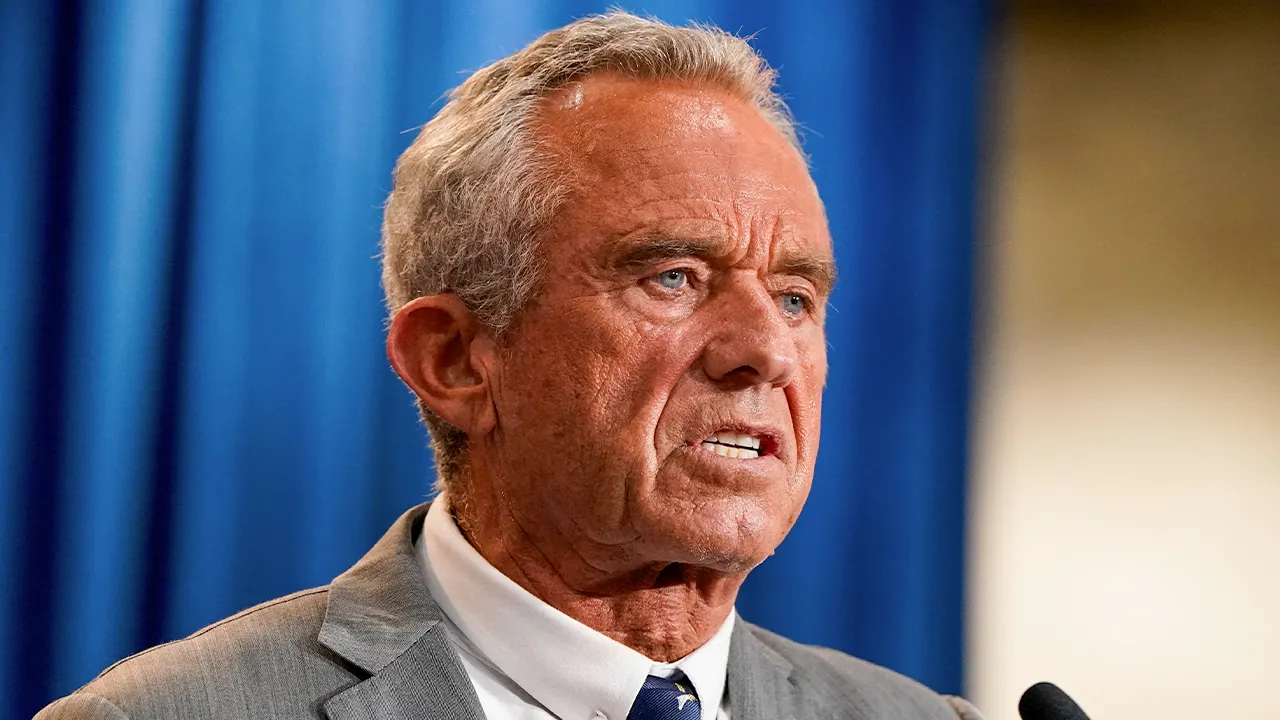
In a bold legal challenge, 19 Democrat-led states and Washington, D.C., have filed a lawsuit against the Trump administration over its recent declaration aimed at restricting gender-affirming care for transgender minors. The lawsuit, led by New York Attorney General Letitia James, targets the U.S. Department of Health and Human Services (HHS), Secretary Robert F. Kennedy Jr., and the department’s inspector general. At the heart of the dispute is an HHS declaration that labeled treatments such as puberty blockers, hormone therapy, and gender surgeries as “unsafe and ineffective” for children experiencing gender dysphoria. This declaration represents a significant escalation in the administration’s efforts to limit access to transgender healthcare, building upon President Trump’s January executive order calling for HHS to protect children from what he termed “chemical and surgical mutilation.”
The legal challenge, filed in Eugene, Oregon, argues that the HHS declaration is both scientifically inaccurate and procedurally unlawful. The plaintiff states contend that Secretary Kennedy cannot unilaterally alter medical standards “by posting a document online,” and that federal law requires public notice and comment periods before substantive changes to health policy can be implemented—steps they claim were bypassed in this case. The lawsuit emphasizes that decisions about appropriate medical care should remain between doctors and patients, not dictated by federal mandates. Furthermore, the states argue that the declaration creates an intimidating environment for healthcare providers by threatening their exclusion from federal health programs, including Medicare and Medicaid, if they provide gender-affirming care to minors—potentially cutting off crucial funding sources for hospitals and clinics.
The administration’s declaration was based on a peer-reviewed report conducted by HHS earlier this year, which advocated for greater reliance on behavioral therapy rather than medical interventions for minors with gender dysphoria. This report questioned established standards of care from organizations like the World Professional Association for Transgender Health and raised concerns about whether young people can provide informed consent for treatments that might affect their future fertility. However, major medical groups and physicians specializing in transgender healthcare have criticized the report as fundamentally inaccurate and out of step with current medical understanding. The states’ lawsuit directly challenges these conclusions, arguing that they contradict the consensus of mainstream medical organizations that gender-affirming care can be appropriate and necessary treatment for some transgender youth.
Beyond the declaration, HHS has also proposed two federal rules that would further restrict access to gender-affirming care—one to cut off federal Medicaid and Medicare funding from hospitals offering these treatments to children, and another to block federal Medicaid money from being used for such procedures. While these rules are not yet finalized and must undergo a lengthy rulemaking process with public comment periods, they signal the administration’s determination to use federal healthcare funding as leverage to influence medical practice nationwide. The legal challenge does not directly address these proposed rules since they haven’t been finalized, but instead focuses on the declaration as an immediate threat to healthcare access and provider autonomy. The lawsuit represents a significant pushback against what Democratic attorneys general characterize as federal overreach into medical decision-making.
The conflict comes amid a rapidly changing landscape for transgender healthcare across the country. Even before these federal actions, several major medical providers had begun scaling back gender transition treatment for youth since Trump’s return to office—even in Democrat-led states where such procedures remain legal under state law. Currently, Medicaid programs in just under half of states cover gender transition treatment, while at least 27 states have adopted laws restricting or banning the treatment altogether. The Supreme Court’s decision earlier this year upholding Tennessee’s ban on gender-affirming care for minors has emboldened more states to maintain or introduce similar restrictions, creating a patchwork of access across the country where geography increasingly determines healthcare options for transgender youth.
The lawsuit represents a coordinated effort by Democratic-led states to maintain their authority to set healthcare policy within their borders. Attorney General James was joined by her counterparts from California, Colorado, Connecticut, Delaware, Illinois, Maine, Maryland, Massachusetts, Michigan, Minnesota, New Jersey, New Mexico, Oregon, Rhode Island, Vermont, Wisconsin, Washington state, and Washington, D.C., as well as Pennsylvania’s Democratic governor. This coalition reflects the deep political divisions in the country regarding transgender rights and healthcare policy. While Republican-led states have increasingly restricted gender-affirming care, Democratic states have positioned themselves as havens for transgender individuals seeking medical treatment, with some even passing “shield laws” to protect providers and patients from out-of-state legal action.
As this legal battle unfolds, it highlights fundamental questions about federalism, medical autonomy, and the role of government in healthcare decisions. The administration frames its actions as protecting vulnerable children from experimental procedures, while the plaintiff states view them as dangerous intrusions into the doctor-patient relationship that threaten essential care for a marginalized population. With the presidential election approaching, the outcome of this lawsuit could have profound implications for transgender healthcare access nationwide. For transgender youth and their families caught in the middle of this political and legal struggle, the stakes couldn’t be higher—access to what many medical professionals consider appropriate and potentially life-saving care hangs in the balance, determined increasingly by political boundaries rather than medical consensus or individual need.