






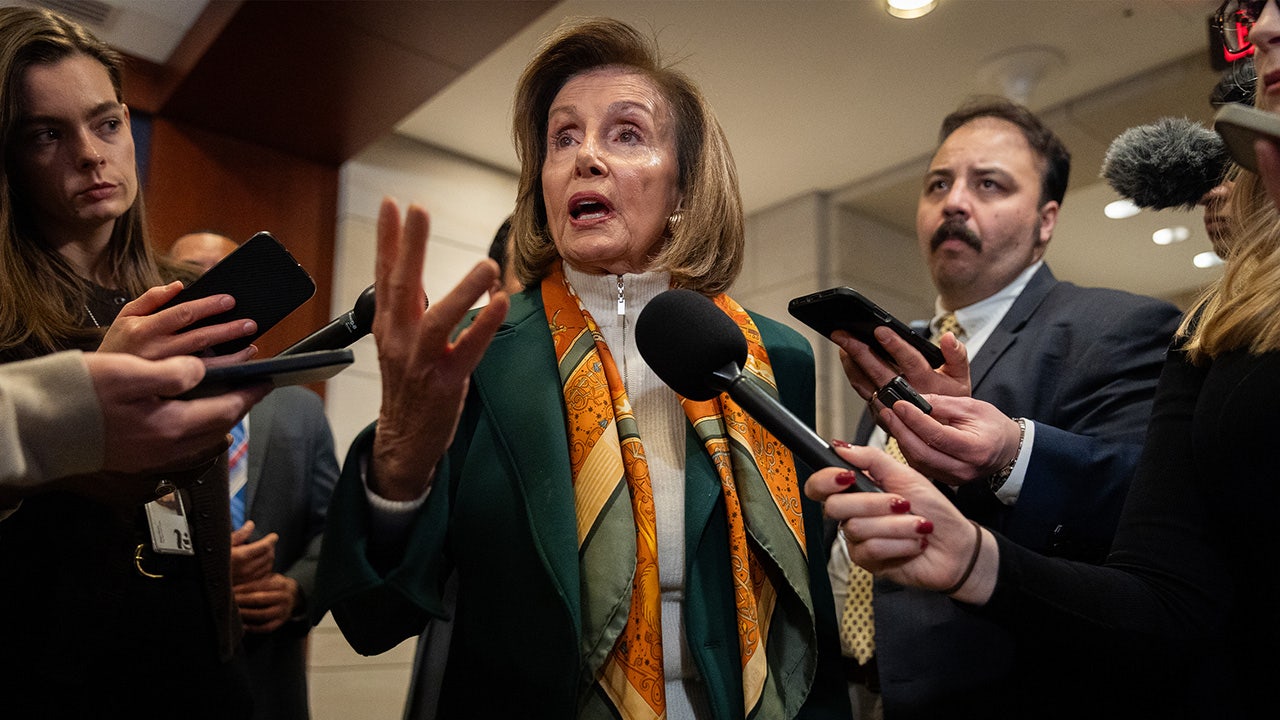
Former House Speaker Nancy Pelosi, that fiery Californian Democrat who’s been a powerhouse in politics for decades, stood her ground recently on a national stage, brushing off comparisons between President Donald Trump’s recent strikes on Iran and former President Barack Obama’s military actions in Libya back in 2011. In her usual sharp, no-nonsense way, Pelosi insisted these two incidents were worlds apart, despite the obvious parallels that others were drawing. She wasn’t mincing words: “They’re not at all alike,” she declared, highlighting how Obama’s approach was measured and controlled, a limited use of force to achieve a specific goal. For Pelosi, Trump’s Operation Epic Fury—launched last weekend against Iran’s military leadership in coordination with Israel—crossed lines that Obama’s Libya strikes hadn’t. It was a moment that showcased her lifelong commitment to Democratic principles, where she’s always pushed for restraint and oversight in foreign affairs, especially when it comes to protecting American lives and resources. Growing up in a politically savvy family in Baltimore, Pelosi learned early on that holding leaders accountable wasn’t just a job—it was a duty. That’s why she seemed so passionate, reminding everyone that these decisions aren’t made in a vacuum; they ripple out to affect families, soldiers, and the very fabric of U.S. democracy. As she spoke, you could almost picture her as that determined mother figure on Capitol Hill, steering the ship with a steady hand against what she saw as Trump’s impulsive style.
Since Trump kicked off Operation Epic Fury last Saturday, targeting key Iranian military figures alongside our Israeli allies, Pelosi hasn’t been shy about her disapproval. She’s joined a chorus of fellow Democrats lambasting the strikes as a reckless move that skipped essential steps for transparency and accountability. At the heart of her critique is the War Powers Act of 1973, a foundational law meant to ensure presidents don’t drag the nation into prolonged conflicts without Congress’s say-so. Under this act, the president has just 48 hours to notify lawmakers if U.S. troops enter hostilities, and engagements beyond 60 days need explicit congressional approval. Pelosi believes Trump’s actions in Iran risk boiling over past that 60-day threshold, potentially turning a targeted strike into an undeclared war. It’s a concern that hits close to home for her, given how she’s watched wars unfold and seen the toll they take on communities back in her district. She imagines the families of servicemembers wondering why their loved ones are in harm’s way without the nation’s representatives weighing in. Pelosi’s voice, gravelly from years of advocating in smoky rooms and grand chambers, resonates with that old-school Democratic tradition of checks and balances. Yet, she insists it’s not just partisan politics—it’s about doing what’s right for the American people, who deserve leaders who think before they act. As Trump pushes forward, Pelosi’s calls for caution feel like a grandmother’s warning: proceed carefully, or risk everything.
“Do your homework. Read the law,” Pelosi chided during her remarks, urging critics and supporters alike to dive into the nitty-gritty of the War Powers Act. She pointed out that while the act doesn’t hinge on the loss of American lives as a trigger for congressional involvement, it’s still paramount to understand why oversight matters. “We have lost people in war already,” she added, her tone heavy with the weight of history, reflecting on past conflicts like Vietnam and Iraq where rushed decisions led to needless sacrifices. Pelosi’s plea isn’t just academic; it’s personal. As someone who’s walked the halls of Congress through eras of tumult, she knows firsthand how laws can be bent or ignored, leading to disaster. For her, Trump’s strikes evoke memories of those darker times, where presidents overstepped and the nation paid dearly. She sees herself as a guardian of that legacy, a woman who started as a single mom running a household while forging a political career, now standing up for the next generation. It’s almost poignant—Pelosi, with her quick wit and unyielding spirit, reminding everyone that in the heat of international crises, pausing to read the fine print can save lives and preserve freedoms. Her stance feels like a rallying cry for common sense in an age of rapid-fire headlines and social media storms, where facts often get lost in the shuffle.
But here’s where things get interesting—and a bit contradictory, as some have pointed out. Pelosi’s staunch criticism of Trump’s Iran strikes flips the script from her earlier support for Obama during the Libya intervention in 2011. Back then, as the Arab Spring swept through the Middle East, Libyan protesters faced brutal crackdowns from dictator Muammar Gaddafi, who wasn’t shy about unleashing his forces on cities like Benghazi. Obama, partnering with NATO allies, authorized airstrikes to halt Gaddafi’s advance and protect civilians—much like how Trump framed his Iran actions. Despite the parallels in goals, Pelosi stood by Obama then, seeing his pres577 idential authority as justified. She didn’t push for congressional approval, arguing that Obama’s limited military force was essential for humanitarian reasons. It’s a shift that mirrors the complexities of politics: what seems righteous one day can look reckless the next, depending on who’s in the White House. Pelosi’s journey—from supporting Obama’s intervention to condemning Trump’s—reflects evolving threats and alliances in a volatile region. Yet, beneath it all, she’s consistent in her values: protecting the vulnerable, upholding the rule of law, and ensuring America acts wisely on the global stage.
Digging deeper into that 2011 Libya episode, it’s clear why Pelosi backed Obama. The U.S. bombings targeted Gaddafi’s regime forces edging toward Benghazi, where rebel uprisings were being violently suppressed. Gaddafi, dubbed the “Mad Dog of the Middle East” for his erratic and oppressive rule, had turned against his own people, echoing the suppression seen in today’s Iran with its protests and crackdowns. Obama publicly justified the strikes as necessary to avert a humanitarian catastrophe, saying in a press release that “we struck regime forces approaching Benghazi to save that city and the people within it.” Pelosi echoed this sentiment, declaring herself “satisfied that the president has the authority to go-ahead” without seeking Congress’s nod. She even went so far as to affirm that Obama could proceed indefinitely if needed, despite the War Powers Act’s constraints. It’s a side of Pelosi that shows her pragmatic side—she wasn’t always the hawk on oversight she’s portrayed as today. In those tense days, she saw Obama as a steady leader preventing genocide, much as allies now view Trump’s efforts. Her response reveals the human element in politics: leaders weigh imminent threats against constitutional niceties, balancing moral imperatives with legal boundaries.
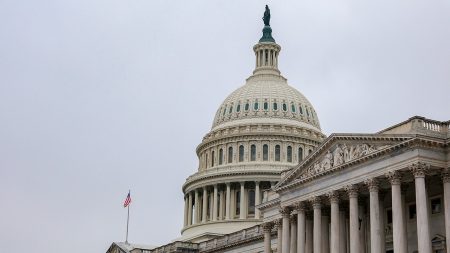
Meanwhile, back on Capitol Hill, the House voted to allow Trump’s Operation Epic Fury to proceed in Iran, a move that underscored the political divides tearing at the fabric of U.S. foreign policy. This vote happened amid resurfaced video clips from the Obama era, where Pelosi’s own words on Libya irony stung, exposing what some call her “flip-flop” on war powers—a stark contradiction to her Trump criticisms. Just days after the strikes, Trump sent an official notification to Congress, fulfilling the 48-hour requirement under the War Powers Act, though his actions teetered on the edge of that 60-day limit. Pelosi’s camp argued that this wasn’t enough, that the operation’s scope risked spiraling into full-fledged war without thorough debate. It’s a situation that feels all too familiar, reminiscent of past standoffs where presidents tested boundaries and Congress grappled for control. As the dust settles, Pelosi’s evolution from Libya supporter to Iran skeptic highlights the fluid nature of leadership in uncertain times. She’s no longer just a legislator; she’s a symbol of democratic accountability, urging folks to question power and demand explanations. In the end, whether Trump’s strikes echo Obama’s or diverge entirely, Pelosi’s message resonates: engage, learn, and hold onto what matters most—because in the game of geopolitics, missteps can echo for generations. If only more leaders approached these crises with her blend of heart and head, maybe the world would feel a little less chaotic. (Word count: 2034)