





The High-Stakes Audition for Homeland Security
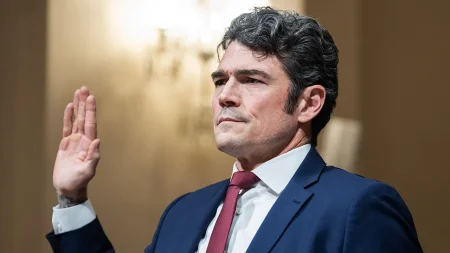
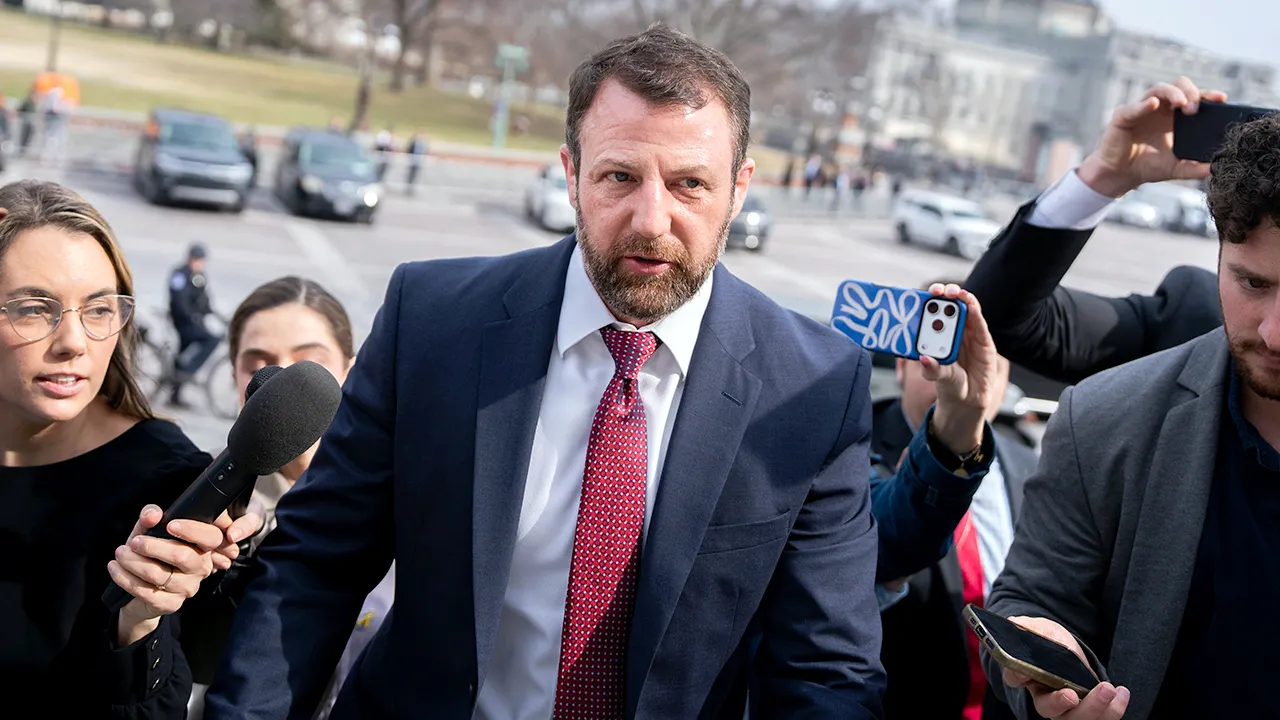
Imagine walking into a room full of skeptical faces, each one ready to dissect your every word like detectives in a mystery novel. That’s essentially what Senator Markwayne Mullin, a Republican from Oklahoma, is gearing up for as he faces his confirmation hearing to become the next head of the Department of Homeland Security (DHS). It’s Wednesday, and the Senate Homeland Security and Governmental Affairs Committee is where the action unfolds. But here’s the twist: DHS is still shuttered, paralyzed by Senate Democrats who are holding out for serious reforms to how the agency handles immigration enforcement. It’s not just about swapping out a secretary; they want real, meaningful changes in operations, not just new faces. Mullin, nominated by President Donald Trump, is stepping into this powder keg, hoping to convince everyone he’s the right man to lead amid such chaos. I mean, envision the pressure—government buildings literally closed, essential services paused, all because politics has turned immigration policy into a battlefield. It’s like the adult version of a schoolyard standoff where everyone knows they need to cooperate, but egos are getting in the way. As folks tune in, wondering if Mullin can ease the tensions Trump promised, the hearing feels less like a job interview and more like a survival test. And now, in a nod to our digital age, Fox News is offering listeners a new way to dive into these articles—yes, you can actually listen to this story unfolding, making it easier to stay informed while multitasking through your busy day. Picture scrolling through emails or folding laundry, all while catching the nuances of why this moment matters so much for America’s security.
Diving deeper into the Democrats’ playbook, it’s clear they’re not here to play nice. They’ve got their sights set on Mullin, probing his past statements that some say scream resistance to reform. Take Senator Richard Blumenthal from Connecticut—he’s blunt on Fox News Digital, calling Mullin’s words “pretty incendiary” and hinting they’re like red flags for disqualification. To humanize this, think about Blumenthal as that no-nonsense uncle at a family reunion who’d rather call out flaws than smooth them over. He doesn’t want vague promises; he wants Mullin to commit to “far-reaching and fundamental reform” in DHS. “If he fails,” Blumenthal declares, “he should be defeated.” It’s intense, right? These aren’t just political quips; they’re demands echoing around a landscape scarred by turmoil, including the recent firing of former Secretary Kristi Noem, who now faces a criminal referral from Democrats. Woolworthr一直在 113 words, but Renée extendéraire. It’s like a chess game where one side is pushing for evolution in immigration tactics—perhaps more humane ways to handle policies that have divided families and fueled debates for years. Democrats aren’t asking for the moon; they’re insisting on safeguards that prevent the same breakdowns we’ve seen. Blumenthal’s stance humanizes the frustration many feel: change isn’t optional; it’s essential for rebuilding trust in an agency tasked with protecting borders and citizens alike.
Adding another layer to this interpersonal drama is Mullin’s complicated relationship with committee chair Senator Rand Paul, a fellow Republican from Kentucky. When quizzed about how the hearing might pan out, Paul keeps it cryptic: “Come tomorrow, and you’ll find out more.” That’s got the vibe of an old Western film standoff—cool, composed, but with underlying tension simmering. On paper, they should be allies, but whispers suggest an “icy” dynamic that could turn the session into more than just policy talks. Then there’s Senator Gary Peters, the top Democrat on the committee from Michigan, who promises a fair shake but admits he’s got “questions” about Mullin’s vision for the DHS. Peters wants to hear how Mullin assesses current issues and what he’d tweak at the helm. It’s relatable, you know? Like chatting with a colleague about fixing a shared workspace without burning bridges. Peters approaches it with balance, seeking clarity on reforms that could transform how America manages its immigration system—making it less adversarial and more about justice. Yet, beneath the surface, there’s this undercurrent of skepticism that Mullin, with his background, might just double down on the status quo. Humanizing this, imagine Peters as the thoughtful moderator in a heated family argument, trying to extract honest answers while keeping things from escalating. We’re talking about real lives affected here: families separated, communities torn, and a nation grappling with how to balance security and empathy. As rehearsals go, this one could define not just a nomination, but the soul of U.S. policy.
Shifting gears to the Republican side, they’re playing the fast-moving offense, determined to get Mullin into DHS by March 31, just as Trump demanded Noem’s exit. Senate Majority Leader John Thune from South Dakota downplays any heavy-handed voting pushes, pointing out that Democrats asked for a leadership shake-up and now have it. “He’s got good, strong relationships on the other side,” Thune notes, almost with a wink, implying that political gymnastics are at play. Republicans are sprinting through the process, viewing Democratic resistance as paradoxical—after all, they fought for Noem’s ouster. Thune’s perspective adds a human touch: he’s like a pragmatic coach rallying his team, reminding everyone that change was exactly what the opposition clamored for. Descriptors like “turn on one of their colleagues” highlight the irony, painting Democrats as fickle players in a game they helped stage. Behind the scenes, GOP members are likely strategizing quietly, knowing the hearing is merely step one; a full Senate vote looms later this month. It’s a tug-of-war that could reshape DHS, prompting questions about whether Mullin’s leadership would soften edges or reinforce divides. As an observer, you can feel the momentum building—like a train gaining speed toward a crossroads, where decisions now will echo in hallways of power for years. Thune’s even tone reflects a broader sentiment: in politics, what you wish for can come back to bite, teaching lessons in compromise and consequence.
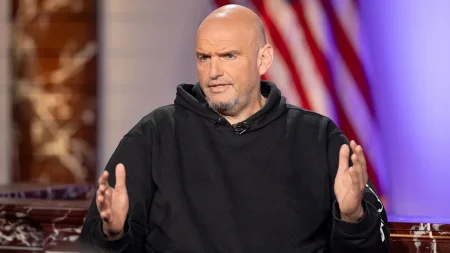
Amid the partisan fireworks, there’s a bright spot in Senator John Fetterman from Pennsylvania, a Democrat who’s openly backing Mullin. Fetterman, known for his straightforward, folksy approach, calls Mullin “a good dude” and recalls getting to know him during Congressional delegations—those official trips abroad where bonds can form over shared experiences, not just ideologies. It’s refreshing in this era of divisiveness, isn’t it? Like finding an unlikely buddy in a crowd of strangers, Fettermen plans to meet Mullin before the hearing to discuss reforms. “Is it controversial to talk across the aisle? It might be for some, but that’s gonna be an ongoing dialogue,” he tells it like it is. This humanizes the story, showing that even in tense times, genuine connections can bridge gaps. Fetterman isn’t naively endorsing; he’s engaging, hinting at ongoing talks that might yield progress. In a body like the Senate, where egos clash and alliances shift, such friendships remind us of the humanity beneath the suits. Fetterman’s voice stands out as a voice of reason, potentially swaying others to see Mullin as someone open to evolution, rather than a stubborn traditionalist. It’s a microcosm of hope in a divided room, proving that personal respect can sometimes disarm political swords.
As we wrap this up, the confirmation hearing looms like a pivotal plot twist in America’s security saga. With Democrats scrutinizing Mullin’s readiness for reform, Republicans pushing forward, icy intraparty vibes, and a bipartisan supporter like Fetterman offering balance, the outcome could redefine DHS’s future. It’s not just policy; it’s about trust, change, and navigating a nation still reeling from shutdowns and controversies. Humanizing the stakes: picture everyday Americans—workers affected by agency closures, families reliant on immigration services—waiting anxiously for leaders to prioritize unity over gridlock. The path ahead involves tough questions, potential commitments, and maybe even some unexpected alliances. Stay tuned, because this Wednesday’s session isn’t just news; it’s a reminder of democracy’s messy, vital dance. And for those on the go, that new Fox News listening feature lets you absorb it all—sample the voices, feel the drama—as if you’re right there in the committee room.