


Venezuelan Model Linked to Notorious Gang Leader Faces Trump Administration Sanctions
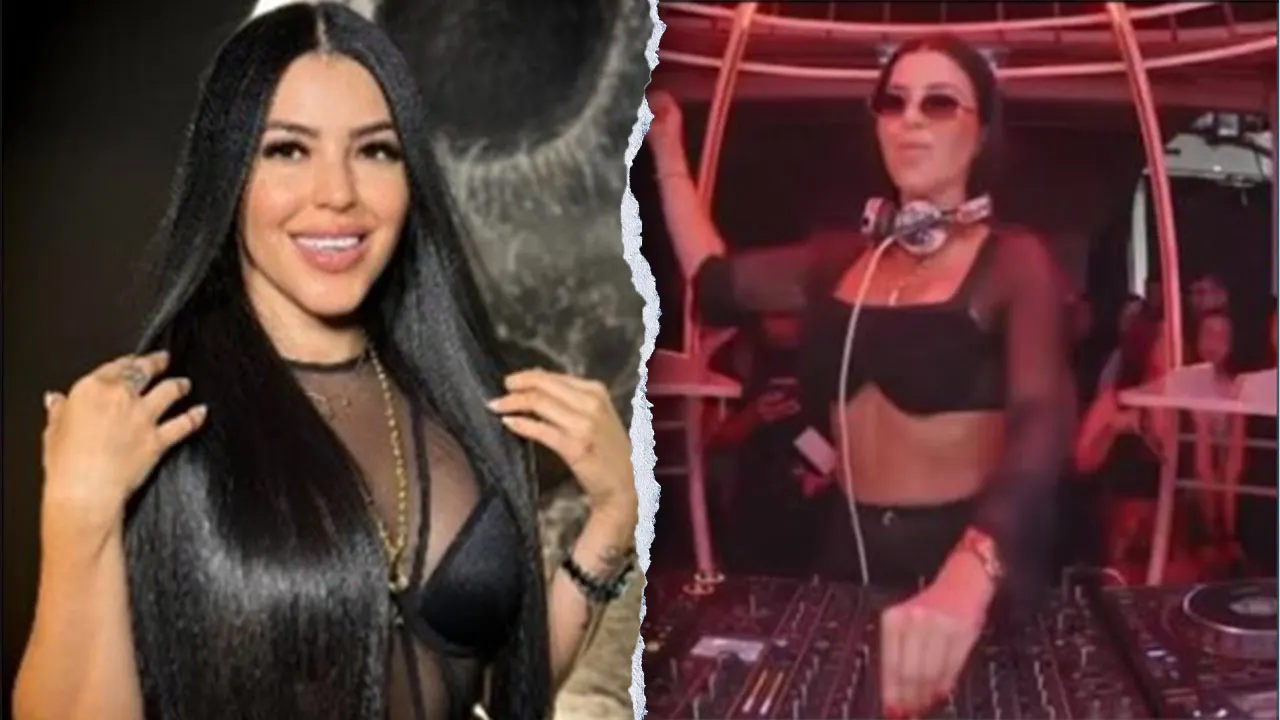
In a significant move against transnational crime, the Trump administration has imposed sanctions on Jimena Romina Araya Navarro, known professionally as “Rosita,” a Venezuelan model, actress, and DJ with a substantial social media following. The Treasury Department’s Office of Foreign Assets Control (OFAC) alleges that Navarro has played a crucial role in money laundering operations for the Tren de Aragua (TdA), a notorious Venezuelan gang that has expanded its criminal enterprises across Latin America and reportedly into the United States. Beyond her glamorous public persona, authorities claim Navarro has a personal connection to the gang’s leader, Hector “Niño Guerrero” Rusthenford Guerrero Flores, and allegedly helped him escape from Tocorón prison in Venezuela back in 2012. This action represents part of a broader strategy by the administration to combat what it describes as “barbaric terrorist cartels” threatening American security.
The sanctions against Navarro highlight the complex web of legitimate businesses and entertainment venues allegedly used to launder proceeds from the gang’s criminal activities. According to Treasury officials, Navarro regularly performs at nightclubs in Colombia, with portions of these events’ proceeds funneled directly to TdA leadership. Her former bodyguard and manager, Eryk Manuel Landaeta Hernandez, owns the Bogotá nightclub Maiquetia VIP Bar Restaurant, which authorities believe has served as a front for drug sales and money laundering operations. Navarro herself holds a position as president and shareholder in Global Import Solutions S.A., a Venezuela-based company that may be part of this financial network. The Treasury Department’s actions reflect growing concern about how criminal organizations increasingly blur the lines between legitimate business, entertainment, and organized crime to move and clean illicit funds across international borders.
The sanctions extend beyond Navarro to include several TdA leaders and facilitators, demonstrating the administration’s comprehensive approach to dismantling the gang’s infrastructure. Among those targeted are Richard Jose Espinal Quintero, Noe Manases Aponte Cordova, Asdrubal Rafael Escobar Cabrera, and Cheison Royer Guerrero Palma (the half-brother of gang leader Niño Guerrero), who was reportedly working to expand the gang’s operations into Chile. Also sanctioned was Kenffersso Jhosue Sevilla Arteaga, known as “El Flipper,” arrested in Colombia last November for alleged involvement in extortion, kidnappings, and homicides. These sanctions represent part of a multi-pronged strategy that includes the February designation of TdA as a foreign terrorist organization by the State Department, marking an escalation in how the U.S. government classifies and combats this transnational criminal group.
The Tren de Aragua gang has evolved from its origins in Venezuela’s prison system to become a transnational threat with operations spanning human trafficking, drug smuggling, extortion, and violence across multiple countries. What makes this case particularly concerning for U.S. authorities is an April intelligence assessment from the National Intelligence Council suggesting that some Venezuelan officials may have facilitated the migration of TdA members into the United States. The Trump administration has made targeting these gang members a priority, with efforts focused on identifying and deporting them back to Venezuela. Treasury Secretary Scott Bessent emphasized this commitment, stating, “We will continue to use every tool to cut off these terrorists from the U.S. and global financial system and keep American citizens safe,” reflecting the administration’s framing of this as both a crime and national security issue.
The case of Navarro and her alleged associates illustrates how criminal organizations increasingly operate at the intersection of entertainment, social media influence, and traditional criminal enterprises. Hernandez, arrested by Colombian authorities in October 2024, allegedly organized events featuring international artists and DJs—including Navarro—where drugs were sold for TdA and proceeds laundered. Through his company, Eryk Producciones SAS, he reportedly served as the gang’s financial and logistics chief in Colombia. This strategy of using cultural spaces and entertainment venues as fronts for criminal activities makes detecting and disrupting such operations particularly challenging for law enforcement. The glamorous façade provided by celebrities and influencers like Navarro can lend legitimacy to what authorities describe as dangerous criminal enterprises, complicating efforts to combat these networks.
The sanctions against Navarro and other TdA associates come amid broader tensions between the United States and Venezuela. The Trump administration has taken a hardline stance toward the Maduro regime, which it has accused of human rights abuses and undermining democratic institutions. Recently, the administration conducted a strike on a cartel vessel off Venezuela’s coast, an action that some analysts interpreted as sending a warning to Maduro. For his part, Venezuelan President Nicolás Maduro has claimed that the United States seeks “regime change through military threat,” pointing to an American military buildup in the Caribbean. The sanctions against TdA members and associates like Navarro thus unfold against this backdrop of regional geopolitical tension, where criminal networks, immigration concerns, and interstate rivalries intersect in complex ways that challenge traditional approaches to law enforcement, diplomacy, and national security.