





Minnesota’s Political Landscape Shifts as Walz Announces He Won’t Seek Re-election Amid Fraud Scandal
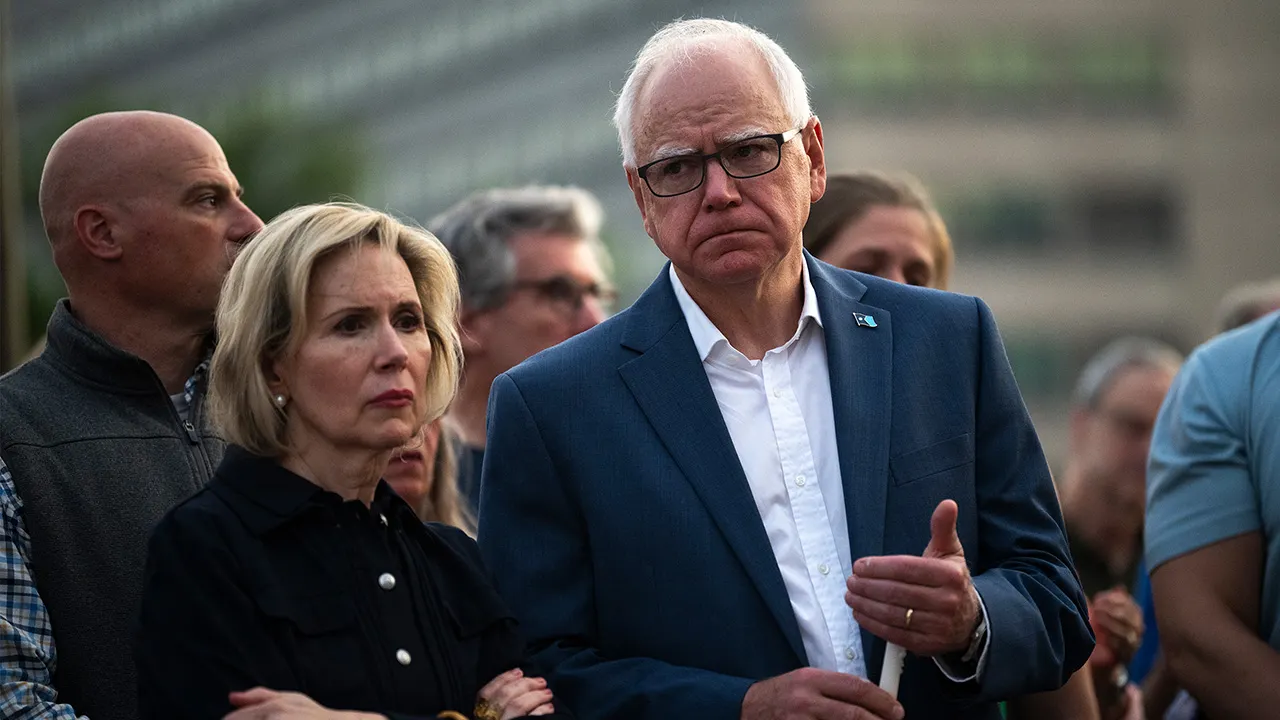
In a dramatic turn of Minnesota politics, Governor Tim Walz has announced he will not seek re-election, sparking strong reactions from the state’s Republican representatives in Congress. The decision comes amid revelations of potentially massive fraud in Minnesota’s government assistance programs, with estimates suggesting the state may have lost as much as $9 billion under Walz’s leadership. This announcement marks a significant shift for Walz, who had previously declared his intention to run for a third term after his brief vice-presidential campaign alongside Kamala Harris ended earlier this year.
Republican lawmakers from Minnesota have not minced words in their response to Walz’s decision. Representative Michelle Fischbach, who once served as the state’s lieutenant governor, called it “the only acceptable outcome after the large-scale fraud that was permitted under his watch.” She further criticized the administration for allowing “Minnesota to become a national playground for fraudsters,” suggesting that the governor’s “radical negligence has cost Minnesotans billions.” The fraud schemes in question reportedly operated through various channels, including fake daycare centers, medical providers, and food assistance programs that either fabricated services entirely or significantly inflated the number of people they claimed to serve.
Despite Walz stepping away from re-election plans, some Republican representatives believe this action doesn’t go far enough. Representative Pete Stauber explicitly stated that “Minnesotans deserve to see full accountability” and that “if Walz is unfit to seek re-election, he is unfit to serve as governor.” Stauber’s comments highlight a growing call among Republican lawmakers for more immediate consequences, suggesting that resignation rather than simply not seeking re-election would be the appropriate response to the scale of fraud that allegedly occurred under Walz’s watch. These sentiments reflect the deep political divisions that have emerged around the scandal and suggest that the controversy will likely continue to shape Minnesota’s political landscape well into the future.
The financial implications of the alleged fraud are staggering. Beyond the estimated $9 billion lost to fraudulent schemes, Republicans point to other financial decisions made under Walz’s administration that they consider problematic. Representative Stauber cited the depletion of an $18 billion state surplus and tax increases amounting to $10 billion. He also criticized policies providing benefits to undocumented immigrants, including access to higher education, healthcare, and driver’s licenses. These criticisms frame the fraud scandal as part of a broader pattern of fiscal mismanagement and ideological governance that Republicans argue has harmed Minnesota’s taxpayers and the state’s financial stability.
Looking toward the future, Representative Brad Finstad expressed concern about the long-term impact of these fraud schemes on Minnesota’s government and reputation. He suggested that “it will take years to undo the damage” and that Walz’s successor will face “a massive task” in addressing “systemic waste, fraud and abuse.” Finstad’s comments underscore the belief among Republicans that the problems exposed by the scandal run deep within Minnesota’s government institutions and will require sustained effort to resolve. He also signaled his commitment to electing a Republican governor who could “restore trust in state government and the reputation of our great state,” framing the next gubernatorial election as crucial for Minnesota’s recovery from this crisis.
Despite Walz’s decision to step back from seeking another term, Republican representatives have made it clear that their pursuit of accountability will continue. Representative Fischbach emphasized that “the era of looking the other way is over” and warned that investigations would persist “until every stolen dollar is accounted for.” This stance suggests that even as Walz prepares to exit the political stage when his current term ends in January 2027, the fallout from the fraud scandal will likely dominate Minnesota politics for years to come. The situation highlights the tension between governance and oversight, raising important questions about responsibility and accountability in the administration of public resources and government assistance programs.