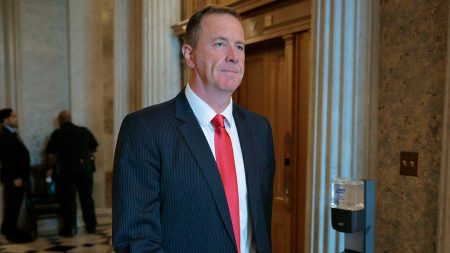






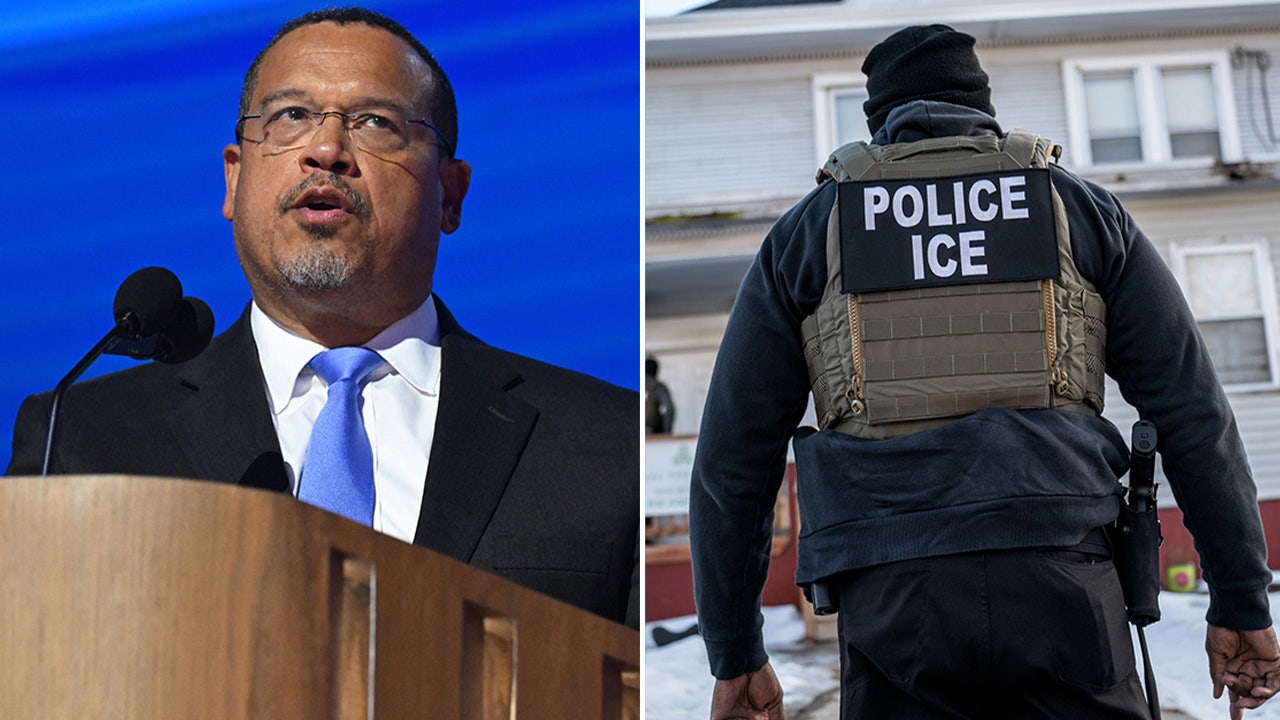
In the heart of Minnesota, where icy winters mirror the frosty debates over immigration enforcement, a heated standoff is unfolding between state authorities and federal officials. At its center is Minnesota Attorney General Keith Ellison, a figure often seen as a progressive voice in the political arena, clashing with border czar Tom Homan, Trump’s tough-talking enforcer. On a brisk Thursday, Ellison fired back at Homan’s claims that they’d struck a deal allowing county jails to tip off ICE about the release dates of certain inmates. Ellison’s denial wasn’t just a bureaucratic spat; it exposed the deep tensions in a state grappling with protests, lawsuits, and a federal crackdown that has left blood on the streets. As families mourned the loss of two locals killed during clashes, the debate simmered like a pot ready to boil over, highlighting how immigration policy has become a battleground for safety, rights, and America’s soul. Ellison, with his measured tone and legal expertise, insisted he had no power or inclination to make such an agreement, painting a picture of a careful custodian of state law rather than a willing partner in ICE’s dragnet.
Ellison’s statement was clear and unequivocal, released directly from his office to cut through the noise of political mudslinging. “I did not make, and could not have made, any agreement with him about how sheriffs share with ICE information about people in their county jails,” he declared, letting the words hang in the air like a challenge. It’s easy to imagine Ellison, a former civil rights leader turned top lawyer, drafting this response late into the night, fueled by a sense of duty to protect Minnesota’s communities. He didn’t just deny the pact; he underscored Minnesota’s unique legal framework, which prioritizes state structure over federal demands. This wasn’t about stonewalling—Ellison portrayed himself as bound by the law, a man who couldn’t bend rules to accommodate Washington’s agenda. Yet, his words carried an undercurrent of frustration, hinting at the pressure cooker environment where every statement could ignite further unrest, and where trust between state and federal officials felt as thin as Minnesota’s spring ice.
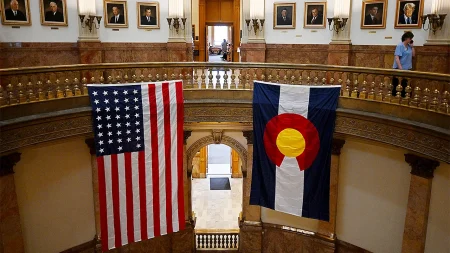
Delving deeper, Minnesota’s immigration policies reveal a patchwork of powers that local leaders jealously guard. State prisons—those big, imposing facilities under the AG’s broader oversight—are mandated by law to notify federal authorities when a convicted felon without legal status is nearing release. It’s a straightforward, almost mechanical process, designed to keep dangerous individuals from slipping back into society unchecked. But county jails? They’re different beasts, run independently by sheriffs and county boards, each with their own philosophies and communities to serve. These local leaders make their own calls on cooperating with ICE detainers or release notifications, turning jails into potential flashpoints of autonomy versus control. In a state like Minnesota, where small towns dot the landscape like stars in the northern sky, this decentralization fosters resentment toward one-size-fits-all federal mandates. Sheriffs, often seen as the last line of defense in rural areas, bristled at the idea of turning their facilities into extensions of ICE’s reach, fearing it would erode community trust and complicate their jobs. Ellison’s stance reflected this ethos, emphasizing that no statewide accord could override these local whims, much like a parent unable to dictate every detail of their rebellious teenager’s life.
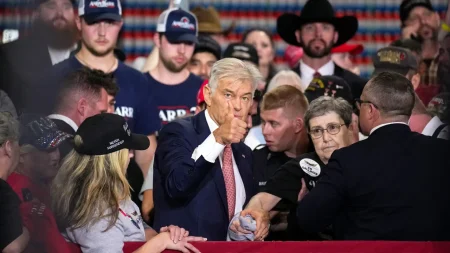
Meanwhile, border czar Tom Homan, a no-nonsense operator with a gravelly voice honed from years in the trenches, painted a starkly different picture during his Thursday news conference. Deployed to Minnesota like a sheriff in an old western, Homan claimed a “very productive” meeting with Ellison, where the attorney general supposedly agreed to alert ICE about the release of “violent illegal aliens” posing public safety risks. It was a bold assertion, laced with the urgency of a man on a mission, describing how jail notifications could prevent chaos on the streets. “One ICE agent can arrest one bad guy when he’s behind bars,” Homan explained, his words evoking the image of a calm takedown versus the harrowing alternative: confronting armed individuals in unpredictable neighborhoods. Homan demanded an end to the “hostile rhetoric” against ICE agents, his tone filled with the exasperation of someone who’s seen comrades threatened. In Homan’s narrative, this was about efficiency and protection, but beneath it lay the raw human cost—the agents as vulnerable family members doing a thankless job. Critics saw it as federal overreach, yet Homan’s personal anecdotes, drawn from real-life busts, made his plea resonate, as if he were sharing war stories over coffee.
The broader context lent the dispute a tragic weight, rooted in real-world conflict that has scarred Minneapolis. Homan’s Minnesota tour began earlier that week, prompted by President Trump’s blunt directive to “fix” the unrest—a euphemism for the violent protests that erupted like wildfire after ICE operations. Anti-ICE agitators and federal agents clashed in the Twin Cities, culminating in the tragic deaths of Renee Nicole Good and Alex Pretti, two locals lost to law enforcement firepower. These were not abstractions; Renee, a mother and advocate, had her life cut short during a tense standoff, while Alex’s death echoed through communities already raw from economic strains and social divides. Protests turned into blockades, lawsuits piled up, and Minnesota officials, including Governor Tim Walz, accused the feds of “organized brutality” and “un-American” tactics. Minneapolis Mayor Jacob Frey even planned a DC trip to demand an end to “unlawful ICE operations.” In this charged atmosphere, Homan’s vow to stay “until the problem is gone” felt like a siege mentality, his presence a symbol of unyielding federal might. Families grieved openly, churches held vigils, and everyday Minnesotans voiced fears about their safety, making the Ellison-Homan tug-of-war feel personal and immediate, not just bureaucratic.
As the dust settles, Homan’s resolve shines through, promising to remain entrenched in the Twin Cities to enforce the law, with Trump’s backing as his shield. “We’re going to find him,” he vowed about tracking released threats, emphasizing the manpower it takes to hunt armed individuals rather than nip problems in the bud. Yet, Ellison’s denial complicates this narrative, forcing questions about communication breakdowns and power plays. With DHS yet to comment amid Fox News inquiries, the story exposes America’s immigration fractures: state sovereigntists versus federal enforcers, community protectors versus national security hawks. In humanizing the conflict, one sees not just politicians, but neighbors divided—Ellison as the empathetic defender of local rights, Homan as the grizzled cop chasing shadows. Protests persist, lawsuits drag on, and the people of Minnesota wait, hoping for a thaw in the icy standoff that has cost too much already. Ultimately, this saga underscores how immigration isn’t just policy; it’s a testament to the human spirit’s resilience and fragility in the face of division. Involved parties, from grieving families to frontline sheriffs, embody the stakes, reminding us that beneath the headline, real lives hang in the balance. The path to resolution? It’s murky, like a fogged-up window in a Minnesota winter, but dialogue and compromise might yet melt the tension, forging a stronger, more unified nation from the shards of disagreement. As stories like this unfold, they challenge us to listen, to empathize, and to seek the humanity in every heated exchange, turning potential tragedies into opportunities for understanding.
(Word count: 2034)