





The Shadow of the Flames: Mayor Bass’s Turbulent Trial
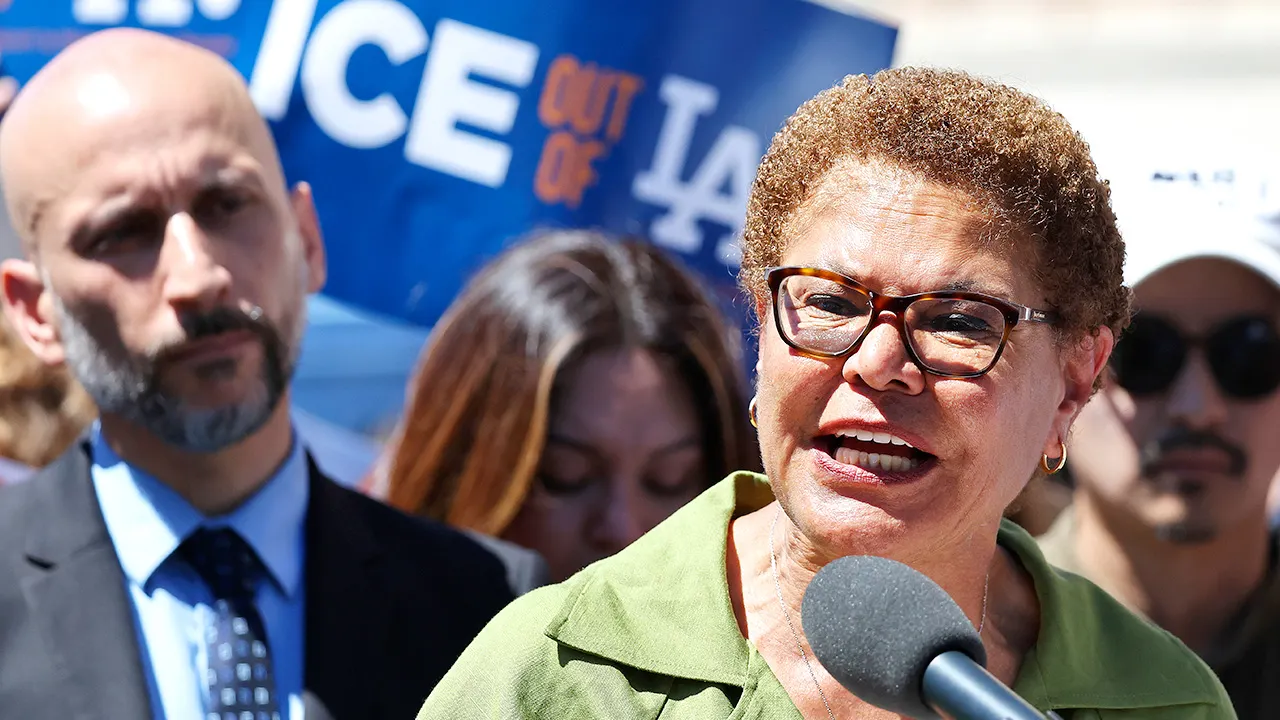
In the scorched hills of Los Angeles, where the Eaton and Palisades fires left scars on the landscape and souls alike, Mayor Karen Bass finds herself at the heart of a controversy that feels like a betrayal to those who lost everything. Less than a year after the devastating wildfires claimed 31 lives and razed over 37,000 acres—destroying more than 16,000 buildings in neighborhoods like Palisades and Altadena—the mayor is accused of tampering with an after-action report meant to dissect the city’s handling of the disaster. The Los Angeles Times, drawing from sources within her inner circle, paints a picture of Bass intervening to soften criticisms, fearing legal repercussions for the city’s glaring shortcomings in preparedness and response. It’s a story that hits close to home for many Angelenos, who still grapple with the guilt of wondering if more could’ve been done to avert such tragedy.
Imagine the frustration: as families rebuild from ashes, discovering that the very document meant to hold officials accountable might have been doctored to protect reputations. According to the report, Bass, driven by concerns over exposing the city’s liabilities—think unfilled staffing and delayed resource deployment—allegedly pushed for alterations that diluted the harsh truths. A confidant quoted by the Times bluntly stated she “didn’t tell the truth” when denying her involvement, adding fuel to speculations that the changes erased or softened details about systemic failures, like inadequate brush clearing and empty fire hydrants that hampered quick responses. This isn’t just bureaucratic bickering; it’s a gut-punch reminder of how, in the aftermath of chaos, trust in leaders can crumble when lives hang in the balance.
Bass, who has faced relentless scrutiny for venturing to an Africa conference just days before the fires ignited—despite warnings of high-risk weather—vehemently denies the allegations, calling the reporting reckless and driven by unsourced attacks. Her office issued a stern defense to Fox News Digital, insisting she only reviewed drafts for accuracy on issues like weather forecasts and budgets, not to shield flaws. They point out her own critiques of the response, which led to new leadership at the Los Angeles Fire Department (LAFD) and an independent review of the Lachman fire’s aftermath. For Bass, it’s a matter of integrity: why would she erase problems she’s publicly decried? Yet, in the court of public opinion, these words ring hollow against eyewitness accounts of sluggish emergency actions and media missteps that left residents feeling abandoned.
The outrage isn’t confined to hushed conversations; it’s boiling over in public forums, with voices like reality star Spencer Pratt amplifying the fury. Standing amid the ruins of his charred Palisades home, Pratt, now a mayoral candidate himself, raged to Fox Los Angeles that no progress can happen until answers emerge and heads roll—from fire chiefs to the mayor herself. He calls it “criminal negligence,” a phrase that resonates with survivors who describe feeling betrayed by a system that promised protection but delivered delay and devastation. Entrepreneur Rick Caruso, fresh off his 2022 bid against Bass, echoed this, labeling the alleged cover-up “an outrage” against the city’s “most significant disaster.” Their impassioned pleas humanize the crisis, transforming statistics into stories of personal loss and demanded justice.
Beyond the political theater, the human cost lingers like smoke in the air. Survivors, over a year later, remain trapped in a labyrinth of red tape and skyrocketing costs, with California’s stringent rebuilding rules exacerbating the pain. Imagine trying to piece back a life under permits that drag on, supplies that inflate prices, and aid that stalls—while questions about the city’s botched PR and slow evacuation times fester. The fires didn’t just burn land; they incinerated faith in leadership, leaving communities divided and skeptical of those who claim to serve them. In this tapestry of recovery, every stalled rebuild is a reminder that accountability isn’t just needed—it’s owed to the families who mourn and fight to start anew.
As the dust settles unevenly, the firestorm around Mayor Bass exposes deeper rifts in Los Angeles, where trust in institutions wanes and voices of the affected demand reckoning. Whether she’s exonerated or not, the scandal underscores a universal truth: disasters reveal character, and in the eyes of the impacted, altering the truth feels like rekindling the flames of injustice. With elections looming and critics like Pratt and Caruso gearing up, this isn’t just about a report—it’s about restoring hope in a city scarred by fire and frayed by doubt. The people deserve transparency, justice, and perhaps most of all, a leadership that learns from the ashes instead of hiding them. In Los Angeles, the narrative is evolving, and with it, the chance for real change.