






The Intersection of Immigration Policies and America’s Safest Cities
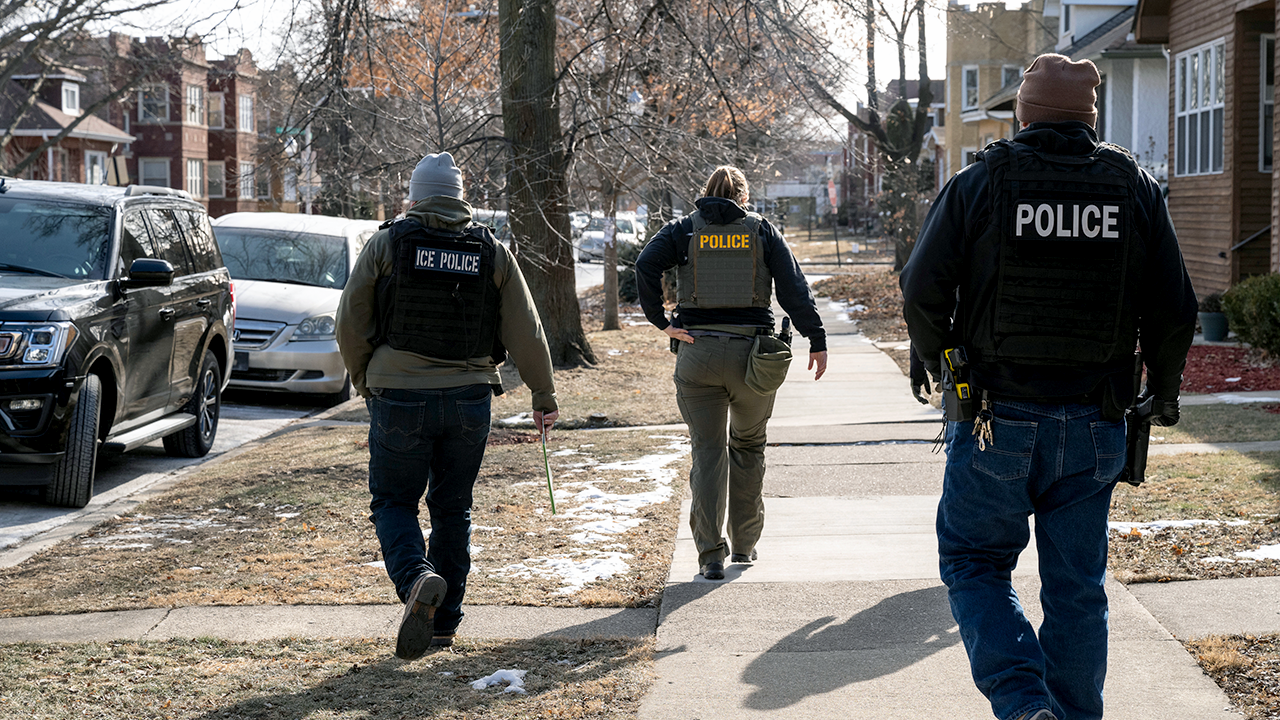
America’s safest cities reveal a complex relationship between immigration enforcement policies, wealth, and community design. According to a recent U.S. News & World Report analysis, many of the nation’s ten safest cities are located in jurisdictions that actively cooperate with Immigration and Customs Enforcement (ICE), often through formal 287(g) agreements that allow local law enforcement to work directly with federal immigration authorities. However, the picture is nuanced, as these communities also share other characteristics – notably high median incomes and residential zoning patterns that minimize mixed-use development and transient housing – suggesting multiple factors contribute to public safety outcomes beyond immigration enforcement alone.
Johns Creek, Georgia, crowned America’s safest city, exemplifies this pattern. Located in Fulton County but distinct from the higher-crime environment of Atlanta, Johns Creek operates under Georgia’s Criminal Alien Track and Report Act of 2024, which mandates local-federal cooperation in immigration enforcement. Governor Brian Kemp made the state’s stance clear: “If you are in our country illegally and committing crimes, you have no place in Georgia.” This legislative approach, enacted following the high-profile murder of Laken Riley, requires municipalities to establish agreements with federal authorities and threatens to withhold state funding from jurisdictions that fail to pursue such cooperation. The city’s safety ranking seems to support proponents of strict immigration enforcement policies, though its affluence (with low poverty rates and controlled development) likely plays a significant role as well.
The picture becomes more nuanced when examining cities like Centreville, Virginia, and Newton, Massachusetts. Centreville, ranked second safest, presents an interesting case as it exists within Fairfax County, where the prosecutor’s office has made headlines for its reluctance to comply with ICE detainers. Until January 2024, Virginia maintained a 287(g) agreement under Republican Governor Glenn Youngkin, which Democratic Governor Abigail Spanberger subsequently reversed. Similarly, Newton, Massachusetts, ranked third, operates under a “welcoming city” ordinance that limits cooperation with ICE. Both cities, along with eighth-ranked Sammamish, Washington, demonstrate that communities can achieve high safety ratings despite policies that restrict local-federal immigration enforcement cooperation. These exceptions share important characteristics with their more ICE-cooperative counterparts: low poverty rates, limited mixed-use development, and higher median incomes, suggesting economic factors may be equally influential in determining safety outcomes.
The remaining cities on the safest list predominantly fall under some of the nation’s most robust pro-cooperation frameworks. Flower Mound, Texas (ranked tenth), operates in Denton County, which pioneered the shift from the passive “jail model” of ICE cooperation to the more active “task force model,” allowing designated officers to detain individuals suspected of federal immigration violations. Sheriff Tracy Murphree’s philosophy is straightforward: “It’s what we do — we enforce the law and it’s the law of the land.” Similarly, Florida cities Homosassa Springs (fifth) and Weston (ninth) operate under the state’s TRUMP Act of 2025 (Tackling and Reforming Unlawful Migration Policy), which implements stringent cooperation requirements regardless of local political leanings. The legislation effectively standardizes immigration enforcement approaches across politically diverse counties, from Republican-leaning Citrus County to Democratic-leaning Broward County.
Indiana’s Carmel and Fishers (ranked seventh and sixth respectively) demonstrate how state-level policies can influence local safety outcomes. Both Hamilton County suburbs operate under Indiana’s Senate Enrolled Act 181, which empowers the state attorney general to sue localities that refuse to enforce immigration laws. Governor Mike Braun has established a 287(g) task-force model for state police patrolling interstates near these Indianapolis suburbs. Meanwhile, Rochester Hills, Michigan (ranked fourth), benefits from Oakland County Sheriff Michael Bouchard’s long-standing cooperation with ICE, including participation in biometric information-sharing programs to identify unauthorized immigrants. When mistakenly included on a list of non-cooperative jurisdictions during the Trump administration, county officials quickly clarified: “We are not a sanctuary jurisdiction.”
The national landscape of immigration enforcement cooperation spans 39 states plus Guam, all of which have at least one agency maintaining a 287(g) agreement with ICE. By contrast, Washington, Oregon, California, Illinois, New Jersey, and Connecticut have implemented state laws limiting such cooperation. The complex interplay between immigration policies, economic factors, and community design in America’s safest cities reflects the ongoing debate about public safety approaches. While the data suggests a correlation between ICE cooperation and safety rankings, the presence of several highly-ranked cities with limited cooperation policies indicates that multiple factors contribute to community safety outcomes. The debate continues over whether immigration enforcement plays a decisive role in public safety or whether economic factors and development patterns might be equally or more influential in creating America’s safest communities.