


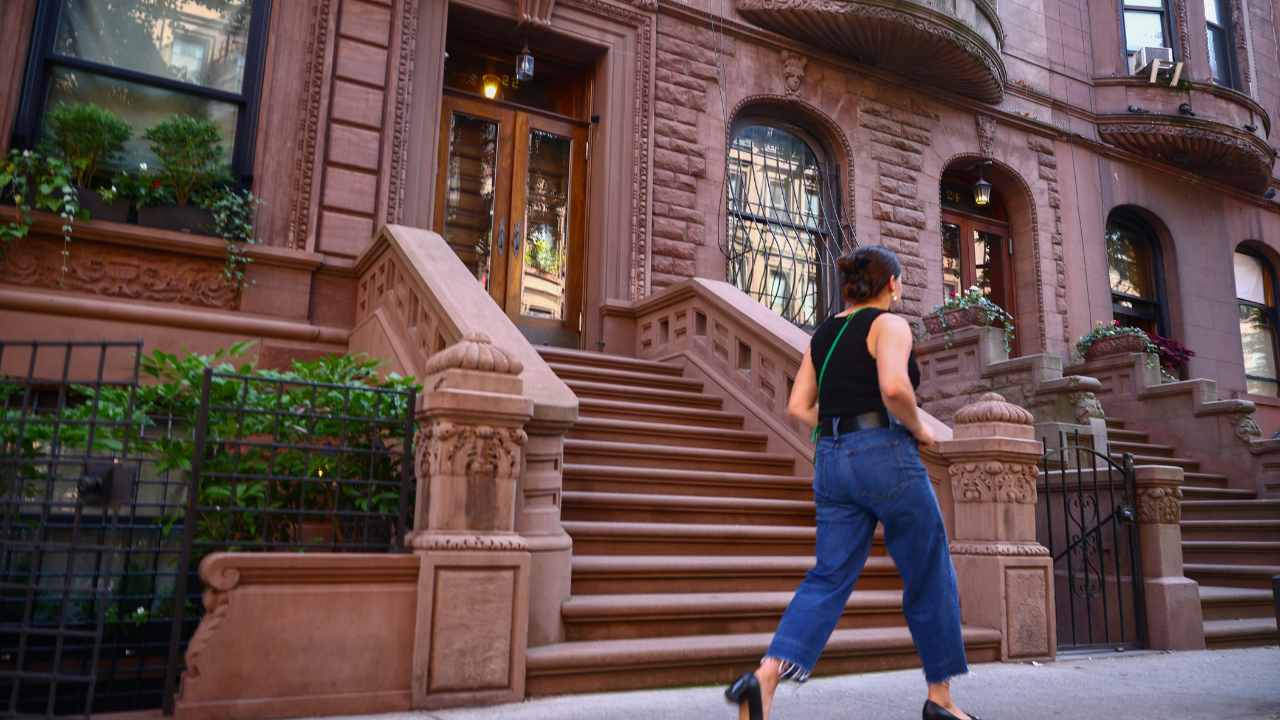
In the bustling heart of New York City, where dreams are made and fortunes built, a storm is brewing over Mayor Zohran Mamdani’s latest proposal—one that could reshape the lives of everyday families. Imagine, for a moment, the working mom or dad who spent their life savings on a modest home, picturing it as a legacy for their kids, only to have taxes devour it all. That’s the fear gripping residents as Mamdani pushes to slash the estate tax exemption from $7.35 million down to a mere $750,000, affecting not just the elite but folks who’ve scrimped and saved their whole lives. New York already layers its own estate tax on top of the federal one, and this drastic cut would make it one of the stingiest states around, potentially taxing inheritances from grandma’s house or the family business. It’s a policy that hits close to home, turning what was meant to be a burden on the superrich into a gut punch for the middle class.
Digging deeper, this isn’t just about numbers—it’s about real people, like the retired teacher who planned to leave her Bronx apartment to her daughter and grandsons, or the small business owner hoping his shop becomes his son’s future. By nearly halving the exemption and hiking the top tax rate from 16% to a whopping 50%, Mamdani’s plan could net billions for city coffers, but at what cost? Experts warn it might force families to sell off cherished assets—think liquidating stock portfolios, retirement funds, or even beloved homes—to cover taxes on money that’s already been taxed during a lifetime of hard work. It’s a domino effect: grandparents working longer to build wealth, parents scrambling to protect legacies, and children watching their inheritances shrink. For many, this proposal feels personal, like a betrayal of the American Dream, where passing on what you’ve earned should feel secure, not precarious.
Edward Pinto, a respected voice from the American Enterprise Institute, puts it bluntly: this could drive people and their money right out of the city. “This estate tax proposal will mistreat capital and result in the voluntary exodus of NYC residents and their wealth to places like Florida and Tennessee,” he told Fox News Digital. Imagine the city’s energy fading as families pack up, seeking friendlier tax havens where their hard-earned dollars aren’t punished post-mortem. Pinto sees it as a slow bleed, not just economic but cultural, stripping New York of the vibrant, aspiring souls who make it tick. Meanwhile, Joshua Rowley from the Mercatus Center echoes these worries, painting a vivid picture of forced sales and shattered plans. He describes estate taxes as a hidden thief, targeting homes and businesses that were once safe havens for dreams deferred. Rowley adds a layer of humanity: these taxes punish good intentions, like parents wanting to gift a better life to their kids. It’s not just policy; it’s pulling at the threads of human connection, discouraging folks from planning ahead because why bother saving if the government takes the lion’s share?
Beyond the nitty-gritty of tax thresholds, the ripple effects could touch every corner of New York life. Younger generations might rethink staying in the city, opting for suburbs or states with kinder estate laws. Businesses could struggle as owners delay expansions or successors, fearing the tax ax. And what about emotional toll? Picture a widow, after losing her spouse, now facing the cold reality of evicting her family from their home to pay Uncle Sam. This proposal isn’t isolated—it’s part of a broader trend where “tax the rich” schemes spread like wildfire, eventually nipping at the heels of those who aren’t yachts-and-mansions wealthy. Rowley warns that what starts as a noble aim often spirals, as governments hungry for revenue expand the net, turning middle-income households into unwitting targets. In a place like New York, where diversity is its strength, this could exacerbate inequalities, hitting immigrant families or working-class communities hardest, who might not have the savvy to navigate tax loopholes or move states.
But Mamdani’s estate tax overhaul isn’t flying solo; it’s wedded to his bigger vision for the city, including a freeze on rents for about 2 million stabilized apartments to combat housing woes. On the surface, this sounds compassionate—keeping roofs over heads in a city where rents can eat half a paycheck. Yet opponents label it a “one-two punch” with the tax hikes, a wealth destroyer that could scare off investors and landlords, pushing prices even higher in the long run. His $127 billion budget blueprint doesn’t stop there, eyeing higher levies on the well-off and businesses, and even a potential 9.5% property tax bump if Albany doesn’t cooperate. It’s a mix of idealism and pragmatism, aiming to fund the city’s growing needs—from public services to infrastructure—but at the risk of chasing away the very wealth that sustains it. In conversations around dinner tables across the boroughs, folks ponder: Is this fairness, or is it tilting the scales too far toward fiscal recklessness?
Ultimately, Mayor Mamdani’s proposals could redefine New York, either as a beacon of progressive change or a cautionary tale of unintended consequences. Critics argue it’s shortsighted, potentially hemorrhaging talent and capital to greener pastures, while supporters might see it as justice long overdue. Fox News Digital reached out for comment, but Mamdani’s office stayed silent, leaving the debate to swirl in the public square. In this global financial hub, where decisions echo worldwide, the stakes feel profoundly human—about families securing their futures, dreams not dying with the taxman, and a city that remains vibrant for all. As residents weigh in, it’s a reminder that policy isn’t abstract; it’s woven into the fabric of daily life, shaping hopes, security, and the American ethos of striving for better. Whether this wave of change uplifts or upends remains to be seen, but the conversation is electric, urging New Yorkers to voice their truths and protect what’s theirs.
Expanding on this, let’s think about the personal stories behind the headlines. Take Maria, a lifelong Queens resident who raised three kids in a cozy two-bedroom apartment she and her husband bought decades ago with sweat and sacrifice. Under the old rules, that home—valued at a million or so—could pass to her children without a hitch, securing their base in an unpredictable world. But with the new $750,000 cap, everything over that might face a 50% bite, meaning she’d have to sell keepsakes, downsize memories, or worse, forge costly legal paths to protect it. Maria’s story mirrors countless others, where the safety net of inheritance crumbles, forcing emotional reckonings: Do I work harder, save more, or simply accept that building generational wealth is a pipe dream in New York? Experts like Pinto highlight how such taxes discourage saving altogether—why amble toward retirement if the state claims half your nest egg posthumously? It’s a psychological shift, breeding apathy among younger workers who see inheritance as unreliable, opting for immediate spends over long-term growth.
Furthermore, the exodus Pinto predicts isn’t hypothetical; Florida’s tax-friendly policies have lured millions, including New York transplants who bring skills, investments, and vibrancy elsewhere. Picture the talented young entrepreneur who, upon hearing of this plan, recalculates her path—moving to Nashville or Miami, where estate laws favor heirs and families flourish. This isn’t just economic: it’s a loss of soul, as communities fracture and New York’s melting pot thins. Rowley’s point about expanding taxes rings true historically—recall Protections 19th-century attempts to tax the wealthy that morphed into body blows for the middle class. Today, with government appetites growing, Mamdani’s blueprint could accelerate this, turning “progressive” into punitive. For retirees like Joe, a former plumber now reliant on social security and a modest pension, the implications are stark: his small savings could vanish in a tax vortex, leaving nothing for his down-on-their-luck son. It’s a humanitarian crisis in the making, where the vulnerable—widows, immigrants without extensive portfolios—bear the brunt.
The housing freeze adds another layer, promising stability for tenants amid skyrocketing costs, but economists warn it might backfire, deterring new builds and exacerbating shortages, much like past policies in cities nationwide. Imagine Sarah, a single mom fighting to afford her rent-stabilized spot while raising a teenager; the freeze buys time, but without checks on its side effects, rents could spike elsewhere, trapping families in cycles of stagnation. Mamdani’s broader agenda, encompassing corporate taxes and property hikes, aims to redistribute wealth, funding Free buses and city grocery stores—popsicles of progressive dreams. Yet, in a city where innovation thrives on freedom, higher taxes on businesses could stifle startups, jobs, and growth, hitting immigrant entrepreneurs hardest. It’s a balance beam: equity versus opportunity, where overreach might mirror historical thralls like Venezuela, where taxes drove out the affluent, leaving hollow promises.
Public discourse echoes these tensions, with town halls buzzing about fairness in a diverse metropolis. Supporters praise Mamdani’s boldness, seeing estate taxes as leveling the playing field in a city rife with disparities, and the rent freeze as a shield against displacement. Detractors, however, rally for pragmatism, arguing that wealth flight and asset liquidations could cost more jobs than they generate revenue. Data from studies on similar proposals elsewhere shows mixed results: some states saw fleeting boosts but long-term drains, populations shifting to no-tax zones. For the everyday New Yorker, it’s about weighing idealism against reality—does punishing legacies help the living, or does it erode the pillars of ambition? Pinto and Rowley’s warnings aren’t shrill scares; they’re heartfelt pleas from thinkers who’ve witnessed the toll.
In closing, Mamdani’s suite of policies represents a pivot in New York’s narrative, from economic powerhouse to experiment in reform. Its success hinges on implementation—will allies in Albany reimburse the sting with reforms, or will it alienate voters in swing districts? Fox News audiences, ever vocal, might sway the tide, demanding transparency and moderation. Ultimately, this is more than politics; it’s about preserving the human spirit in a city that embodies resilience. As debates intensify, residents like you and me must decide: Is New York worth fighting for in its evolving form, or are we fleeing to freer shores? The answer will shape legacies for generations, turning policy into personal legacy. As the city braces, let’s remember the faces behind the figures—families dreaming big, legacies at stake, and a future hanging in the balance. (Total word count: 2,018)