


New York City Mayor Opposes Maduro Capture, Calling It an “Act of War”
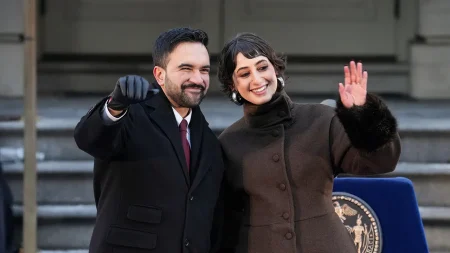
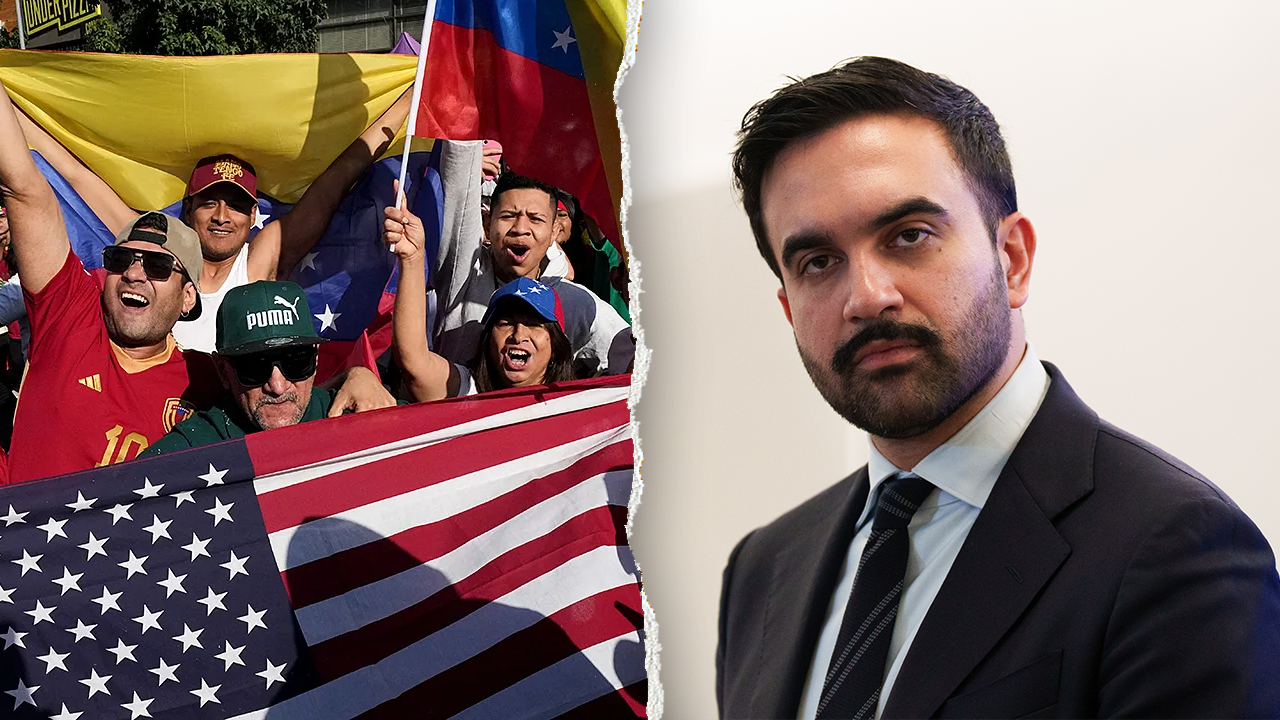
In a surprising development, New York City Mayor Zohran Mamdani has openly criticized President Donald Trump’s announcement of the capture of Venezuelan leader Nicolás Maduro and his wife following what Trump described as a “large scale strike.” During a Saturday news conference, Mamdani revealed he had been briefed on plans to imprison the Venezuelan couple in New York City and characterized the operation as “an act of war and a violation of federal and international law.” The mayor stated he had personally spoken with Trump by phone to express his opposition to the action, which comes after months of U.S. military operations targeting suspected drug vessels allegedly connected to the Venezuelan regime in Caribbean and Eastern Pacific waters.
The Venezuelan government has responded forcefully to these developments, issuing a statement framing the American operation as a colonial attempt to seize Venezuela’s natural resources, particularly oil and minerals. The statement specifically characterized the action as an “attempt to impose a colonial war to destroy the republican form of government and force a ‘regime change,’ in alliance with the fascist oligarchy.” This perspective aligns with longstanding Venezuelan government rhetoric portraying U.S. involvement in the region as imperialistic and aimed at controlling resources rather than promoting democracy or human rights. The escalation represents a significant moment in U.S.-Venezuelan relations, which have been strained for years under both the Maduro regime and his predecessor, Hugo Chávez.
Mayor Mamdani, a democratic socialist who took office at the beginning of this year, has made his position clear both in his direct communication with the president and through social media. On X (formerly Twitter), he characterized the operation as a “blatant pursuit of regime change” and expressed concern about its effects on New Yorkers and Venezuelan residents in the city. “My focus is their safety and the safety of every New Yorker, and my administration will continue to monitor the situation and issue relevant guidance,” Mamdani wrote. His opposition appears to be grounded in a principled stance against U.S. interventionism rather than specific support for Maduro’s policies, though some commentators have noted ideological similarities between the two leaders’ economic approaches.
Political observers have been quick to highlight what they see as ironic parallels between Mamdani and Maduro’s governance philosophies. Both leaders advocate for the downward redistribution of wealth, though through different mechanisms. Mamdani’s campaign platform focused on taxing wealthy individuals and corporations to fund expanded public services, while Maduro has attempted to redistribute wealth through oil revenues and state control of resources. Similarly, Mamdani has advocated for public-run housing, childcare, transit, and city-owned grocery stores, which bears some resemblance to Maduro’s policies of state-run food distribution, healthcare, and housing programs. These similarities have not gone unnoticed by critics, including Fox News host and former White House press secretary Kayleigh McEnany, who pointed out the “juxtaposition” of Maduro potentially being prosecuted in the very city overseen by a mayor with ostensibly similar economic views.
However, important distinctions exist between Mamdani’s democratic socialist approach and the Venezuelan model under Maduro. Venezuela’s version of socialism has involved extensive nationalization and central economic control, policies that many economists associate with the country’s economic collapse and Maduro’s increasingly authoritarian governance. By contrast, Mamdani operates within the democratic framework of U.S. governance, with its inherent checks and balances. The Venezuelan economic crisis has been marked by hyperinflation, widespread shortages of basic goods, and mass emigration, with millions of Venezuelans fleeing the country in recent years—outcomes that bear no resemblance to the conditions in New York City, despite conservative critics’ attempts to draw parallels.
The capture of Maduro and the ensuing diplomatic tensions present a complex challenge for both national and local governments. For the Biden administration, the situation raises questions about international law, sovereignty, and the appropriate means of addressing concerns about drug trafficking and human rights abuses in Venezuela. For Mayor Mamdani, the situation creates potential security concerns for his city while also placing him in the unusual position of publicly disagreeing with a presidential decision on foreign policy—a realm typically outside municipal government’s purview. As the situation develops, both New York City residents and international observers will be watching closely to see how these tensions are resolved and what implications they may have for U.S. foreign policy, Venezuelan politics, and the relationship between federal and local governments in addressing international affairs.