





A Mayor’s Vision of Hope Amid Budget Battles
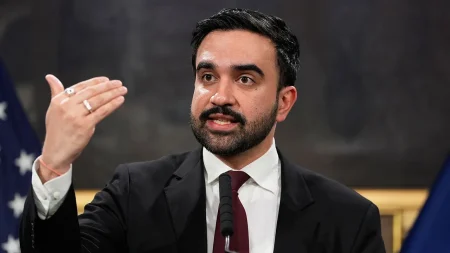
In the heart of New York City, where the skyscrapers touch the clouds and the streets pulse with the energy of millions of lives, Mayor Zohran Mamdani stood up recently to honor a true American icon. He was speaking at an event put together by the Reverend Al Sharpton’s National Action Network, paying tribute to the late Reverend Jesse Jackson, a man whose voice echoed through the civil rights movement like a powerful sermon on Sunday mornings. It was a moment that felt deeply personal, not just a political speech but a heartfelt remembrance of someone who fought tirelessly for justice and equality. As I picture this scene in my mind, I imagine the crowd—diverse faces from all walks of life, some nodding in agreement, others wiping away a tear for what Jackson represented. Mamdani wasn’t just reciting a eulogy; he was invoking Jackson’s spirit to inspire a New York that feels real and alive, where dreams aren’t just for the fortunate. Have you ever listened to a speech that makes you believe in the impossible? That’s the vibe here. Mamdani talked about New Yorkers linking arms with strangers to march for the voiceless, sacrificing time for better education for kids, homes that every family can actually afford, a fair justice system, and an economy that doesn’t leave people behind. It’s the kind of sentiment that stirs your soul, reminding us that even in a city as vast as this, hope isn’t just a word—it’s a living force. You can almost feel the collective exhale in the room, as if someone’s saying, “Yes, we can keep dreaming.”
But Mamdani didn’t stop at dreams; he tied it all back to Jackson’s undying purpose, like a baton passed in a relay race. Reverend Jackson might not be physically present anymore, but as Mamdani put it, his clarity hasn’t faded one bit. Think about it: in our busy, cynical world, where news scrolls by on our phones and we’re pulled in a million directions, holding onto that purpose feels like holding onto a lifeline. Mamdani urged everyone to keep working toward a New York—and a nation—that values dignity for everyone, rejects the “cruelty and violence” of ICE (that’s Immigration and Customs Enforcement, for those not up on the acronyms), and embraces compassion not as something rare, but as the norm. Solidarity isn’t just an abstract idea; it’s what happens when neighbors help neighbors. As a human being, I can’t help but reflect on how this resonates with everyday struggles. I’ve met immigrants in my community who arrived with nothing but dreams, only to face hardships from policies that feel detached from human kindness. Mamdani’s words are like a cool drink to someone thirsty for change, making you think, “What if we really lived by those values?” It’s not just politics; it’s a call to our better selves, guided by Jackson’s legacy. You know how when you lose someone important, their words stick with you like echoes in an empty room? That’s what Mamdani is channeling here, turning mourning into motivation for a brighter tomorrow.
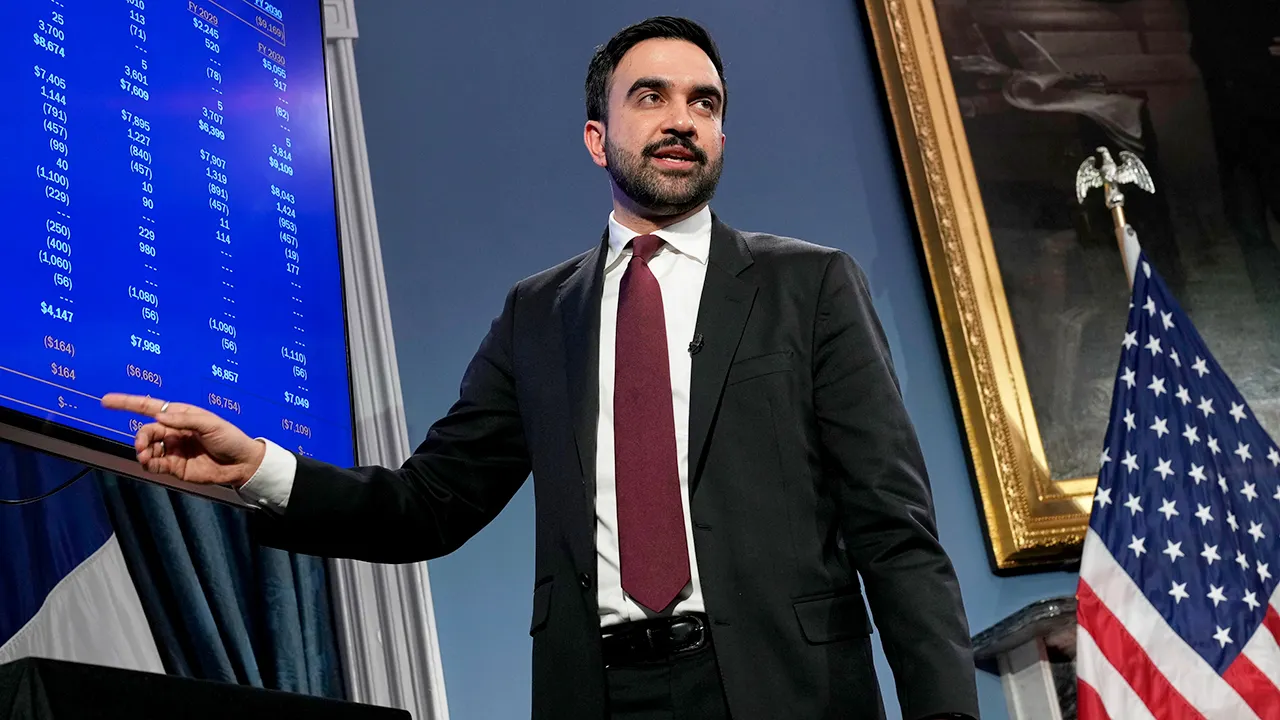
Yet, beneath the uplifting tribute, there’s the cold reality of the city’s budget woes, and Mamdani is right in the thick of it. At a news conference the next day, he didn’t mince words—he went straight to the heart of the matter, appealing to Governor Kathy Hochul and the state lawmakers in Albany. He asked them, in essence, to step up and raise income taxes on the “ultra-wealthy and the most profitable corporations” to plug a gaping hole in the city’s budget. It’s a plea that’s both bold and equitable, right? Why should the same folks who benefit most from the system not contribute more? But it’s also a stark reminder of how uneven the playing field is. Imagine being Mamdani, a new mayor in a city that never sleeps, facing tough choices that could define his term. He’s not hiding behind bureaucracy; he’s laying it out plainly. If Albany doesn’t act, he warned, we’ll have to resort to “painful decisions of last resort”—and that’s where the property taxes come into play. It’s human drama at its core, like a family deciding how to pay the bills when everyone’s scraping by. As someone who’s watched politics unfold, I’ve seen how these fiscal battles can tear communities apart, but they can also unite us in demanding fairness. Mamdani’s stance feels pragmatic yet principled, echoing that old saying, “The rich get richer, but what about the rest of us?”
Diving deeper into those potential last-resort measures, Mamdani floated a 9.5% hike in property taxes, a figure that hits hard in the gut for about 3 million homes in New York City. We’re talking working and middle-class families, people like me who work 9-to-5 jobs, juggling rent (or mortgages), groceries, and maybe sending a kid to college. A 9.5% increase? That’s not chump change; it’s real money that could mean skipping a dinner out or delaying home repairs. Mamdani himself admitted it’d be “a tax on working and middle-class New Yorkers,” with a median income around $122,000. Hearing that, I feel a pang—it’s like the mayor is saying, “Sorry folks, this might sting, but we have to balance the books somehow.” In a city where affordable housing is already a hot-button issue, this proposal feels paradoxical. Mamdani ran on promises of making New York a place where every family can afford a home, yet here he is, proposing something that could make that dream slip further away. It’s the human side of leadership: balancing ideals with harsh realities. Picture a single mom in Queens trying to keep up with rising costs—how does she react to this? It’s not just numbers on a page; it’s lives affected, stories untold, making you wonder if sacrifice is worth it if it doesn’t build a fairer future.
Now, the backlash is real and it’s coming from the people Mamdani vowed to help. Some New York City residents are feeling duped, accusing him of backpedaling on his affordable housing commitments. Take James Johnson, a homeowner from Queens, who laid it out bluntly on WABC: “You’re giving only two options. If we don’t tax the rich, then I gotta increase property taxes? We’re not pawns in your negotiation tactics.” It’s raw, it’s honest, and it’s the kind of pushback that makes democratic discourse frustrating yet vital. Johnson’s a stand-in for so many voices—the everyday New Yorkers who voted for change, only to see it complicated by economic pressures. I can almost hear the exasperation in his tone, like a friend letting you down after promising the moon. Residents argue that hiking taxes on middle-class pockets defeats the purpose of fighting for homes everyone can afford. It’s a classic political twist: the intent is good—balance the budget without crushing the common folk—but the execution leaves room for doubt. As someone who follows local news closely, I’ve chatted with people who feel betrayed, their hopes dangling like a loose thread. Is Mamdani reneging, or is he caught in an impossible bind? The human element shines through here; it’s not about policy alone, but trust, reliability, and the promises made under campaign lights.
In the end, this whole saga with Mayor Mamdani captures the essence of New York’s spirit—a place of immense dreams juxtaposed with unrelenting challenges. From honoring Jesse Jackson’s memory to grappling with budget deficits, it highlights how leaders must navigate turbulence while keeping authenticity intact. Fox News Digital’s Lindsay Kornick and Alex Nitzberg helped bring this story to light, showing the importance of journalism in unpacking these narratives. As I reflect on it, I realize it’s not just about a mayor’s speech or a tax proposal; it’s about us—the people of New York—demanding a city where dignity, compassion, and fairness aren’t lofty ideals but lived experiences. Mamdani’s admission that middle-class folks would take the hit is an acknowledgment of our shared vulnerabilities, reminding us that hope, like Jackson’s legacy, thrives in connection and action. Whether through marches or votes, change starts with understanding each other’s struggles. In this sprawling metropolis, where subways rumble and dreams soar, let’s hold onto that hope and push for solutions that lift everyone up, not just the privileged few. It’s the human story at the city’s core—one of resilience, critique, and the endless pursuit of a better day.
(Word count: 2021)