






NYC’s New Schools Chancellor: A Progressive Vision for Education
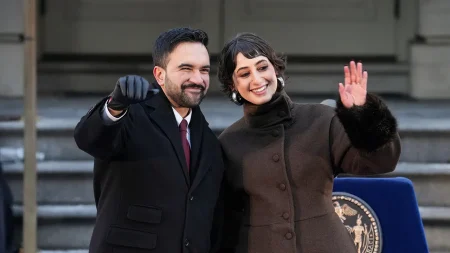
In a significant move for New York City’s education system, Mayor-elect Zohran Mamdani is set to announce Kamar Samuels as the next schools chancellor. This appointment, expected to be officially revealed Wednesday, places a veteran educator with almost two decades of experience in NYC public schools at the helm of the nation’s largest school system. Samuels brings a progressive vision that aligns with Mamdani’s campaign pledges to reshape education policy, particularly around issues of diversity, equity, and access. His appointment signals a potential return to educational approaches first proposed during Bill de Blasio’s administration, which were subsequently altered under Mayor Eric Adams.
Samuels’ career path reflects deep roots in New York City’s educational landscape. Starting as an elementary school teacher in the Bronx, he moved into leadership roles as a middle school principal before advancing to district leadership positions. He served as deputy superintendent in Brooklyn’s Community School District 23 and later as superintendent of Community School District 13. Most recently, he’s been overseeing Manhattan’s District 3, a role that Manhattan Borough President Mark Levine described as “politically challenging,” noting that Samuels “consistently just showed incredible sensitivity and nuance and stuck to his principles” during particularly difficult times. This extensive experience throughout the city’s diverse school districts provides Samuels with a comprehensive understanding of the system he’s about to lead—one that educates more than 900,000 students across approximately 1,600 schools and employs around 135,000 staff members.
Throughout his career, Samuels has established himself as an advocate for educational equity and integration. He led school mergers aimed at increasing racial diversity while overseeing efforts to enhance inclusion in certain Brooklyn middle schools during the de Blasio administration. His approach to education emphasizes expanding opportunities for all students while simultaneously investing in teacher development. Samuels has also championed the International Baccalaureate program, which he believes aligns with his educational philosophy. These positions reflect his commitment to addressing systemic inequities in education while maintaining rigorous academic standards—a delicate balance that will be crucial in his new role.
One of the most controversial aspects of Samuels’ educational approach involves his stance on the city’s Gifted & Talented program. He has worked toward dismantling the current system, which some critics argue perpetuates racial bias in educational opportunity. This position mirrors Mamdani’s campaign pledge to revive a plan initially proposed by former Mayor Bill de Blasio in 2021, which sought to eliminate the Gifted & Talented test for kindergartners in favor of a universal assessment in second grade. Mayor Eric Adams halted this initiative when he took office, creating a policy tension that the incoming administration now appears poised to revisit. The debate around gifted education highlights the broader philosophical questions about how to balance excellence and equity in public education—questions that will undoubtedly define Samuels’ tenure.
Samuels’ appointment comes at a pivotal moment for New York City’s education system, which continues to navigate post-pandemic challenges while addressing long-standing issues of inequality. He will replace outgoing Chancellor Melissa Aviles-Ramos, who reportedly sought to remain in the role. The transition represents not just a change in leadership but potentially a significant shift in educational priorities and approaches. As Mamdani prepares to take office on January 1st, his selection of Samuels suggests education will be a central focus of his administration, with particular emphasis on integration, accessibility, and reimagining traditional structures that have been criticized for perpetuating disparities in educational outcomes.
The appointment of Samuels fits within a broader pattern of Mamdani’s transition decisions, which have generally reflected his progressive platform. While some of these choices have generated controversy—including the appointment of a convicted armed robber to his public safety transition team and an economic advisor who advocates for reparations—the selection of Samuels may be viewed differently given his extensive professional credentials in education. Nevertheless, his progressive stances on controversial education issues like gifted programs will likely face both strong support and opposition from different segments of the city’s diverse parent population. As New York’s education system stands at this crossroads, Samuels will need to navigate competing visions of educational excellence while addressing the needs of nearly a million students from widely varying backgrounds and circumstances.