


New York City’s Housing Chief Under Scrutiny for Past Comments on Homeownership
Cea Weaver, recently appointed to lead New York City’s revived Mayor’s Office to Protect Tenants by Mayor Zohran Mamdani, has drawn attention for controversial statements about homeownership made before taking office. During a September 2021 appearance on the “Bad Faith podcast,” Weaver expressed views that have raised questions about her approach to tenant policy in her new role. Her comments focused on what she perceives as tensions between homeowners and renters in the housing justice movement, suggesting that middle-class homeownership presents obstacles to meaningful housing reform.
The appointment, announced on January 1 through an executive order signed by Mamdani, places Weaver in a position of significant influence over New York City’s tenant policy and enforcement mechanisms. During the 2021 podcast discussion about eviction policies and organizing strategies, Weaver argued that resistance to progressive housing reforms often comes not from large corporate landlords but from individual homeowners. “I think the reality is that a lot of the people who are pushing back on the eviction moratorium and more rental assistance are not corporate landlords,” she stated. “They are homeowners who feel as though an eviction moratorium is an attack on their rights as a property owner.” More pointedly, she claimed that “White, middle-class homeowners are a huge problem for the renter justice movement,” a statement that has now become a focal point for critics of her appointment.
Weaver’s comments went beyond identifying obstacles to include suggestions about fundamentally changing American housing structures. She argued that homeownership has become the primary source of stability in America largely because of inadequate social programs, and suggested this reality creates difficulties for housing organizers. “Unless we can undermine the institution of homeownership and seek to provide stability in other ways, it’s a really difficult organizing situation we find ourselves in,” she remarked during the podcast. She characterized evictions as primarily a power issue rather than an economic one, suggesting that landlords resist the concept that tenants could remain in properties the landlords “consider themselves to own.” These perspectives align with her advocacy for policies including universal rent control, tenant unions, eviction prevention, and increased taxes on wealthy individuals to fund rental assistance programs.
Further complicating matters are past social media posts by Weaver that have resurfaced since her appointment. In a now-deleted August 2019 post on X (formerly Twitter), she wrote that “private property including and kind of ESPECIALLY homeownership is a weapon of white supremacy masquerading as ‘wealth building’ public policy.” This statement, along with her podcast remarks, has prompted questions about how her personal views might influence her approach to tenant policy in New York City. Critics suggest her positions reveal a fundamental skepticism about private property rights, while supporters view her comments as addressing systemic inequities in housing access and affordability that disproportionately impact communities of color and low-income residents.
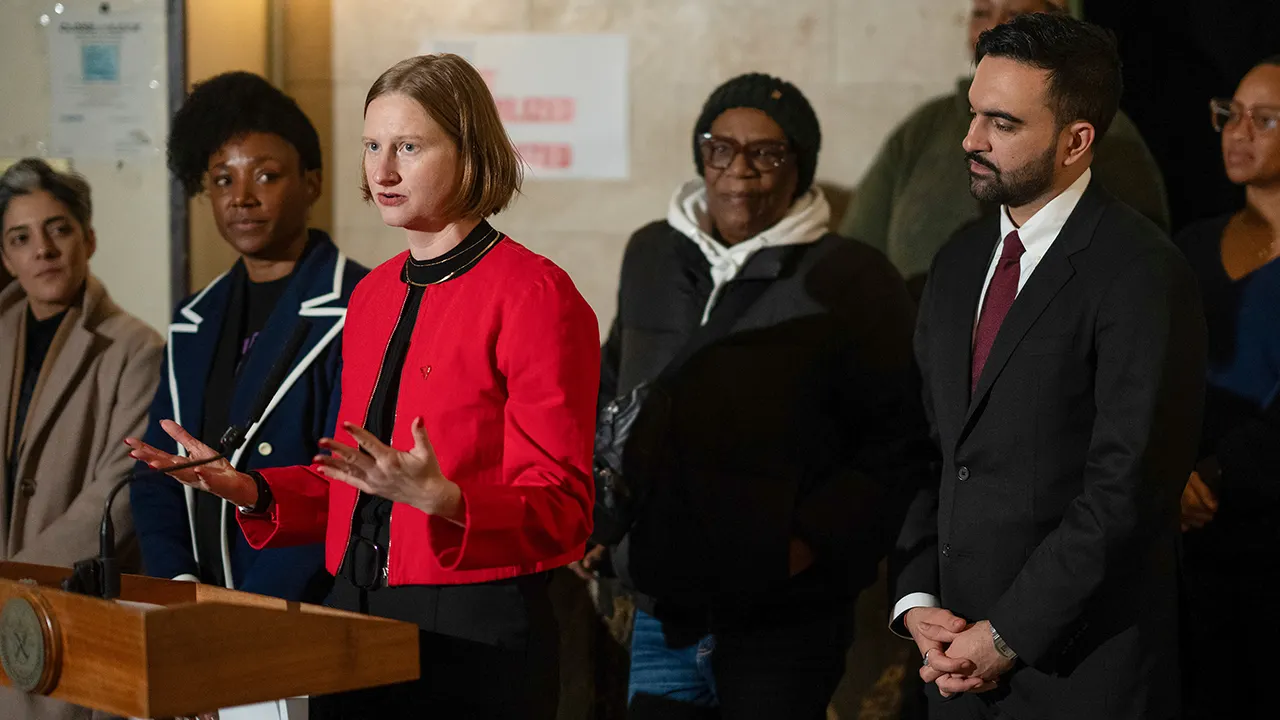
On her first day in office, Weaver demonstrated her focus on tenant protection by joining Mayor Mamdani in announcing city intervention in the bankruptcy proceedings of Pinnacle Group, a landlord with a history of housing violations and tenant complaints. This action aligns with the stated mission of the Mayor’s Office to Protect Tenants, which aims to coordinate enforcement against negligent landlords and strengthen tenant protections. However, the controversy surrounding her past statements has created questions about the broader philosophical approach the office will take under her leadership, particularly regarding the balance between tenant rights and property ownership.
The situation highlights growing tensions in urban housing policy between traditional views of property rights and more progressive approaches to addressing housing inequity. While Weaver’s supporters might argue her comments reflect a necessary critique of housing systems that have historically excluded marginalized groups, her critics see potential threats to private property rights and homeownership as a wealth-building strategy. Mayor Mamdani’s office has not responded to questions about whether he stands by Weaver’s 2021 remarks, leaving open questions about how aligned the administration is with her previously expressed views on homeownership. As New York City continues to face acute housing challenges, including affordability crises and tenant displacement, Weaver’s leadership of this office will be closely watched for signs of how these philosophical positions might translate into concrete policy actions.