






The Looming Shadow of Another Government Shutdown
Imagine waking up on February 1st to a country where essential services start grinding to a halt—not because of some natural disaster or worldwide crisis, but because a handful of politicians in Washington can’t agree on how to fund the very departments that keep our nation running. This isn’t science fiction; it’s the potential reality staring at America right now, just weeks after lawmakers dodged a bullet with a 43-day shutdown in October. Back then, political standoffs over healthcare demands left hundreds of thousands of federal workers twisting in the wind, missing paychecks and juggling bills while leaders debated. Now, Democrats have pulled back from a bipartisan funding deal for key areas like Defense, Homeland Security, Education, Transportation, Housing and Urban Development, and Health and Human Services. If there’s no deal by the deadline, those sectors could face severe disruptions—limited operations, paused services, and a domino effect of chaos that hits everyday Americans hardest. It’s frustrating to watch, especially when you think about how these shutdowns feel more like political theater than governance, with real lives at stake. Families depending on stable government functions are left wondering if this time around, the disruptions will be just as crippling or even worse. The October ordeal dragged on for nearly seven weeks, triggering a cascade of unpaid furloughs for certain employees, while others dodged the axe. This new potential standoff might be narrower in focus, but it’s still poised to rattle critical pillars of our daily lives. You can almost hear the collective sigh of relief when previous crises were averted, only for this new tension to build. It’s like being in a recurring nightmare, where each cycle exposes the cracks in our system a little more. Lawmakers are gridlocked, thumb-wrestling over budgets that affect everyone from our troops to the elderly on Medicare. And as the clock ticks, it’s ordinary citizens who pay the price in delayed flights, unpaid bills for heroes in uniform, and strained access to healthcare. This isn’t just policy; it’s personal.
Heroes in Uniform Left Hanging Again
Delve a bit deeper, and the human cost hits you right in the heart—think about our service members, the brave men and women who put their lives on the line for our country. In a government shutdown, they’re not spared; their paychecks could vanish, leaving families scrambling to make ends meet. Rep. Scott DesJarlais, a Republican from Tennessee and Armed Services Committee member, put it bluntly on Thursday: “Too often, our hardworking men and women—particularly those in the Armed Forces—have had their livelihoods held hostage by political shenanigans in Congress because of disagreements on unrelated issues.” It’s a stark reminder that politics often treats these protectors as bargaining chips. During the last shutdown, service members endured months without full pay, watching as their households faced eviction risks or skipped meals. Now,with Defense funding hung up, history might repeat itself. Echoing that sentiment, Rep. Austin Scott of Georgia added, “Our service members have already endured a Schumer-manufactured government shutdown and should not be put through another one.” These aren’t faceless figures; they’re neighbors, friends, parents. Imagine a young Marine dad calling home from overseas, promising holidays would be special only to hear his spouse say they’re living off credit cards because Uncle Sam isn’t footing the bill. The Pentagon won’t comment on when paychecks might be at risk, but the silence speaks volumes. For veterans themselves, it’s a bitter déjà vu—battlefields abroad are tough, but watching your government play games with your security afterward? That’s betrayal. Families across military towns like Fort Benning or Joint Base Andrews brace for the uncertainty, packing emergency funds and hoping for a miracle vote. The stress ripples outward, affecting morale, retention, and the very fabric of communities built on service. When politicians like DesJarlais call for an end to such tactics, it’s a plea for humanity over horse-trading. After all, these aren’t just employees; they’re the backbone of national security, deserving dignity in battle and beyond.
Flight Delays and Alaskan Winter Woes
Beyond the military, the ripple effects extend to the skies—literally—where airline and airport staff could face pay turmoil, echoing the October chaos. Transportation Security Administration (TSA) employees, tucked under the Homeland Security umbrella, were hit hard last time, leading to flight delays, cancellations, and safety hiccups as worn-out workers juggled side gigs to survive. Air traffic controllers, pilots, and ground crew aren’t paid during a shutdown for certain agencies, creating a snowball of travel nightmares. In a country that thrives on movement, these disruptions hit like a winter storm, stranding families, delaying urgent deliveries, and costing businesses millions. Rep. Nick Begich, Republican from Alaska, voices alarm for his rugged state, where aviation is lifeblood. “Our state depends on aviation for nearly everything,” he explained, highlighting Ted Stevens Anchorage International Airport, a global cargo hub. During a shutdown, a breakdown could mean a sick child in Utqiaġvik missing a lifesaving appointment in Anchorage, or remote villages enduring delayed food and medicine shipments for days. “Disruptions caused by a shutdown and short staffing raise real safety concerns in Alaska, especially during the winter months,” Begich added, painting a vivid picture of peril. Picture a pilot freezing in sub-zero winds, understaffed and exhausted, or an elderly resident in a snowbound town wracked with anxiety over delayed mail. Alaska’s imports, from fuel to pharmaceuticals, grind to a halt without steady flights, exacerbating isolation. Begich’s constituents aren’t abstract numbers; they’re diverse communities—Indigenous elders, fishermen, and families—whose survival hinges on reliable transport. The previous shutdown’s aftermath saw Alaska’s stats spike in inefficiencies, from canceled holiday trips to stalled economic rescues. Now, with another threat looming, travelers everywhere fret over itineraries, missing connections, and hidden fees from reroutes. It’s not just inconvenience; it’s about human connection. Couples at airports waving goodbye, business execs in boardrooms losing deals, or students separated from homes—each delay chips away at the trust in systems supposed to work seamlessly.
Healthcare Bottlenecks for the Vulnerable
Adding to the burdens, a shutdown could choke off vital healthcare services for the neediest Americans—those reliant on Medicaid and Medicare under the Health and Human Services funding package. In October, low-income families, seniors, and people with disabilities saw access bottleneck, with providers hesitant to offer care without guaranteed reimbursements. Now, with the HHS bill in limbo, history risks repeating, potentially halting payments for preventive exams, therapies, and life-sustaining treatments. Sen. Jack Reed, a Democrat from Rhode Island, urged reflection: “I think people should be weighing the consequences of the administration.” It’s a call to accountability, reminding us that politics decisions aren’t theoretical—they sculpt real outcomes. Envision a 65-year-old grandmother waiting in line at a clinic after missed rent payments because her Medicare premiums or subsidies are delayed. Or a single mom hustling to afford diapers for her disabled toddler, only to face denied services. These aren’t headlines; they’re human stories of resilience tested by bureaucracy. The elderly, often living on fixed incomes, could forfeit medications or doctor visits, worsening conditions like diabetes or mobility issues. Medicaid recipients, disproportionately from vulnerable demographics, might scrap support networks, pushing more into poverty traps. During the last shutdown, charity organizations and makeshift aid programs stepped in, but they can’t scale infinitely. Communities like inner-city neighborhoods or rural towns already struggling with healthcare deserts would suffer amplified strain, potentially increasing emergency room visits or untreated illnesses. Reed’s words echo a broader plea: voters deserve leaders who prioritize empathy over ideology. It’s about restoring faith in a system that’s supposed to protect the weakest links, ensuring that a mother’s hope for her child’s future isn’t derailed by political deadlock.
Battles Over Immigration and ICE Reforms
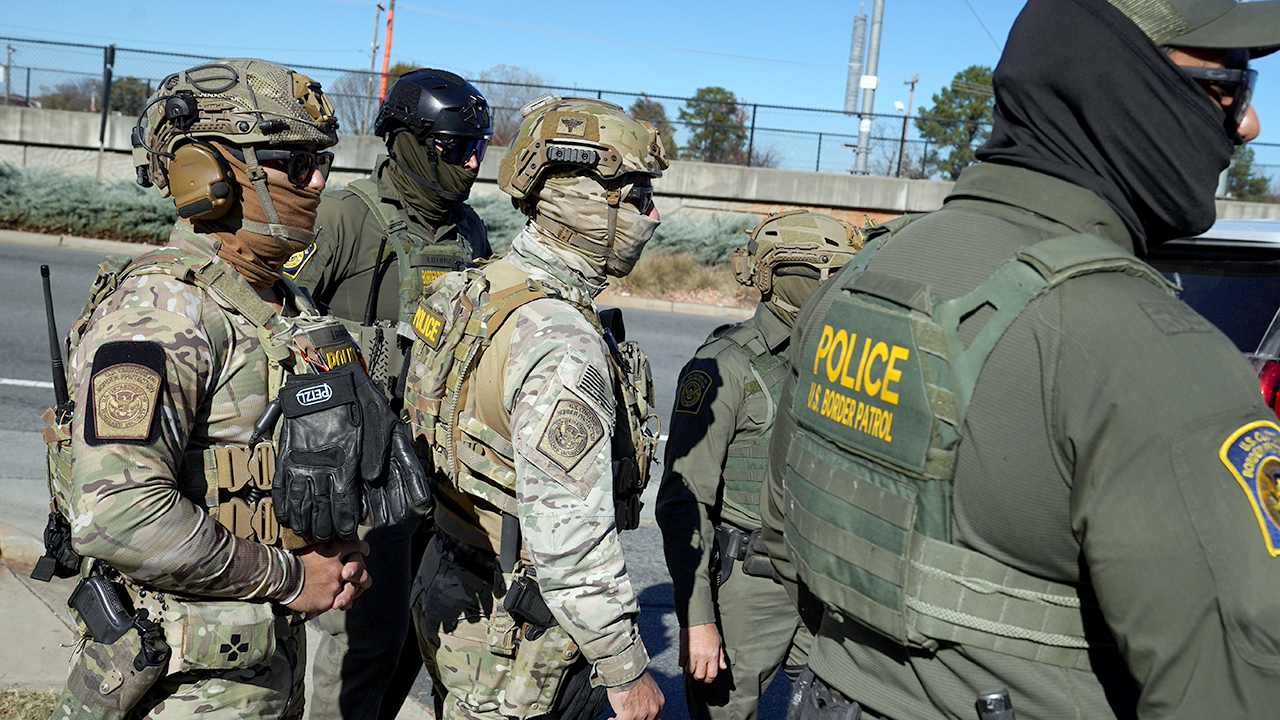
Zooming into the prickly core of this standoff, the four-bill spending package crumbled in the Senate on Thursday when Democrats and seven Republicans blocked its procedure. At the heart? Division over the Homeland Security portion, specially ICE (Immigration and Customs Enforcement). Democrats, led by Senate Minority Leader Chuck Schumer of New York, condition their support on reforms sparked by tragedies—like the fatal shooting of Alex Pretti in January, one of two deadly ICE-civilian clashes that month. They demand stricter warrant rules, no roving patrols, partnerships with local law enforcement, a uniform conduct code, a no-mask ban, and body cameras. These aren’t idle requests; they’re responses to harms that shattered lives. Schumer’s stance highlights a moral imperative for accountability, protecting communities from overreach. Without these changes, Democrats won’t fund DHS, risking disruptions to FEMA, TSA, and more, while immigration funding amazingly stays intact. It’s a targeted fight, where stories of immigrants’ fates intermingle with hardening lines on security. Think of Pretti’s family grieving, prompting nationwide outcry for reforms that prevent such losses. Yet, Republicans wrestle internal fractures: some gripe over the Trump-Schumer compromise, billions in earmarks bloating the bill, or repeal of a provision letting senators sue $500,000 for subpoenaed phone records in the Jack Smith Arctic Frost probe. This GOP discord showcases personal ambitions clashing with party loyalty, frustrating unity. Humanize it: lawmakers aren’t just suits in chambers; they’re people reflecting constituents’ fears. A border town resident worrying about cartel violence might oppose loosened ICE protocols, while an immigrant parent seeks sanctuary reforms. These tensions aren’t abstract policy wars; they’re lived experiences demanding balance. The upper chamber aims to finalize the modified package by Friday evening, sending it to the House for a vote that could avert disaster.
Calls for Common Sense and Looking Ahead
In a passionate appeal, Rep. DesJarlais suggested Democrats pursue their goals without risking government functionality. “It should stop,” he declared about the gridlock, urging tactics beyond social media wins and toward “plenty of other ways to achieve their policy goals.” It’s a heartfelt cry for pragmatism, reminding us that political animosity has human tolls. With the Senate hopeful for Friday’s wrap, this episode underscores how fragility lurks beneath America’s façade. Imagine the relief of affected employees if the bill passes—service members resuming pay, TSA staff flowing through airports, Alaskans restocking shelves, and seniors accessing care. But success hinges on compromise, breaking the cycle of hostage-taking. Future-proofing means scrutinizing leaders who treat shutdowns like strategies, not consequences. Voters can drive change by prioritizing empathy in elections. Stories from the last standoff warn us: prolonged uncertainty erodes trust, boosts anxieties, and strains families. Yet, each crisis births resilience, with communities rallying via volunteers or networks. As Fox News invites listeners into articles, perhaps audio versions can amplify voices of those impacted, fostering broader dialogue. Ultimately, this isn’t futility—it’s a call to action, weaving human threads into policy tapestry. Let’s hope Feb. 1 brings resolution, not regret.