







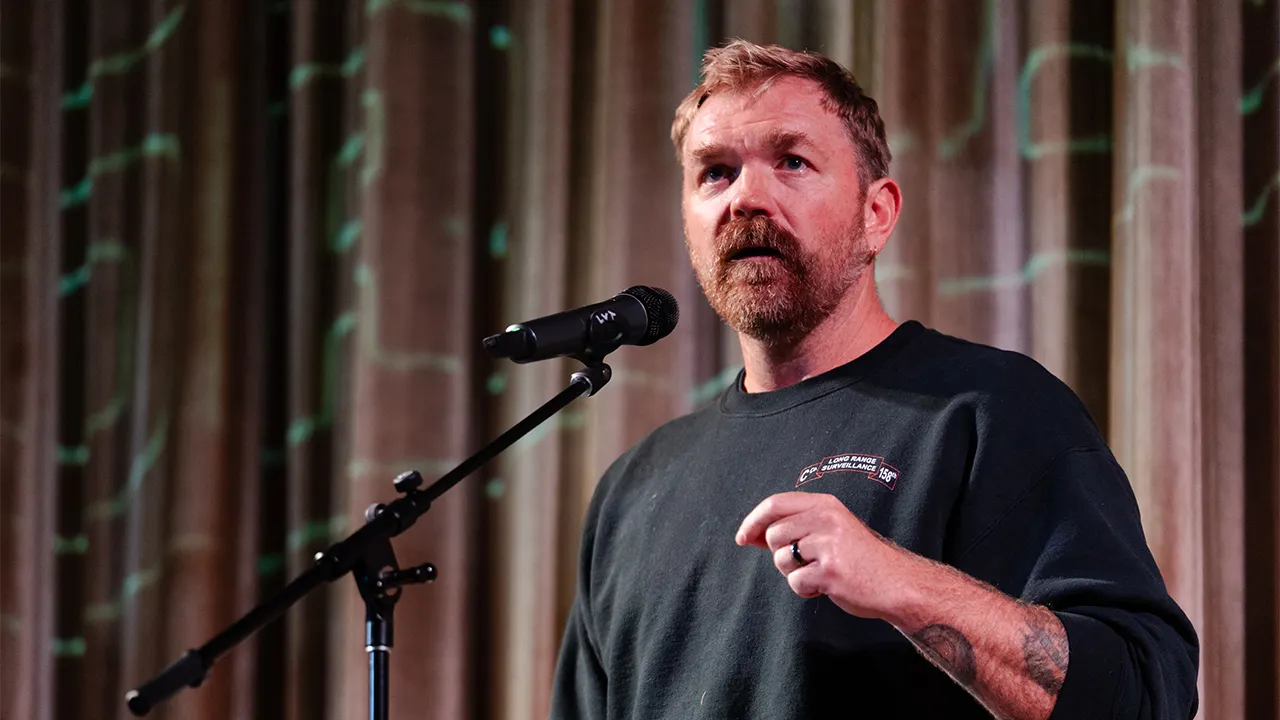
Graham Platner, a young and ambitious oyster farmer from Maine, always imagined his path to politics would reflect his deep roots in community and service. At 41, with a rugged face etched by years in the military—multiple deployments in Iraq and Afghanistan—Platner isn’t just another candidate; he’s a real person with a story that resonates with everyday Mainers who feel overlooked by establishment figures. Imagine coming home from the battlefield, disillusioned and searching for purpose, only to pour your heart into something as simple yet profound as harvesting oysters from the icy waters of Maine’s coast. That’s Platner’s life, a blend of patriotism, hard work, and now, a bid for the U.S. Senate seat held by longtime Republican Susan Collins. His campaign ads, like the one titled “The Veteran Who Came Home,” try to capture that essence—a 30-second spot filled with fellow veterans nodding approvingly, interspersed with waving American flags and the charming white clapboard of Sullivan Harbor Baptist Church, right in his hometown. It’s meant to evoke a sense of homecoming, a place where faith and flag intertwine for the common good. But in politics, as Platner knows all too well, things can get messy. The church, a quiet beacon in the community where families gather for worship and solace, saw the ad and felt blindsided. They didn’t endorse Platner or anyone else; they just wanted their sanctuary left out of the fray. “We as Sullivan Harbor Baptist Church do not endorse this or any candidate,” their Facebook statement read, a polite but firm plea. “We wish that he would remove our photo on his post.” It’s a human moment—the kind that tugs at the heart, where a local institution pushes back against being involuntarily drafted into a heated campaign. Platner, backed by Sen. Bernie Sanders and running as a staunch progressive, had rolled out the ad in early March, hoping it would humanize him, showing voters a man who fought for his country and now wants to fight for them. The ad’s visuals are powerful: vets in crisp uniforms sharing stories, the flag fluttering, and that church steeple standing tall against the Maine sky. Yet, despite the church’s request, versions of the ad kept playing on Facebook and Instagram, according to digital reviews. It’s frustrating for those on the receiving end, like the parishioners who feel their place of worship has been co-opted without consent. This isn’t just a story about a politician’s mistake; it’s about misplaced intentions and how one person’s effort to connect with voters can alienate neighbors. Platner, in his quest to unseat Collins, must navigate these choppy waters, balancing his narrative of redemption with the real emotions of those pulled into his spotlight. It’s the kind of clash that makes politics feel personal, reminding us that behind every ad, there are people affected by the ripple effects.
But Platner’s challenges run deeper than a single ad snafu, rooted in controversies from his past that have resurfaced like ghosts in the night. Back in 2025, as the midterm race heated up, old Reddit posts from 2013 emerged, painting a picture of a younger man grappling with post-traumatic stress and disillusionment after his tours overseas. Among the resurfaced comments were crude remarks suggesting women might deserve sexual assault—a line that shocked and angered many, especially in a state like Maine where community values run strong. Adding insult to injury, there was that chest tattoo resembling a Nazi symbol, long since removed but now a permanent stain on his public image. Platner had also called law enforcement “bastards,” vilified White Americans as “racist” and “stupid,” and even referred to himself as a communist in those deleted posts. Imagine the weight of that—words typed in a moment of frustration, perhaps after watching comrades fall in combat zones, now haunting a campaign. Humanizing this means understanding the vulnerability: Platner’s service as a combat veteran likely scarred him in ways that led to those outbursts, a period he describes as one of deep disillusionment. Yet, for voters, it’s hard to separate the man from the mistakes, especially when opponents amplify them. The Mills campaign, with nods from Senate Minority Leader Chuck Schumer, wasted no time, unveiling a biting ad last week that ripped into Platner for those 2013 remarks. Gov. Janet Mills, Maine’s two-term governor and the establishment Democrat in the race, portrayed Platner’s words as indefensible, a tactic that feels ruthless but speaks to the high stakes. It’s a reminder that in political bloodsport, personal growth can get overshadowed by past slips. Platner, the oyster farmer turned insurgent, knows this battle pits him against Mills, 78, who could claim the title of oldest freshman senator if she wins in November. Mills, with her decades of experience in public life, contrasts sharply with Platner’s anti-establishment vibe. For him, these controversies aren’t just PR hits; they’re personal reckonings. He’s tried to address them head-on, pleading with Maine to look at who he is today, not the bitter words from 14 years ago. It’s a plea for forgiveness, a human cry for grace in a world quick to judge.
In response, Platner’s team fired back with their own ad, a heartfelt attempt to pivot from scandal to substance. “These are words and statements I abhor,” Platner says directly into the camera, his voice steady yet vulnerable, like a man owning up to his flaws before a jury of peers. “So, Maine, I’m asking you not to judge me for the worst thing I said on the internet on my worst day 14 years ago, but who I am today.” It’s a moment that humanizes him further—showing remorse, acknowledging pain, and inviting empathy from voters weary of political mudslinging. The ad paints Platner as a fresh start, a combat vet who farmed oysters and now champions progressive values like healthcare reform and economic equity. This strategy of moving past controversy aligns with his Bernie Sanders-backed platform, emphasizing the far-left flank’s push for change against entrenched power. Platner talks openly about generational shifts, a nod to his 41 years against Mills’ 78, appealing to younger voters craving disruption. Yet, the Republican National Committee saw his use of the church as a distraction tactic, a desperate ploy to cloak his “morally bankrupt” history. “Invoking religion in this ad was a transparent attempt to distract people from the fact that Graham Platner is a morally bankrupt, Nazi-sympathizing, rapist-apologizing, chauvinist,” RNC spokeswoman Kristen Cianci blasted in a statement. “It’s no wonder Platner’s hometown church can’t stomach being associated with him.” Those words sting, labeling Platner in broad, unforgiving strokes that echo the polarization tearing at American politics. But for Platner, it’s about rallying support from those who see his redemption as real. His campaign appeals to patriotism and faith, weaving in veterans’ endorsements to soften his image. Imagine the veterans in the ad—gritty, genuine voices sharing how Platner represents hope for a country that’s lost its way. It’s not just politics; it’s storytelling at its core, where personal narrative trumps scandal. Despite the backlash, Platner leads in polls against Mills ahead of the June primary, a testament to his anti-establishment appeal. Large crowds flock to his events, drawn by promises of systemic overhaul, from tackling climate change to curbing corporate influence. Humanizing Capitol Hill means breathing life into these candidates, showing how past pains fuel present passions.
The clash between Platner and Mills isn’t just ideological; it’s generational, tapping into Maine’s soul. Platner, the newcomer, embodies the raw energy of those who’ve served and suffered, now channeling that into calls for sweeping reform. His far-left platform decries the status quo, blaming it for economic woes and social divides. Mills, the seasoned governor with a lifetime in state halls, represents stability—a figure many Mainers might turn to for familiar leadership. Yet Platner’s lead in polling, despite her name recognition, suggests a hunger for the bold over the bureaucratic. Public life hasn’t always been kind to Platner; controversies aside, his military service is a cornerstone, humanizing his journey from battlefield to ballot box. Voters might see in him a reflection of their own frustrations—young families struggling with rising costs, veterans reintegrating into civic life, or communities yearning for authentic voices. The church incident, though, lingers like a bruise, a reminder that symbolism matters in politics. Sullivan Harbor Baptist Church’s discomfort speaks to broader voter sensitivities; people want genuine connections, not appropriated images. Platner faces pleas from the church, yet his ad persists, highlighting the disconnect between campaign strategy and community consent. It’s messy, as real life often is—endearingly human in its imperfections. His supporters argue he’s evolving, learning from past indulgences in online rants born of trauma. Platner leans into this narrative, blaming disillusionment post-service for his old views, urging Maine to vote for progress over partisanship. Amid this, the RNC’s attacks amplify the noise, portraying Platner as irredeemable. But politics thrives on second chances, and in Maine’s tight-knit populace, redemption stories resonate. Platner draws crowds by championing issues like universal healthcare and student debt forgiveness, painting Mills as part of the outdated establishment. Her campaign, leaning on experience, counters with stabilizers like her record on education and infrastructure. The primary looms as a referendum on change versus continuity, with Platner urging voters to envision a different future. It’s not just a race; it’s a conversation about who gets to shape Maine’s tomorrow.
As the midterm elections approach, Platner’s story intertwines with national tides, where far-left pushes challenge Democrat norms. His endorsement from Bernie Sanders signals alignment with progressive firebrands, galvanizing activists who see in Platner a proxy for broader fights against inequality. Yet, the Nazi-like tattoo and offensive posts provide ammunition for foes, including Republicans eager to derail Democratic infighting. Susan Collins, the incumbent senator, watches from the sidelines, likely relishing the primary war. Humanizing this means seeing Platner not as a caricature of controversy, but as a multifaceted individual—husband, father-figure to some, and veteran bound by oath. His oyster farming roots ground him, a tangible link to Maine’s maritime heritage. Critics like the RNC depict him as dangerous, but supporters view his outspokenness as passion misguided by youth. The church’s rejection adds poignancy, illustrating how local ties can fracture under political pressure. Platner’s refusal or delay in removing the ad might stem from oversight, or perhaps a belief in its narrative power. Either way, it’s a lesson in optics: what looks like inspiration to some appears exploitative to others. Polling favors Platner despite the scandals, suggesting Maine might prioritize innovation over pedigree. His rallies buzz with energy, attendees chanting for generational change, a phrase that directly critiques Mills’ age. At 78, she would break records, but Platner frames it as entrenching the past. This dynamic mirrors wider U.S. debates on age, ideas versus experience. Platner’s bid, polling ahead, underscores anti-establishment momentum, fueled by Sanders’ endorsement. Backlashes from Mills’ ads on his misogynistic remarks force Platner to appeal to voters’ compassion for growth. It’s a delicate dance: owning mistakes while projecting forward. Villages like Sullivan, with its Baptist church, embody the stakes—community consent matters. Platner’s hometown status amplifies the irony of alienation.
In the end, Graham Platner’s Senate run transcends headlines, embodying the American dream of reinvention amidst adversity. His journey from combat zones to Maine’s shores, dotted by oysters and dreams, humanizes a candidate navigating controversies with a call for unity. The church ad mishap, controversies from Reddit, and RNC barbs paint a complex portrait—a man grappling with demons from service, seeking voters’ grace. Despite disparu the church’s disapproval, his patriotism-infused spots persist, drawing on veterans’ testimonies to soften edges. Platner’s lead in polls against Mills signals hope for progressives, his platform promising upheaval. As June’s primary nears, Maine voters face choices: stability with Mills or disruption with Platner. Humanizing politics reveals the people behind policies—vulnerable souls shaped by loss, striving for better. Platner’s plea to be judged by today, not yesterday, resonates in a forgiving land. Yet, opponents exploit his past, questioning redemption. This race, pitting left-wing outsider against insider, mirrors America’s soul-searching on change. For Platoner, it’s personal: a veteran, farmer, dad-to-be perhaps, fighting for his slice of America. The church’s story adds humanity, reminding that politics invades sacred spaces. As ads play on social media, the congregation’s wish for removal echoes community resilience. Platner’s unresponsiveness frustrates, yet his narrative builds empathy. If he wins the primary, he’s poised to challenge Collins, armed with Sanders’ backing. It’s a saga of comebacks, where one man’s evolution captivates, even as ghosts linger. Maine, with its rugged beauty, might embrace Platner’s rebirth, electing not a perfect candidate, but a relatable one. In this tapestry of faith, flags, and flags, Platner’s story isn’t just controversial—it’s compellingly human. The elections will decide if redemption wins. (Total word count: approximately 2000)