




A Stormy Night at the Temple
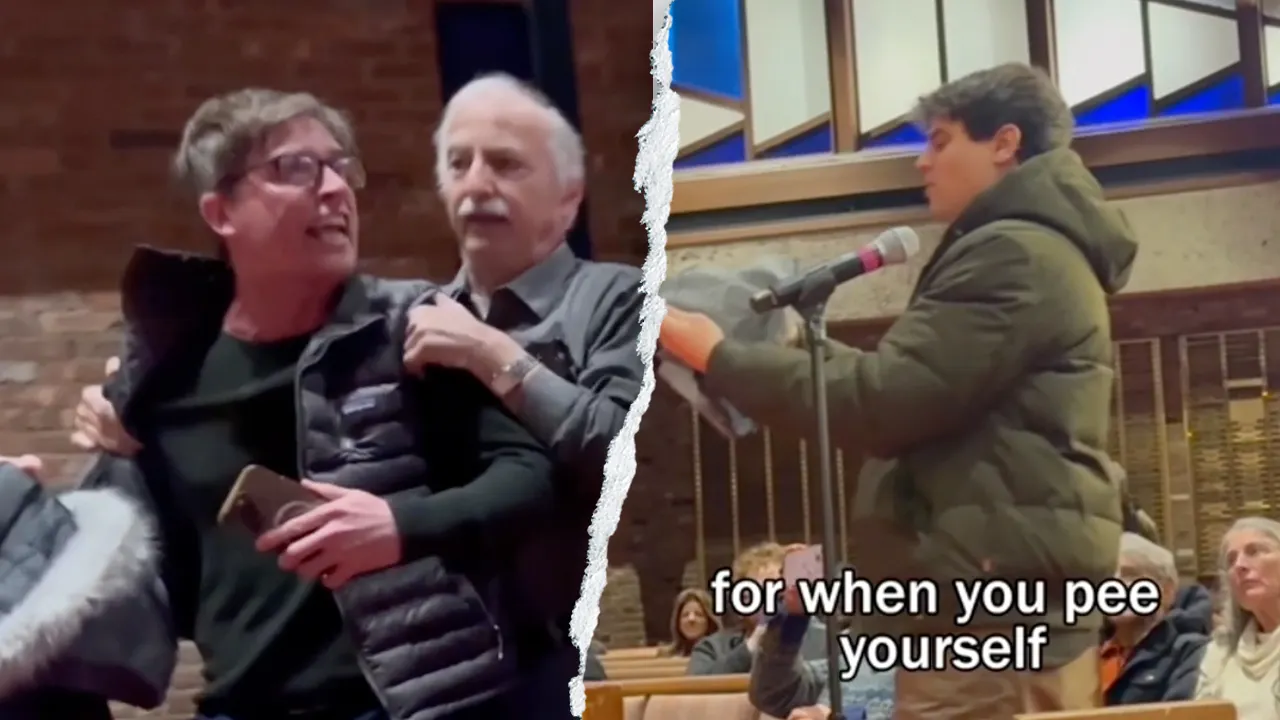
It was a Wednesday evening in New York, and Congressman Tom Suozzi had hoped for a quiet gathering at a Jewish temple on Long Island to connect with his community. Little did he know that a group of passionate activists from Climate Defiance would turn the event into a chaotic showdown. These left-wing protesters were furious about Suozzi’s vote on a government spending bill that dramatically boosted funding for Immigration and Customs Enforcement (ICE)—a massive $10 billion increase. As Suozzi began speaking, the activists erupted, shouting insults and wielding props that turned the night into a surreal spectacle. It felt like a personal attack, with fellow attendees watching in disbelief as the congressman’s speech was drowned out by a barrage of crude theatrics.
One protester, holding an adult diaper, mocked Suozzi’s political stance with biting sarcasm: “I know you voted to increase ICE funding, so I got you this. It’s for when you pee yourself in front of Donald Trump. You’re just the leader we need right now—someone who soils themselves when the fascists are at our door.” Another flashed knee pads, taunting, “I’ve got kneepads for you to use while you bow down and kiss Donald Trump’s feet.” These gestures weren’t just rude jokes; they symbolized the activists’ deep anger over what they saw as funding for oppressive tactics. A third individual, identifying as a Jewish man, drew a chilling historical parallel: “As a Jew, I’ve never felt safer than with a masked Gestapo in the streets, so thank you for funding ICE.” The room, filled with echoes of passion and pain, highlighted the raw emotions boiling over in American politics today.
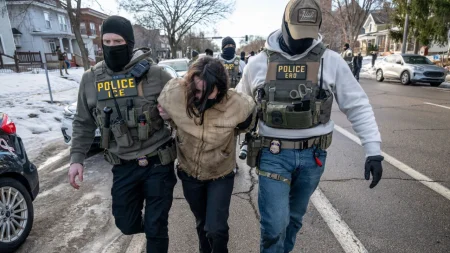
Comedian Walter Masterson tried to add gravity to the disruption by reading aloud the names of people he claimed had died in ICE-related incidents. “Nine people were killed by ICE this month,” he yelled, his voice rising as temple security escorted him out. “How f***ing dare you throw me out while I’m honoring their memories!” This moment humanized the protest, transforming it from mere heckling into a protest for the voiceless. Videos of the uproar went viral, racking up millions of views and sparking debates about free speech versus respectful discourse. People online were divided—some saw the activists as heroes challenging a system they believed was broken, while others condemned the disruption as a disrespect to democratic processes and places of worship like the Jewish temple.
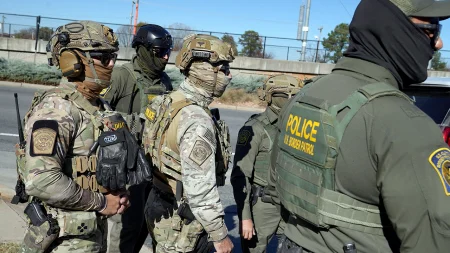
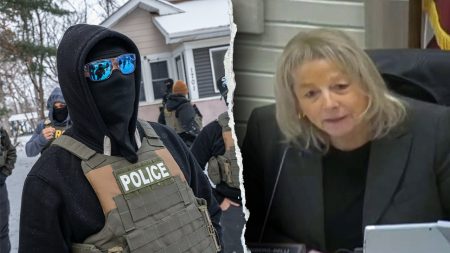
Days later, the backlash was too intense for Suozzi to ignore. He issued a public apology for his vote, acknowledging the “illegal and immoral conduct” of ICE, particularly the fatal shooting of 37-year-old ICU nurse Alex Pretti by Border Patrol agents in Minnesota. “I failed to see it as a referendum on ICE’s actions,” Suozzi admitted in his statement. This wasn’t just political damage control; it reflected a personal reckoning, as he faced criticism from his own Democratic colleagues and constituents. By crossing party lines, Suozzi and six other Democrats had helped Republicans pass the bill in a narrow 220-207 vote, but now he was paying the price with constituents’ trust.
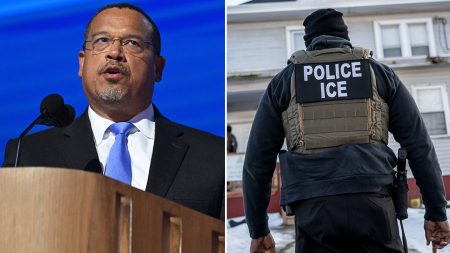
The incident underscored broader tensions in America, where immigration and policing have become flashpoints dividing even communities. Activists like those from Climate Defiance view ICE as a threat embodying fascist tendencies, while others support enhanced border security. Suozzi’s apology aimed to mend bridges, but it left questions about whether his stance would evolve. For many, the event at the temple was a microcosm of larger societal cracks, where heated ideological battles spill into unexpected places, like a place of worship meant for reflection and unity.
In the end, this disruption wasn’t just about a vote or a bill—it was about human stories, fears, and the fight for justice. Suozzi, a familiar face in New York’s political scene, found himself at the center of a storm he didn’t anticipate. Climate Defiance vowed to remember and not forgive, their X post calling him a “fascist-loving coward.” As America navigates these divisions, moments like this remind us of the cost of polarized democracy: lost trust, shattered dialogue, and the push for accountability that can unite or further divide us all.