


The Congressional Battle Over NIL in College Sports: A Complex Game of Politics and Education
In recent years, the landscape of college athletics has transformed dramatically with the introduction of Name, Image, and Likeness (NIL) deals. These agreements allow student-athletes to profit from their personal brand while still competing at the collegiate level. The result has been a seismic shift in how athletes choose schools, how universities recruit talent, and how money flows through the system. While some celebrate this newfound economic freedom for students, others worry that NIL has created a pay-to-play environment where wealthy programs dominate and smaller schools struggle to compete. As fans watch this year’s bowl games and College Football Playoff, the disparity between powerhouse conferences like the Big 10 and SEC versus smaller conferences has never been more apparent—just ask James Madison University.
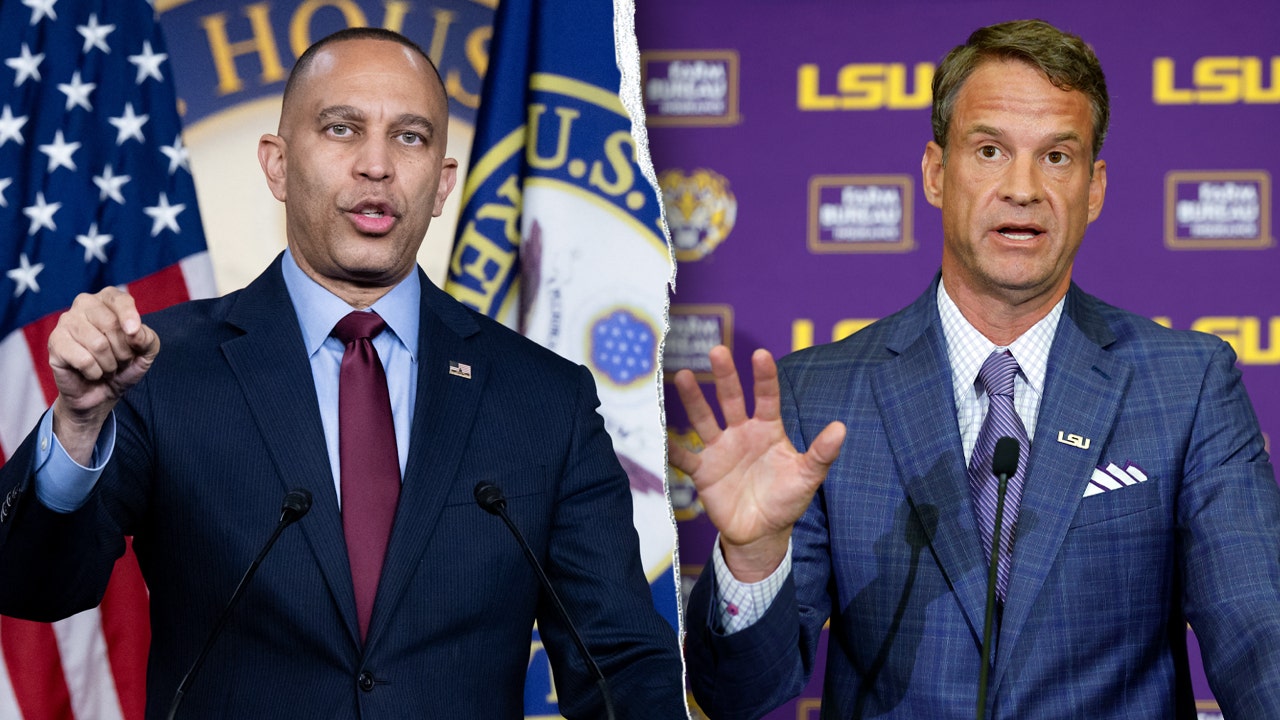
The NCAA, seemingly paralyzed to establish consistent nationwide NIL regulations, has turned to Congress for help—a move that has predictably transformed an educational and athletic issue into a political football. In December, House Republicans attempted to advance the Student Compensation and Opportunity through Rights and Endorsements (SCORE) Act, which would cap schools’ athlete payments at 22 percent of athletic revenue and establish national standards. However, the bill crumbled under political pressure when it became entangled in partisan disputes. Democrats widely opposed the legislation, arguing it favored institutions over athletes, particularly regarding labor rights. The timing couldn’t have been worse, coinciding with former Ole Miss coach Lane Kiffin’s lucrative move to LSU—a school with close ties to House Speaker Mike Johnson and Majority Leader Steve Scalise, both Louisiana Republicans and LSU alumni. This connection prompted House Minority Leader Hakeem Jeffries to derisively label the legislation the “Lane Kiffin Protection Act” and question why Congress was prioritizing college sports over issues like healthcare and the economy.
The controversy surrounding NIL legislation extends beyond simple partisan lines, revealing fundamental disagreements about the role of student-athletes within higher education. Republicans generally support establishing guardrails around NIL without treating athletes as employees, while many Democrats argue that without collective bargaining rights, athletes remain vulnerable to exploitation. Representative Emilia Sykes (D-Ohio) captured this sentiment perfectly: “Passing the SCORE Act as it stands would only eliminate students’ abilities to collectively bargaining.” This debate cuts to the heart of how we define student-athletes—are they students who play sports, or are they more like university employees who deserve corresponding protections? Senator Cynthia Lummis (R-Wyoming) firmly believes they should not be granted employee status, highlighting the philosophical divide that makes consensus difficult to achieve.
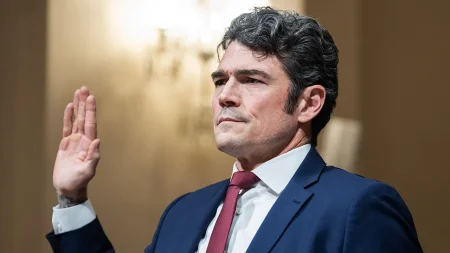
Some lawmakers question whether Congress should be involved in regulating collegiate athletics at all. Representative Frank Pallone (D-New Jersey), ranking member on the Commerce Committee, pointedly noted that “you have to have a college to have college sports” and suggested Congress should focus on “very real threats to our nation’s colleges and universities” instead of NIL regulation. Even within the Republican caucus, there’s disagreement about the approach. Representative Chip Roy (R-Texas) believes the bill bends too far toward accommodating major conferences without addressing broader governance issues in collegiate athletics, such as “massive buyouts” for coaches. Meanwhile, Senator Josh Hawley (R-Missouri) has proposed an entirely different approach that would extend NIL rights to all Americans as a way to protect personal data and images in the age of artificial intelligence, demonstrating how the issue has expanded beyond sports into broader privacy concerns.
Despite the December setback, House leaders hope to revisit NIL legislation early in 2026, with some members pushing for action even sooner. Representative Jodey Arrington (R-Texas), who chairs the House Budget Committee, believes addressing NIL is urgent: “I think we need to do it sooner rather than later.” Representative Gus Bilirakis (R-Florida), the primary author of the SCORE Act, emphasized the stakes: “We want to get it right to really do what we can to save college sports.” There appears to be bipartisan recognition that national standards are necessary, with Representative Debbie Dingell (D-Michigan) calling for “a national framework with clarity and real enforcement to bring fairness, transparency, and equity to the new NIL era.” The question remains whether lawmakers can find common ground that balances the interests of institutions, athletes, and the integrity of collegiate competition.
However, the political calendar suggests that NIL legislation faces an uphill battle in the immediate future. Congress must contend with pressing matters including health care subsidies that have already expired, looming government funding deadlines that could trigger another shutdown, and high-profile investigations including the Epstein files. With such urgent national priorities demanding attention, a complex issue like NIL regulation—which has languished without resolution for years—may continue to sit on the congressional backburner. The legislative challenges reflect the broader complexity of modernizing college athletics in an era where amateur ideals collide with commercial realities. If Congress fails to act soon, they can always claim they gave regulating college sports “the old college try,” but student-athletes, universities, and fans will continue navigating a system defined more by its inequities than its opportunities.