





Pentagon Strike on Venezuelan Drug Boat Sparks Partisan Debate
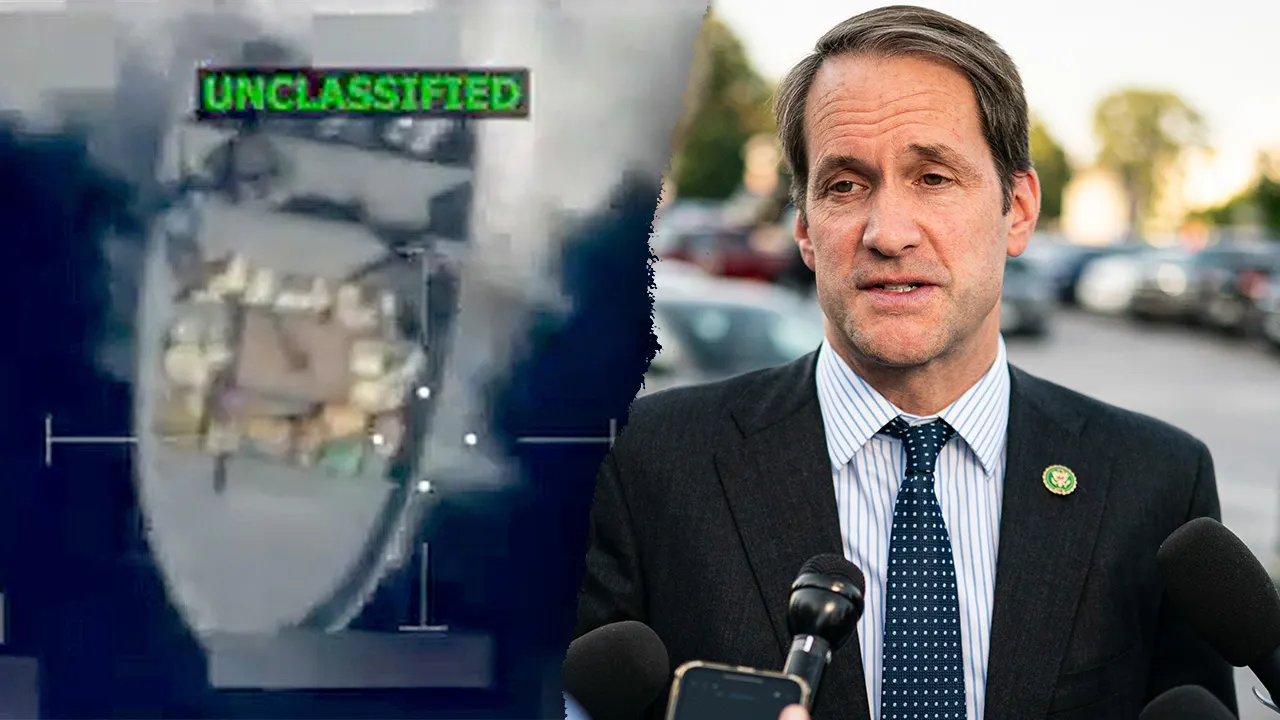
In a heated development that has sharply divided lawmakers along party lines, the U.S. military’s controversial strike on a suspected drug boat near Venezuela has become the center of intense scrutiny. Representative Jim Himes (D-Conn.) has emerged as a vocal advocate for transparency, urging that classified footage of the incident be released to the American public. “I think it’s really important that this video be made public,” Himes stated during a “Face the Nation” interview. His call for transparency comes after he and a small group of lawmakers viewed the classified footage last week, noting that interpretations of what they witnessed broke down “precisely on party lines.” Himes emphasized that releasing the footage would allow Americans to form their own opinions about the military action, suggesting his own visceral reaction to the video might be shared by the public.
The controversy centers around a Department of War operation that reportedly involved a second strike specifically ordered to eliminate survivors who had escaped an initial attack. This revelation has triggered dramatically different responses from lawmakers across the political spectrum. Democrats have largely condemned the action, questioning its ethical and legal foundations, while Republicans have defended the strikes as necessary measures against what the Trump administration has designated as narco-terrorists. This particular incident stands out among more than 20 similar strikes on small boats in the Caribbean targeting alleged drug smuggling operations, as it’s believed to be the only one involving multiple attacks to eliminate survivors. The partisan divide highlights deeper questions about military ethics, executive authority, and America’s approach to combating drug trafficking.
Representative Himes’s description of the footage paints a disturbing picture of the strike’s targets. “These guys were barely alive, much less engaging in hostilities,” he stated, emphasizing that the American people deserve to see the reality of “what it looks like when the full force of the United States military is turned on two guys who are clinging to a piece of wood and about to go under.” His comments suggest that the individuals targeted in the follow-up strike posed no immediate threat and were essentially defenseless, raising serious questions about the proportionality and necessity of the military action. Himes believes public access to this footage would provide citizens with “a visceral feel” for the consequences of such operations, potentially challenging the sympathy some might have for aggressive tactics against suspected drug runners.
The controversy has also raised questions about the chain of command and the pressures military leaders face when executing controversial orders. Himes mentioned meeting with Admiral Frank Bradley, describing him as “a man of deep, deep integrity” with “a storied career.” However, Himes suggested that Bradley may have faced significant pressure to carry out the strikes, placing him in a difficult position where refusing an uncomfortable order might result in his termination. This aspect of the controversy hints at potential tensions between military leadership and civilian authorities, and the ethical dilemmas faced by officers when orders may conflict with their professional judgment or personal values. The situation highlights the complex dynamics of military decision-making within a politically charged environment.
Both chambers of Congress have initiated formal inquiries into the strikes, with investigations launched in late September. When questioned about the progress of these investigations, Senator Roger Wicker (R-Miss.), who chairs the Senate Armed Services Committee, provided little detail but assured that lawmakers would conduct a thorough review, stating that “the investigation will be done by the numbers.” These congressional probes aim to clarify the circumstances surrounding the strikes, particularly the authorization of the controversial follow-up attack. The investigations will likely examine the communication channels, decision-making processes, and legal justifications for the operations, potentially establishing precedents for future military actions in the region. The outcome could have significant implications for U.S. counter-narcotics operations and military engagement protocols.
The controversy over these military strikes reflects broader tensions in American foreign policy, particularly regarding the use of military force against non-state actors and the balance between security objectives and ethical considerations. As the Trump administration has designated certain drug traffickers as terrorists, it has opened new avenues for military action that might previously have been restricted to law enforcement agencies. This shift in approach has profound implications for U.S. operations in the Caribbean and potentially worldwide. As Congress investigates and public debate continues, Americans are confronted with fundamental questions about what actions should be taken in their name, what limits should exist on military power, and how the nation should balance its security interests with its commitment to human rights and ethical conduct in warfare. The eventual release or withholding of the video footage may significantly influence how the public understands and responds to these essential questions.