


Harris Criticizes Trump’s Capture of Venezuelan Dictator Maduro as “Unlawful” and “Unwise”
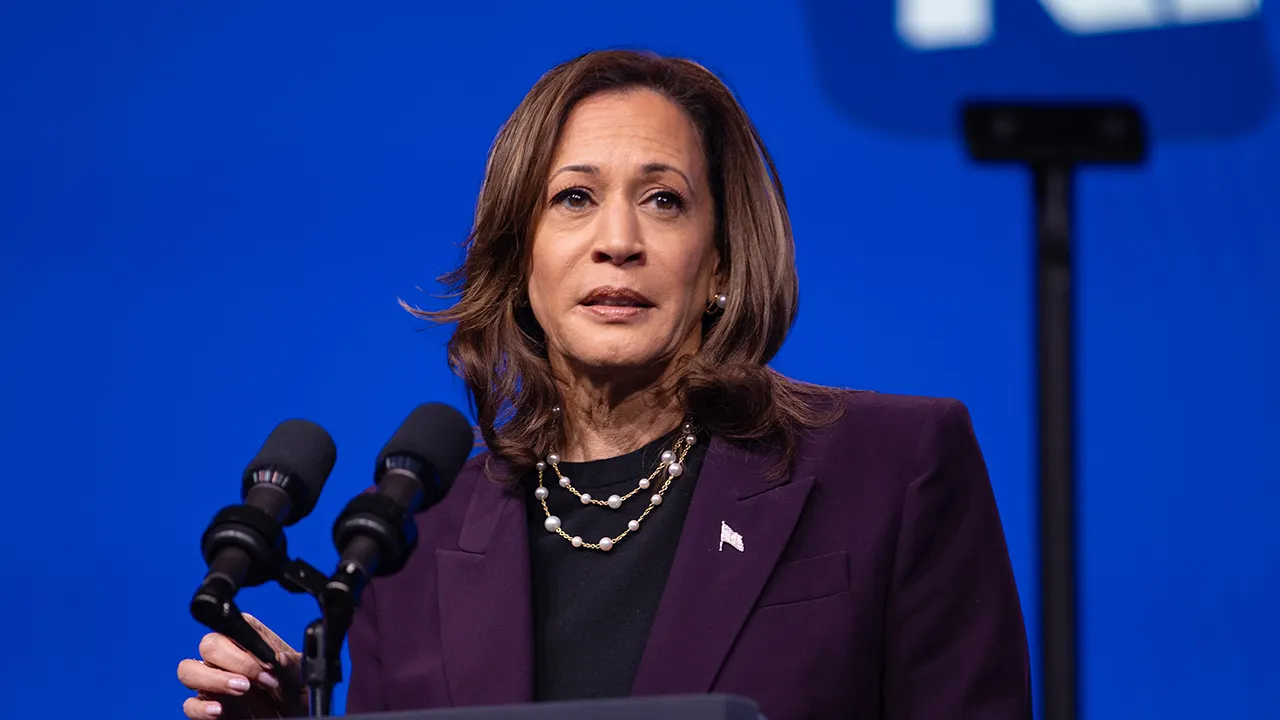
Former Vice President Kamala Harris has taken a strong stance against the Trump administration’s recent capture of Venezuelan dictator Nicolás Maduro and his wife, characterizing the operation as both “unlawful” and “unwise.” In a detailed statement posted on social media platform X, Harris acknowledged Maduro’s reputation as a “brutal” and “illegitimate” dictator but argued that President Donald Trump’s actions in Venezuela fail to enhance America’s safety, strength, or economic stability. Her criticism comes at a time when the international community is watching closely to see how this unprecedented operation unfolds and what implications it might have for U.S. foreign policy and regional stability in Latin America.
“Donald Trump’s actions in Venezuela do not make America safer, stronger, or more affordable,” Harris wrote in her statement, expressing concern that this intervention follows a troubling pattern. “We’ve seen this movie before,” she continued, drawing parallels to previous U.S. military interventions that were initially presented as demonstrations of strength but ultimately resulted in chaos, with American families bearing the consequences. Her comments reflect a growing skepticism among some political leaders about the wisdom of aggressive foreign policy actions, particularly those involving military operations in sovereign nations, regardless of how problematic their leadership may be. The former Vice President’s statement came just hours after the Trump administration confirmed that Maduro and his wife had been captured and removed from Venezuela as part of what they called “Operation Absolute Resolve.”
Harris’s criticism extends beyond questions of legality and wisdom to the underlying motivations of the operation. She suggested that the administration’s actions were driven more by oil interests than by stated concerns about combating drug trafficking or promoting democracy in the region. “This is not about drugs or democracy,” Harris asserted. “It is about oil and Donald Trump’s desire to play the regional strongman.” She further questioned the president’s sincerity by pointing to what she sees as contradictory actions, such as pardoning a convicted drug trafficker while claiming to fight against drug trafficking, and sidelining Venezuela’s legitimate opposition while pursuing deals with individuals connected to the Maduro regime. These accusations strike at the heart of the administration’s stated justifications for the operation and suggest alternative motives that might be less palatable to the American public.
The former Vice President, who has been mentioned as a potential Democratic candidate for the 2028 presidential election, expressed deep concern about the potential consequences of the operation. She accused President Trump of “putting troops at risk, spending billions, destabilizing a region,” all without providing what she considers adequate legal justification, a clear exit strategy, or tangible benefits for Americans at home. This critique touches on several sensitive points that often arise in discussions about U.S. military interventions abroad: the risks to American service members, the financial costs, the potential for regional destabilization, and questions about legal authority. Harris suggested that these concerns are particularly troubling given what she characterizes as a lack of planning for how the situation will be resolved once the immediate objectives have been achieved.
The situation took another turn when Maduro and his wife arrived at the Metropolitan Detention Center in Brooklyn late Saturday, having been transported by helicopter from the Drug Enforcement Administration headquarters in Manhattan after processing. This development represents a significant escalation in the U.S. approach to dealing with foreign leaders accused of criminal activity, raising questions about precedent and potential repercussions for American foreign policy going forward. Meanwhile, President Trump made a striking statement earlier in the day, declaring that the U.S. government will “run” Venezuela “until such time as we can do a safe, proper and judicious transition.” This assertion of direct American control over another sovereign nation has sparked debate about the limits of U.S. power and the principles that should guide American engagement with problematic regimes around the world.
Harris concluded her critique by articulating what she believes America needs in terms of leadership: priorities focused on “lowering costs for working families, enforcing the rule of law, strengthening alliances, and — most importantly — putting the American people first.” This statement positions her in direct opposition to what she perceives as the current administration’s approach to foreign policy, suggesting that domestic concerns should take precedence over interventionist actions abroad. The capture of Maduro has elicited mixed reactions globally, with many Venezuelans worldwide celebrating the dictator’s removal, while others express concern about the methods employed and the potential consequences for regional stability. As this situation continues to develop, it highlights fundamental questions about the role of the United States in global affairs and the balance between promoting democracy abroad and respecting international law and sovereignty.