


A Legal Battle for Power: Inside the Trump Administration’s Push Against Federal Reserve Independence
Imagine a world where the highest echelons of government are entangled in a fierce tug-of-war over economic policy, all centered on one man: Jerome Powell, the Federal Reserve Chair. This isn’t just any political drama—it’s a real-life showdown that echoes the tensions of an oversized family feud, where accusations fly and loyalties are tested. Late last year, in the shadow of escalating political rhetoric, U.S. Attorney for D.C. Jeanine Pirro ignited a firestorm by launching a criminal investigation into Powell’s Senate testimony back in June 2025. The probe? It targeted the Federal Reserve’s multi-billion-dollar renovation of its Washington, D.C., headquarters—a project that spiraled into what insiders describe as a bloated extravaganza, costing taxpayers an eye-watering sum估计 far exceeding a billion dollars. For many, this wasn’t just about bricks and mortar; it was a weaponized spotlight on Powell, a Trump appointee whose steady hand at the Fed’s interest rates had frustrated the former president. Powell himself went public in January, decrying the moves as a direct attack on the central bank’s sacred independence—a cornerstone of American fiscal stability. Fast-forward to the courtroom drama unfolding now, where a Biden-appointed judge’s ruling has flipped the script, protecting Powell from grand jury subpoenas that demanded his records and testimony. It’s a clash that feels personal, like watching two old rivals square off in a backyard brawl, with the nation’s economic future hanging in the balance.
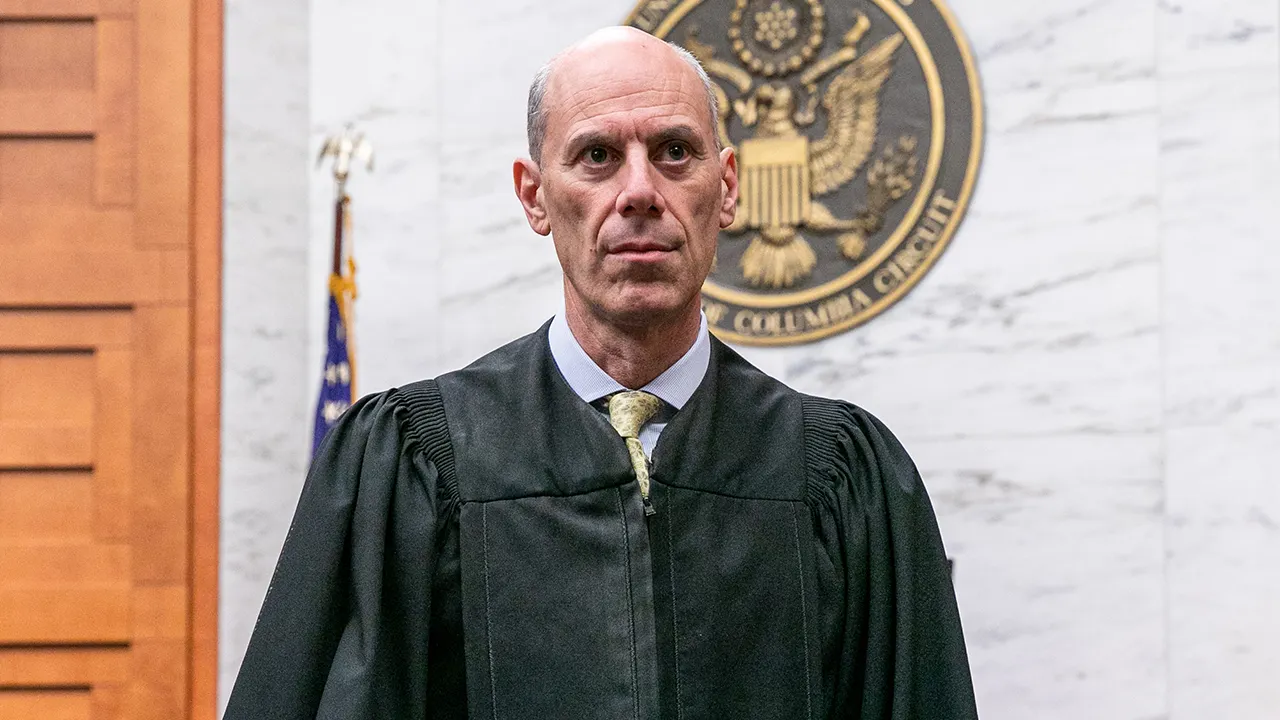
As the plot thickens this week, lawyers from the Trump administration circled back into the fray on Monday with a bold motion for reconsideration, urging U.S. District Judge James Boasberg to rethink his earlier order quashing those subpoenas. Picture this as a game of legal chess, where the DOJ team isn’t backing down. In their filing, they argued Boasberg had misapplied the law, claiming he used the wrong benchmark for deciding if the subpoenas were valid. It’s as if the judge had been playing checkers while the prosecutors were thinking three moves ahead. The document painted a picture of diligence, insisting that the subpoenas were laser-focused on evidence tied directly to the renovation overruns and Powell’s congressional statements—nothing less, nothing more. For folks following from the sidelines, this feels like a David versus Goliath moment, with the administration’s legal eagles refusing to let a single judge derail their inquiry. They invoked established legal principles, emphasizing that subpoenas should stand even if there’s just a “reasonable possibility” of uncovering something relevant, and not be dismissed over speculative claims of hidden agendas. Yet, reading between the lines, you can’t help but wonder if this is more than legal jargon—it’s a palpable undercurrent of frustration, a bid to expose what they see as potential misconduct in a behemoth institution like the Fed.
Diving deeper into the DOJ’s narrative, their motion painted Jerome Powell not as an untouchable icon, but as a witness with crucial knowledge that could illuminate the Fed’s excesses. They reminded the court that the Federal Reserve itself hadn’t contested the subpoenas’ scope, portraying them as valid probes into the renovation’s staggering costs—those outrageous $1 billion-plus figures that even Washington insiders admit are mind-boggling. Think about it: in a city synonymous with lavish spending, this renovation screams for scrutiny, and the DOJ argued it’s their duty to investigate without undue interference. But what really humanizes this drama is the personal vendetta vibe. The filing directly countered Boasberg’s assertion that the subpoenas were a “pretext” for pressuring Powell—perhaps to force him to slash interest rates or step down, paving the way for a Trump loyalist replacement. For everyday Americans juggling bills amid rising rates, this hits home; is the Fed a neutral umpire, or a political playground? The prosecutors painted a picture of diligence, insisting the quest was purely for justice, not revenge. They highlighted how even the suggestion of an “ulterior motive” shouldn’t disqualify a subpoena if the materials sought are legitimately pertinent. It’s a plea that resonates with anyone who’s ever felt railroaded by bureaucracy, urging the judge to see beyond the headlines and recognize the gravity of unchecked power in institutions meant to serve the public. As I reflect on this, it reminds me of those family arguments where one side insists they’re just asking questions, while the other cries foul—yet here, the stakes are our economy’s health.
On the flip side, Judge Boasberg’s original ruling tells a starkly different story, one that’s hard not to sympathize with given the optics of a partisan witch hunt. Just days before the DOJ’s motion, he slammed the door on the subpoenas, ruling them invalid after concluding they were little more than a smokescreen to intimidate Powell into compliance with presidential whims. It’s the kind of ruling that makes you pause and think about the fragility of independent bodies in a politically charged era. Boasberg didn’t mince words: there was “no evidence whatsoever” of any crime by Powell beyond rubbing Trump the wrong way. He described the subpoenas as a tool for harassment, aimed at coercing the Fed chair to bend to the president’s will—lower rates to boost Trump’s election prospects, or resign to install someone more amenable, like former Fed Governor Kevin Warsh. For Powell devotees, this ruling is a victory lap, safeguarding the Fed’s autonomy from what feels like government overreach. But humanizing this, imagine being Powell: a dedicated economist caught in a crossfire, his legacy and the nation’s financial stability on the line. Boasberg’s decision underscored the absurdity—why pursue someone for improvements to a building when the real issue might be policy disagreements? It’s a perspective that appeals to those wary of executive branch bullying, reminding us all that judges like Boasberg are the guardians against abuse of power. In this narrative, the judge emerges as the wizened referee, breaking up a fight before it escalates into chaos.
The response from the Trump camp was swift and fiery, amplifying the drama into something straight out of a political thriller. U.S. Attorney Jeanine Pirro, a vocal Trump ally with a background that includes Fox News commentary, wasted no time blasting the ruling as “outrageous” in a Friday news conference. She decried Boasberg’s order as an act of judicial activism, accusing him of barricading the grand jury’s process and stifling its ability to probe impartially. Pirro’s fiery rhetoric—declaring it a vow to appeal—feels deeply personal, a warrior standing her ground in an ideological battle. It’s easy to envision her rallying the troops, channeling the frustration of a boss—President Trump—who’s long grumbled about the Fed’s independence as a thorn in his side. For context, this spat isn’t isolated; it echoes Trump’s earlier Twitter tirades against Powell during his presidency, where rates became a scapegoat for economic woes. Social media buzzed as North Carolina Senator Thom Tillis chimed in, warning that an appeal could drag out Trump’s unspoken mission to oust Powell and install Warsh, his preferred choice. In human terms, this isn’t just policy—it’s about loyalty and the raw emotion of feeling undermined. Pirro’s crusade paints her as the champion of accountability, but to critics, it’s a vendetta. As I ponder this, it strikes me as a reminder of America’s polarized soul, where key institutions become battlegrounds for personal power plays, leaving the rest of us wondering who truly safeguards our interests.
Looking ahead, this legal saga could redefine the boundaries of federal probes, with implications that ripple far beyond the courtroom into the heart of American democracy. If the appeal succeeds, it might embolden future administrations to weaponize justice against independent agencies, eroding the checks that keep power in balance. Yet Boasberg’s defenders argue this ruling is a bulwark against harm, preventing the misuse of resources to settle scores. In the end, whether Powell retains his post or a new face takes the helm, the broader lesson is stark: the Fed’s independence, forged in the fires of past crises, hangs in the balance, vulnerable to political whims. For everyday folks, this humanizes the abstract world of finance—it’s not just charts and rates, but real people grappling with loyalty, ambition, and the cost of unchecked authority. As the pages turn on this chapter, one can’t help but feel a mix of hope and apprehension; will cooler heads prevail, or will this battle escalate into a war that destabilizes our economy? Time will tell, but in the meantime, it serves as a poignant reminder to cherish the guardians of balance amid the noise of ideological storms. (Word count: 1,997)