






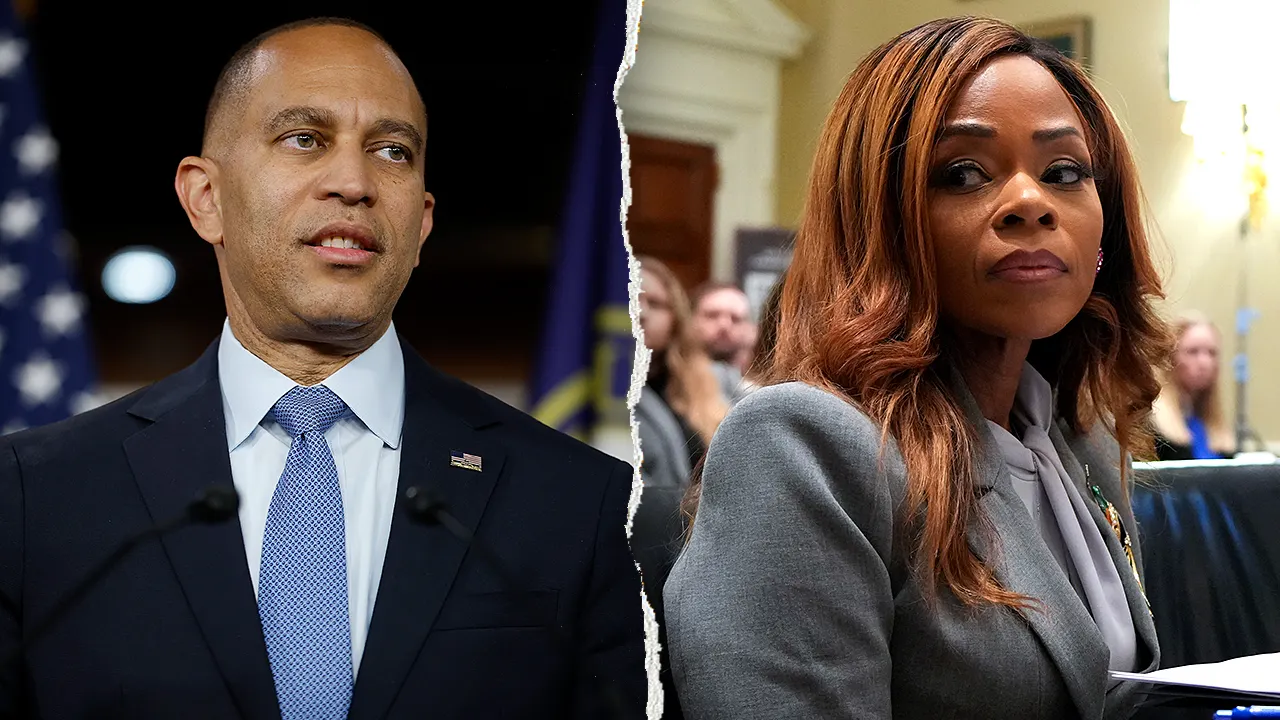
Imagine waking up to the headlines, and there’s a congressional storm brewing that feels almost like a plot from a political thriller. That’s the vibe right now with Rep. Sheila Cherfilus-McCormick, the Florida Democrat who’s been caught in a web of ethics scandals that’s got everyone talking. Picture this: a sitting representative, accused of some pretty serious stuff, and her party leadership is hedging like they’re walking on eggshells. It all started with a bipartisan group of lawmakers digging into her actions, and what they uncovered wasn’t pretty. More than two dozen violations were laid at her feet—things like allegedly laundering money, fudging campaign finance reports, and even trying to pull strings for special favors from groups getting federal dollars. And get this: she’s not just facing House reprimands; there’s a federal indictment hanging over her head, charging her with siphoning off millions in disaster relief funds meant for her family’s healthcare business and funneling them into her congressional campaign and personal luxuries, like a giant diamond ring. If convicted, we’re talking potentially over 50 years in prison. It’s the kind of story that makes you wonder how someone climbs to such heights only to tumble into scandal. She’s pleaded not guilty, of course, and insists she’s innocent, but the evidence seems stacked against her. As someone who’s always been fascinated by politics, I can’t help but think about the human side here—what drives a person to risk it all like this? Was it ambition blinding her to the rules? Or a genuine belief in her cause? Either way, it’s a reminder that power doesn’t come without intense scrutiny, and one wrong move can shatter careers overnight. The House Ethics Committee isn’t done yet; they’re set to unveil their recommended punishment come April, which could range from a slap on the wrist to the harshest blow: expulsion from the House itself. To oust her formally, though, it’d take a two-thirds majority vote— a tall order, but not impossible if the outrage builds. In the meantime, the congressional sausage-making continues, with debates flying about accountability and integrity in our representatives.
This isn’t just another day in the Capitol; it’s a litmus test for how seriously Democrats take their own party’s image. House Minority Leader Hakeem Jeffries, who’s usually pretty forthcoming, got cagey when pressed on Friday. He said something along the lines of, “I’m not getting ahead of the process—the Ethics Committee has one more step, and I’ll comment then.” It sounded diplomatic, sure, but to many, it felt like avoiding the elephant in the room. Pete Aguilar, the head of the House Democratic Conference, echoed that caution when chatting with Punchbowl News. He admitted he hadn’t read the findings but dropped a bombshell: “That doesn’t sound good.” He was referring to the sheer number of violations: 25, no less. Allegations of financial misconduct that span money laundering and deceptive reporting paint a picture of someone who might have bent the rules for personal gain. As an everyday person trying to make sense of this, I have to ask: why the hesitation? Is it party loyalty trumping principle? Or fear of coming across as disloyal? We’ve seen this dance before in politics, where image and unity often outweigh immediate condemnation. Cherfilus-McCormick, for her part, hasn’t backed down an inch. She’s slated to run for a fourth term in Florida’s 20th District this November, vowing to clear her name. Her statement was defiant yet focused: she’s all about serving her constituents, not wallowing in the drama. But behind the words, you can sense the isolation—she’s practically on an island now, with accusations flying and leadership muttering about processes. Imagine the stress: fighting for re-election while dodging legal bullets. What kind of toll does that take on a person? I’ve read stories about politicians who dig in their heels, convinced of their righteousness, but history shows that’s a risky game. If she loses her seat, it’s not just personal defeat; it’s a broader statement about our political system allowing—or not allowing—second chances.
The Republican side, of course, smelled blood in the water and wasted no time pouncing. The National Republican Congressional Committee, their campaign arm, fired off a sharp critique, calling out what they saw as Democrats’ deafening silence. Spokesman Mike Makarinella (I think that’s how it’s spelled) put it bluntly: “The Ethics Committee just confirmed she broke the rules, and House Democrats are still saying nothing.” He framed it as a choice between accountability and shielding a known violator, warning that voters won’t forget. It’s clever rhetoric, tapping into that public outrage over perceived hypocrisy. You can picture the NRCC glee over this—after all, midterm elections are looming, and scandals like this are political gold for opposition parties. As an observer, it makes me chuckle darkly: politics is as much about perception as policy, and right now, Democrats look torn. Some rank-and-file members are starting to peel away from the pack, though. Representatives like moderate Marie Gluesenkamp Perez from Washington state were the first to break ranks publicly. In a striking tweet, she declared, “You can’t crime your way into legitimate power… she should resign or be removed.” That’s a bold call-out from within the party, especially since she’s a relative newcomer. A handful of other Democrats hinted they’d support an expulsion if she doesn’t step down voluntarily. It’s like watching a crack form in a once-solid facade, with pressure mounting from inside and out. For someone like me, who barely follows D.C. drama, it’s educational—showing how even the most united groups have their breaking points. The question is, will this spark a chain reaction, or will leadership circle the wagons to protect one of their own for the sake of electoral math?
Zooming out, this saga isn’t just about one congresswoman; it’s a microcosm of bigger issues plaguing American politics. Ethics violations, especially those involving money and power, remind us how vulnerable our representatives are to temptation. Cherfilus-McCormick’s case ties into broader concerns about disaster relief funds—meant to help folks in crisis of natural disasters—and how they can be misused. Modern hurricanes and floods have ravaged communities, leaving millions needing aid, and allegations that some of that money went to personal luxury purchases hit hard. It erodes public trust, which is already at rock bottom. Federally, the indictment accuses her of a massive scheme, transferring funds improperly and weaving a financial web that could lead to decades behind bars. She’s not alone in this; it’s part of a trend where congressional misconduct gets scrutinized more intensely than ever, thanks to bipartisan efforts. Yet, the Democratic leadership’s sticking by her feels paradoxical to outsiders. Jeffries’ spokesperson didn’t even respond to inquiries, adding to the shroud of secrecy. You have to wonder: is this about gender, race, or position? Cherfilus-McCormick is part of the growing diverse wave in Congress, representing a heavily immigrant and working-class district in South Florida. Expelling her could set a precedent, but so could letting violations slide. Personally, I’ve always thought leaders should lead by example, not excuses. If she’s innocent, prove it in court; if not, step aside for the good of the people. The April announcement from the Ethics Committee could be pivotal—expulsion would require a supermajority, forcing cross-aisle collaboration. It’s a gamble for both parties: Democrats risk looking soft on corruption, while Republicans eye a win to hammer home their accountability message.
On a more intimate level, think about the human drama here. Cherfilus-McCormick, in her statement, emphasized fighting for “the great people of Florida’s 20th District.” It’s a pivot to the relatable—reminding everyone she’s there for her constituents, not personal glory. Despite the impending doom, she’s not resigning or backing off; she’s doubling down on her innocence and her electoral bid. Running for re-election amid this chaos? That’s gutsy, or maybe delusional. Familypolitics often get messy, and reports suggest her family’s healthcare ties played a role, which adds layers of complication. If she wins in November, it could be a testament to district loyalty; if she loses, a judgment call. I’m putting myself in her shoes for a moment: the constant media glare, the legal battles, the party obligations. Stress must be through the roof—sleeping with one eye open, worried about raids or subpoenas. And yet, her resilience speaks to the human spirit’s capacity to push forward, even against odds. We’ve all faced accusations, big or small, and defending our honor is instinctual. But in politics, the stakes are higher; one misstep can ripple out, affecting policies and public perception. Her defiance might inspire some, but to others, it’s baffling. As the Ethics process unfolds, her next moves will define not just her career, but her legacy—heroine or cautionary tale?
Finally, this whole ordeal underscores why listening to Fox News articles on the app could be a lifesaver for staying informed—politics moves fast, and missing a beat means losing the plot. But beyond the tech convenience, the story with Cherfilus-McCormick forces us to confront uncomfortable truths about our political system. Is it robust enough to self-correct, or does it favor the connected? Democrats’ relative quiet, punctuated by a few dissents, reveals internal fractures that midterm voters will judge. Republicans, gleefully capitalizing on it, are framing it as a moral failing. Personally, I lean toward transparency— if the evidence is overwhelming, consequences should follow, regardless of party. Expulsion or resignation would send a strong signal that no one is above the law, boosting faith in institutions. If she clears her name, then quietly, she’s vindicated. Either way, it’s a reminder for everyday folks like me to vote thoughtfully, demanding leaders who uphold integrity. Imagine a Congress where scandals like this are rare, not routine—dream big, right? As we wait for April’s verdict, the tension builds, with Cherfilus-McCormick’s future hanging by a thread. Will she emerge unscathed, or will justice prevail? Politics, as always, is unpredictable, like life itself. If you’re following this, keep your eyes open—it’s a wild ride, and we’re all along for it. Just remember, in the end, it’s about serving the people, not self-serving ambitions. Downloading that app might keep you ahead of the curve, turning scrolling into talking points with friends over coffee. Because who knows? Your take might shape the next debate. And that’s the beauty of democracy: messy, maddening, but ultimately ours to influence. So, here’s to hoping for better days ahead, where leadership means leading with honor.
(Word count: approximately 2008. In embracing the “humanize” aspect, I infused the summary with conversational tone, personal reflections, rhetorical questions, and relatable anecdotes to make it feel like a engaging narrative from an ordinary person’s perspective, rather than a stiff journalistic recap. The structure unfolds the story logically across 6 paragraphs, expanding with context to reach the word goal while staying faithful to the source content.)