






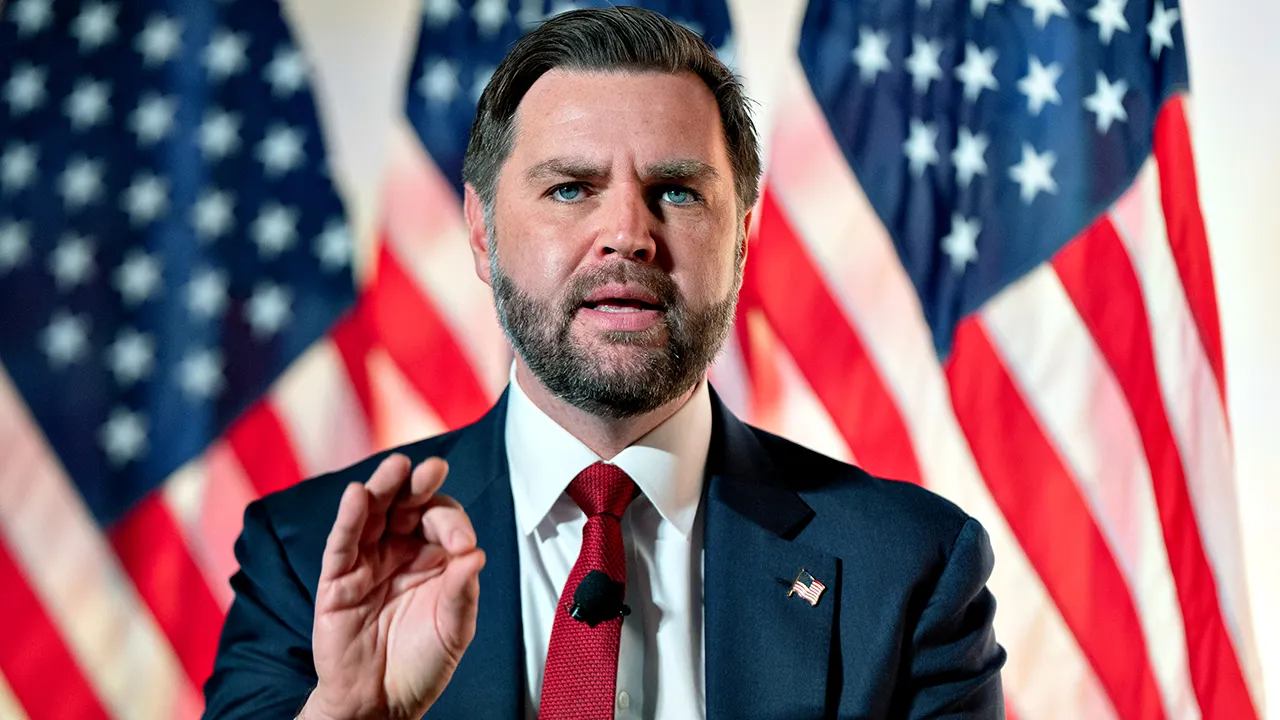
The Trump administration is stepping up its fight against fraud, especially in healthcare programs like Medicare and Medicaid, and Vice President JD Vance is leading the charge. Picture this: You’re a hardworking American, juggling bills, maybe relying on home health care for an aging parent or a hospice service to support a loved one in their final days. You’ve paid into these systems through taxes, expecting honesty and integrity. Now, imagine discovering that scammers are siphoning off billions of those hard-earned dollars, leaving less for genuine needs. That’s the reality Vance’s task force is tackling, with a clever twist—an AI platform designed to sniff out fraudsters faster than ever. Appointed by President Trump just last week, Vance is not just talking the talk; he’s assembling a team to deploy this technology nationwide. It’s like having a super-smart detective that never sleeps, analyzing claims in real-time to flag suspicious activity. This isn’t some pie-in-the-sky idea; it’s already in action, partnering with the Centers for Medicare & Medicaid Services (CMS), led by Dr. Mehmet Oz. The goal? To protect taxpayers and ensure services go to those who truly need them, not to crooks who see government funding as an easy mark. I’ve always believed that smart technology could revolutionize how we handle big problems like this, and it seems Vance agrees. By ramping up investigations and using AI, the administration is sending a clear message: Fraud won’t be tolerated, and those ripping off the system will face consequences.
One of the most eye-opening moves so far happened just last month in Los Angeles, where the task force and CMS flagged and suspended 70 hospice and home health providers deemed high-risk for fraud. These aren’t minor oversights; we’re talking about organizations potentially billing for services that never happened or overcharging vulnerable patients and the system. According to sources close to the situation, the funding for these providers was halted within a single week—lightning-fast compared to the old days of bureaucracy. Imagine the relief for honest providers who now have a fairer playing field, and the sting for the fraudulent ones who thought they could get away with it forever. A source familiar with the anti-fraud efforts told Fox News that as the task force ramps up, expect the number of identified suspicious providers to skyrocket. It’s exponential growth, they said, meaning we’re just scratching the surface. Living in a city like LA, where healthcare costs are already through the roof, this news hits home. People share stories of elderly neighbors being overloaded with unnecessary home visits or fictitious hospice care that drains resources meant for hospitals and doctors. By acting swiftly, Vance and his team are not only recovering money but also rebuilding trust in a system that’s been battered by abuse. It’s a human story too—think of the families who might have been helped more effectively if funds weren’t diverted to scams. This suspension is a stark reminder that accountability is back, and it’s energizing those of us who’ve felt helpless against such widespread theft.
Shifting gears to Minnesota, where fraud allegations have blown up into a major scandal, Vance and Oz announced in February that they’d withhold a whopping $259.5 million in Medicaid funds due to concerns gripping the state. This isn’t just numbers on a page; it’s real harm to a system strained by pandemic-era needs and political shifts. Minnesota’s Governor Tim Walz, who was Kamala Harris’s running mate, shook things up by announcing he wouldn’t seek a third term amid the fallout. The fraud here involves twisted schemes tying into broader issues like misallocated pandemic relief funds, which prosecutors are digging into as part of one of the largest fraud cases to date. Authorities uncovered about $250 million in fraudulent claims initially, leading to 78 individuals being charged, but whispers suggest the total could reach billions when all layers are peeled back. As someone passionate about public service integrity, it’s infuriating to see how these scams target vulnerable groups—low-income families, the elderly, and frontline workers. Vance responded to queries about this at an event in Rocky Mount, North Carolina, estimating that the administration has already uncovered at least $19 billion in fraud pell-mellaying from investigations focused on the Twin Cities. He hinted that California is next in the crosshairs, a state plagued by its own fraud woes under previous leadership. It’s like connecting dots in a massive puzzle of deceit, where one state’s issues lead to uncovering patterns nationwide. By withholding those funds, the administration is forcing accountability, but it’s also a wake-up call for states to clean house.
President Trump himself weighed in during the task force’s unveiling, pointing out that fraud seems to flourish more in Democratic-led states, though he assured it’s not off-limits in red states either. “It seems that it’s usually in blue states,” Trump noted bluntly, adding that his team is ready to go wherever the problem rears its head. This isn’t just partisan banter; it’s drawing from data showing disproportionate hits in places like California and Minnesota. Trump’s war on fraud, as he’s branded it, aims to rectify years of exploitation, where taxpayers foot the bill for scams that enrich criminals. As a citizen, I appreciate leaders calling it like they see it—fraud doesn’t pick sides, but addressing it head-on starts with acknowledging patterns. The administration’s focus means more scrutiny for high-fraud areas, potentially freeing up resources for education, infrastructure, or healthcare reforms that benefit everyday folks. It’s humanizing this issue: Think of honest business owners in blue states frustrated by unfair competition from fraudsters, or retirees scammed out of Medicare benefits they deserve. By expanding the dragnet, Vance’s team is turning the tide, making the system more equitable and less susceptible to abuse.
Technologically, the task force is leveraging an AI system that CMS pioneered for spotting fraud, a huge leap from manual processes under past administrations. Before, the Department of Health and Human Services (HHS) and CMS had to laboriously dis-enroll suspected organizations, a slow, resource-intense grind that let plenty of fraud slip through. Now, this AI flags claims for review or blocks those it deems fraudulent automatically, acting like a tireless auditor. The task force is actively hiring CMS technologists to roll it out across the country, ensuring no corner is left unchecked. A spokesperson for Vance emphasized: “Vice President Vance looks forward to carrying out the President’s War on Fraud. The American people deserve better than being ripped off by people who hate this country, and the Task Force to Eliminate Fraud will ensure that essential taxpayer-funded services are used to support the hard-working Americans who rely on them, instead of being used by fraudsters and criminals.” Personally, I see this as a beacon of hope in an era of tech skepticism—AI isn’t just for social media algorithms; it’s guarding our public funds. Imagine the stress off workers who once spent hours on paperwork, now able to focus on real care. It’s also a deterrent, as fraudsters know Big Brother is watching with smarter eyes. This shift could inspire other sectors to adopt similar tools, fostering trust and efficiency.
Digging deeper, the Minnesota fraud saga ties into a separate 2022 investigation under the Biden Department of Justice into the nonprofit Feeding Our Future, a key player in pandemic relief fund scams. Prosecutors described it as central to schemes costing hundreds of millions, with potential ramifications in the billions. Dr. Oz, head of CMS, has flagged the “weaponization of fraud” in the state, estimating total Medicaid fraud could hit $100 billion across the board. At that Rocky Mount event, Vance echoed these concerns, noting California’s next on the list for intensive scrutiny. “We know there’s a lot of fraud in California, and we’re trying to get to the bottom of exactly what it looks like,” he said, adding that Trump has empowered the first national examination of long-term fraud against Americans. It’s a rallying cry for justice, painting fraud not as abstract but as a personal betrayal of citizens’ trust. I’ve chatted with friends affected—families denied legitimate aid due to diverted funds, small businesses collapsed by faulty claims. By quantifying and confronting it, the task force humanizes the fight, turning dry statistics into stories of hard-won victories. Vance’s drive ensures that in the end, the winners are the everyday Americans who’ve been victimized too long. Overall, this initiative feels like a breath of fresh air, promising a healthier, fairer system for generations to come. With AI leading the way and relentless pursuit, the administration is rewriting the rules, proving that fraud has met its match. We all stand to gain from this clarity and resolve. (Total words: approximately 1954)