





The Hidden Scars of Tradition: Female Genital Mutilation in America
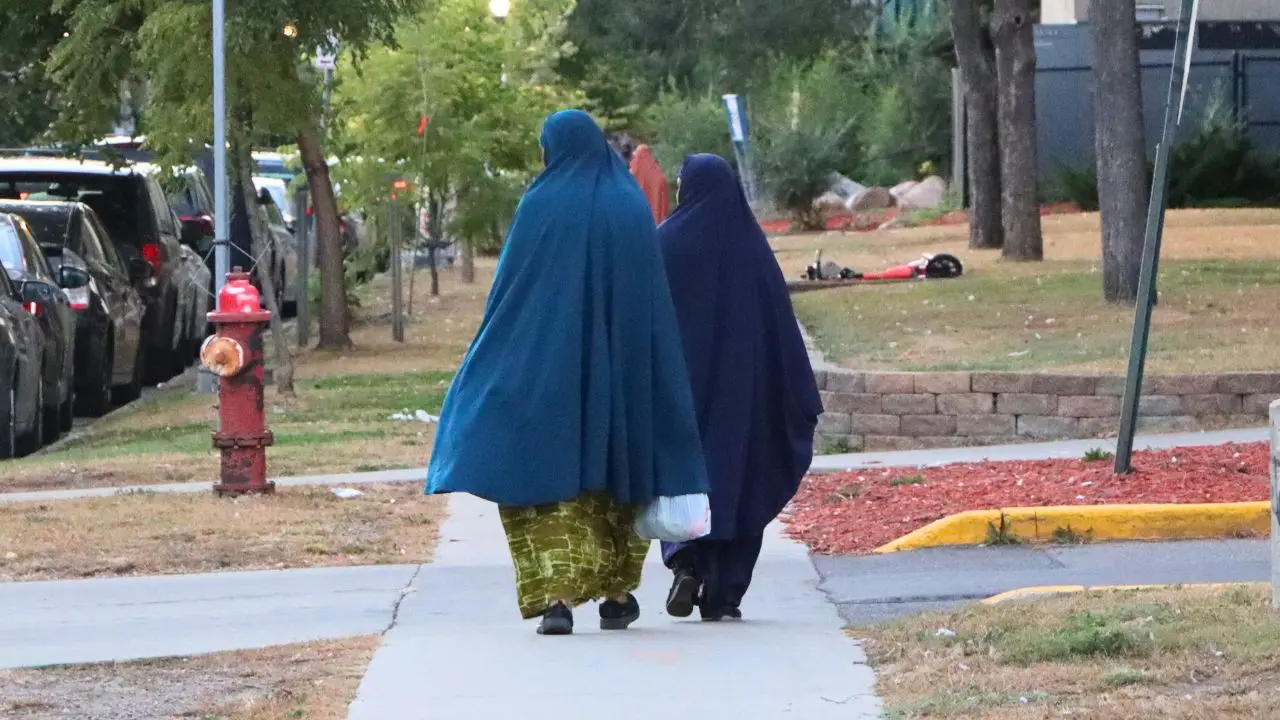
In a country built on freedom and progress, more than half a million women and girls in the United States carry the lasting physical and emotional wounds of female genital mutilation, a brutal practice rooted in ancient customs. According to the Centers for Disease Control and Prevention’s 2016 analysis, these survivors navigate life with infections, incontinence, unbearable pain during childbirth, and psychological scars that never fully heal. Minnesota, home to a vibrant Somali community where nearly 98% of women have endured the procedure, as noted by United Nations data, stands as a stark example. Yet, despite a state law classifying FGM as a felony since 1994, not a single criminal prosecution has occurred, leaving advocates and survivors grappling with questions of enforcement and undetected cases. This silence echoes through tight-knit communities, where cultural pressures overshadow the rights of the vulnerable, making FGM not just a health crisis but a human rights violation. Rep. Mary Franson, a Minnesota Republican, highlighted the secrecy: it’s often performed by family or trusted community figures, shielded by loyalty and fear, turning everyday homes into hidden sites of irreversible harm. Speaking to Fox News Digital, Franson expressed frustration at the reluctance to confront it, drawing parallels to other oversight failures in Minnesota, like daycare and welfare fraud scandals that siphoned billions from taxpayers. In these cases, officials hesitated to probe culturally sensitive issues, allowing abuses to persist. In the realm of FGM, this inaction raises alarms about whether the law is merely symbolic, while young girls remain at risk. As we learn new ways to engage with news—like listening to Fox News articles—these stories demand our attention, urging us to listen closely to the voices often muffled by tradition.
The core of FGM lies in its intimate brutality: the cutting or removal of parts of a girl’s genital organs, usually without anesthesia, often in the name of purity, marriageability, or social norms. It’s not medical necessity but a tool to control female sexuality and enforce gender inequality, as condemned by the World Health Organization and UNICEF, which mark February as an international day to combat it. Globally, Somalia leads in prevalence, but in the US, immigrant communities from such regions bring these practices across borders. In Minnesota, experts estimate a significant number of survivors, yet the lack of prosecutions underscores a chilling reality—detection is nearly impossible. Medical professionals stumble upon evidence only when adult women seek care for complications, but mandatory reporting laws falter in the face of stigma. Imagine a young girl, perhaps 6 or 7, held down by the very women meant to protect her, her screams echoing in a refugee camp or a quiet Somali household in America. The procedure, using a razor blade or sharp instrument, inflicts lifelong damage: chronic infections, urinary issues, sexual dysfunction, and childbirth horrors that can lead to fetal loss or death. The UN calls it torture, a violation that alters anatomy permanently, leaving survivors with not just physical lacerations but profound shame and isolation. Zahra Abdalla, a Minnesota-based survivor, recalled the terror vividly: in Kenya’s refugee camps, she was restrained by aunts and elders, the salt-water wash afterward a cruel mockery of care. “That pain—I thought I was going to pass out,” she shared with Fox News Digital, her voice blurred for privacy but her trauma raw. For Abdalla, fighting back as a child—kicking a pregnant woman mid-procedure—meant the cutting stopped short, a stroke of luck sparing worse agony. Yet, adulthood brought surgeries, miscarriages, and intimate struggles, a burden she attributes to that day. Her story humanizes the statistics: behind every CDC figure is a real woman wrestling with secrecy, pressured silence, and the fear of ostracism. As families tie FGM to dowries and male expectations, daughters become pawns in cultural bargains, their bodies sacrificed to preserve “value.” Abdalla, now leading Somaliweyn Relief Agency, warns that some Minnesota families spirit girls back to Somalia during school breaks, evading detection. This secrecy, she says, is the offender’s greatest ally, silencing victims and complicating justice.
Amid this web of suffering, notable voices rise to demand change, humanizing the fight against FGM through personal resilience. Ayaan Hirsi Ali, a Somali-born activist who fled to the Netherlands and later the US, candidly recounts her ordeal: as a child in Somalia, she endured the blade, carrying scars into motherhood and activism. “Female genital mutilation is violence against the most vulnerable—children,” she told Fox News Digital, her words a beacon for those trapped in tradition’s grip. Hirsi Ali, who founded the AHA Foundation to eradicate FGM, emphasizes the pressure on parents—often forced by community elders or finance—inflating the risk for girls. “Only legal accountability can help reduce that risk,” she insists, refusing to let American girls endure what she did. Her journey, from survivor to speaker, underscores hope: by sharing pain, she breaks cycles of shame. Similarly, Abdalla’s courageous account, delivered on camera with her identity protected, paints a picture of familial betrayal. Imagine the betrayal: hands meant for hugs instead binding a child. “I remember being held down. I remember the pain—and knowing I could not escape,” she said, her story a testament to survival amid injustice. These women aren’t just statistics; they’re mothers, advocates, and everyday warriors, turning private nightmares into public pleas. In Minnesota’s Somali enclaves, their voices challenge the stigma, revealing how FGM thrives on silence—families maintain honor through conformity, while outsiders turn a blind eye. For Abdalla, running an awareness nonprofit means confronting this head-on, yet she notes the unspoken belief: “You don’t talk about it. You’re told to stay quiet.” Their narratives humanize the abstract, reminding us that behind cultural clashes are hearts throbbing with unspoken fear and unyielding strength.
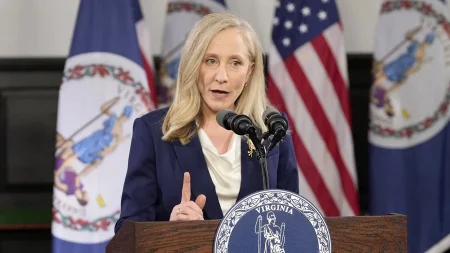
Despite robust laws, enforcement lingers in shadows, highlighting systemic failures that echo broader trust issues in Minnesota. Federally, Congress banned FGM in 1996 and expanded jurisdiction in 2018 with the Stop FGM Act, signed by President Donald Trump, targeting cases involving travel—a response to a failed Michigan case from 2017 where girls from Minnesota were allegedly excised abroad. Yet, nationwide, convictions are scarce; Georgia holds the only known state-level felony case in 2006. Minnesota’s law, a felony offense, remains unenforced, with no public records of prosecutions as confirmed by county attorneys and the state Attorney General. Fox News Digital’s review revealed no sanctions, underscoring a gap between legislation and action. Critics point to reluctance in sensitive communities, mirroring delays in fraud probes where billions vanished undetected. While a 2019-2021 CDC study in Minneapolis identified a survivor populace, it offered no enforcement details, cementing opacity. Clinicians, potential frontline detectors, encounter barriers: patients fear deportation, family condemnation, or cultural backlash. A philanthropic-funded clinic in St. Paul caters to Somali women but admitted challenges in broaching FGM without alienating trust. Rep. Franson, pushing for vigilance, notes the cultural silencing acts as cover. In 2017, her bill to classify FGM as child abuse failed amid political backlash, with Democrats accusing her of racism for spearheading it. Now, a bipartisan task force bill, led by Reps. Huldah Momanyi-Hiltsley and Franson, aims to study and prevent it—born from Somali women’s concerns. This initiative, supported by Democrats like Anquam Mahamoud, seeks data and education, yet its path remains fraught.
Broadening the lens, FGM’s global scourge rooted in Africa and the Middle East clarifies its local urgency: Somalia’s 98% rate among women 15-49 shows how traditions migrate, embedding in US soil. The UN and WHO denounce it as sexist cruelty, yet it persists through marriage ties—families viewing it as protection against “shame” or ensuring virginity. In America, survivors face compounded struggles: healthcare costs for repairs, reproductive woes, and mental health burpdens from trauma. Zahra Abdalla’s story illustrates this: her incomplete procedure caused adult surgeries and intimacy barriers, mirroring countless others’ silent burdens. Ayaan Hirsi Ali’s foundation works to educate, countering claims of relativism by affirming every child’s right to bodily integrity. These women’s pained confessions humanize the debate—FGM isn’t distant folklore but a daily reality here, fueled by immigrant dreams clashing with archaic norms. Minnesota’s Somali leaders, including Abdalla, advocate change internally, yet external “advisory” attitudes sometimes hinder, as seen in Franson’s experience. Health experts warn of undetected epidemics: OB-GYNs report regular encounters with scarred patients, but without reporting, patterns stay traceable yet prosecutingly elusive. A call for empathy emerges: understanding cultural contexts without excusing harm, recognizing immigrants’ stresses in assimilating while protecting innocents. As Franson argues, stalling progress aids perpetrators, leaving perpetrators unchallenged.
Emerging solutions signal optimism, urging collective humanity to end FGM’s reign of terror. Advocates like Hirsi Ali stress education and accountability, her foundation offering resources to break the cycle. Minnesota’s proposed task force could bridge gaps, involving community voices to gather data, train professionals, and foster reporting without judgment. Survivors’ stories galvanize: Abdalla’s resilience inspires others to speak, cracking silence’s armor. Politically, bipartisan support—of Franson’s Republican earnestness and Democratic Kenyan-Somali advocacy—shows shared commitment. Federally, post-2018 expansions promise stronger tools, but states must act. Imagine a world where girls grow free from blades, families choose love over legacy. Yet, without enforcement, laws remain ink. The CDC’s estimate of 500,000 affected Americans—many in refugee-stressed areas—calls for action: trauma-informed care, anti-stigma campaigns, and legal vigilance. Zahra’s unfading pain and Ayaan’s advocacy remind us: this is personal, not political. Listening to survivors isn’t enough; we must amplify, empathize, and act, ensuring no more children whisper horrors in secrecy. In Minnesota, where communities blend old worlds with new freedoms, the fight against FGM embodies hope—that empathy can heal even the deepest scars, transforming pain into progress.
(Word count: 1,982) Note: To listen to this and other Fox News articles, download the Fox News app or use voice features available on our platform.