

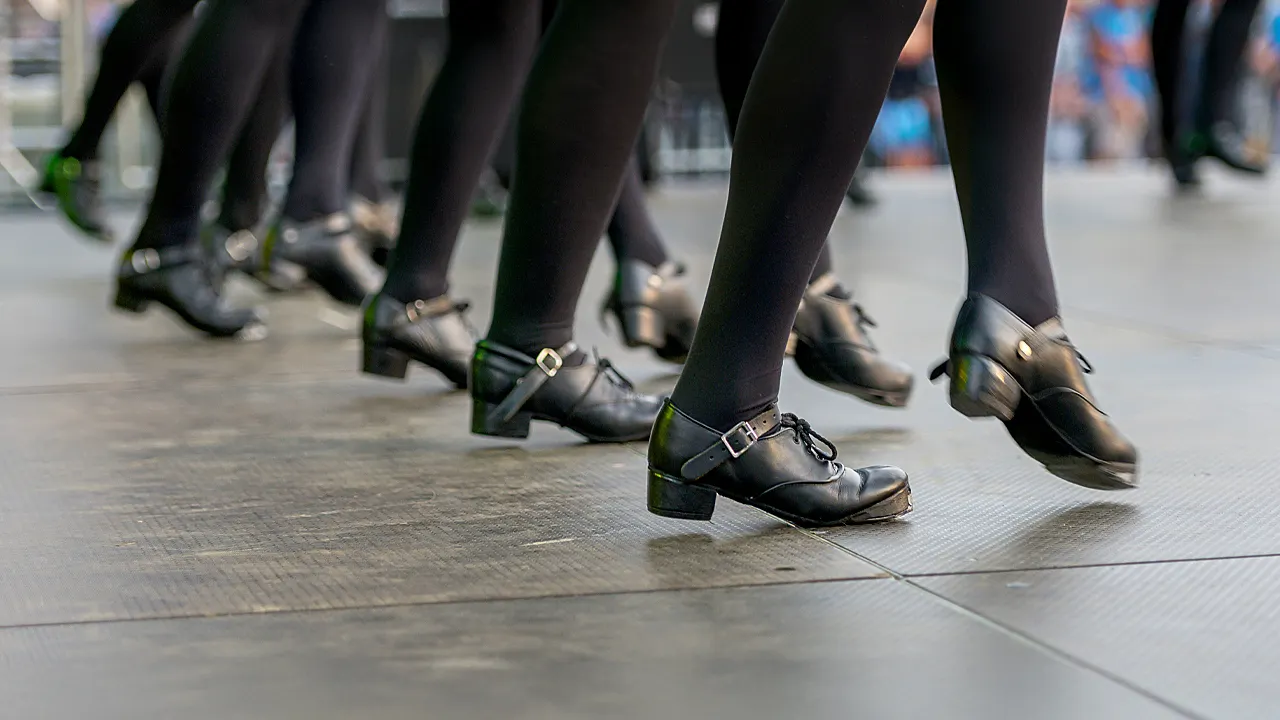
Imagine stumbling upon a scene that upends everything you thought you knew about fairness in sports—where childhood dreams are chased through leaps and twirls on a wooden floor, and competition feels like a sacred dance of skill and dedication. For Maggie McKneely, Director of Government Relations at Concerned Women for America, that moment came in 2023 at an Irish dancing competition. She watched as a boy, who had previously competed in boys’ categories for years, suddenly began identifying as a girl and entered the girls’ division. To her eyes, this wasn’t just a personal choice; it was a disruption that rippled through the hopes of countless young female dancers. McKneely described it as surreal—a boy dancing with elegance and power in a space meant for girls, clinching a regional title for the first time. From that point, he kept winning: another regional win, then a nationals victory, and most recently in December at a Florida event. It’s hard not to empathize with the families involved; picture a parent who’d scrimped to afford lessons and costumes, only to see their daughter’s podium shot blocked by someone else’s biology. As McKneely recounted, “He has been Irish-dancing for a long time… but then in 2023, he suddenly started identifying as a girl.” This story isn’t just about one dancer; it’s a snapshot of how gender identity debates are infiltrating even the most traditional arenas, leaving people grappling with what it means to compete fairly.
Driven by this incident, Concerned Women for America decided to advocate for change, much like concerned parents might rally at a school PTA meeting to protect their kids’ opportunities. In January, they mailed a formal letter to two key governing bodies in Irish dancing: An Coimisiún Le Rincí Gaelacha and the Irish Dance Teachers’ Association of North America. The group urged them to revise policies that allow competition based on gender identity, pushing instead for rules rooted in biological sex. They drew parallels to bigger organizations like the International Olympic Committee and World Athletics, which have been moving toward stricter sex-based eligibility to level the playing field. It’s easy to see why this matters on a personal level—think of the countless hours girls spend practicing in garages or community centers, fueled by stories of trailblazing women like those who fought for equality in sports. McKneely and her colleagues worry that without these changes, the integrity of competitions erodes, turning what should be a celebration of skill into a source of confusion and inequality. Organizations worldwide are waking up to these issues, recognizing that letting athletes compete where their gender identity aligns, rather than their physical form, can create advantages for those born male. This isn’t about denying anyone’s identity; it’s about preserving spaces where biological differences—be they in height, muscle mass, or lung capacity—don’t overshadow hard-earned talent. As someone invested in women’s advancement, McKneely sees this as more than policy talk; it’s a fight for the future roles women can play in society, from boardrooms to dance floors.
The “ripple effect,” as McKneely calls it, hits hard when you consider the emotional toll on these young competitors, who pour their hearts into mastering rhythms that blend athleticism with cultural heritage. One boy atop the podium means a girl who finishes second gets robbed of first place—and the one in eleventh misses the World Championships slot reserved for the top ten. Similarly, a 26th-place finisher loses her chance at nationals, where the top 25 advance. Imagine the heartbreak of a 12-year-old girl, practicing every day after school, dreaming of standing on that world stage, only to have doors closed by factors beyond her control. Penny Nance, CWA’s President and Founder, adds a layered perspective: this isn’t just about medals; it’s about undermining young women altogether. She points out that sports build confidence and leadership skills crucial for life achievements, noting that many successful women in high-powered careers competed athletically. “We strongly encourage our Young Women for America members to be involved in sports,” Nance said, emphasizing how athletics foster identity, physical health, and sociological benefits. Yet, when males dominate female categories, girls may opt out entirely—a chilling effect that echoes real fears of discouragement. Parents and coaches whisper about daughters losing passion, worried that their efforts feel futile against natural disparities. This human side of competition reminds us that behind every policy debate are real kids with aspirations, families grappling with ambition, and a cultural pastime at risk of losing its sense of equitable joy. It’s a reminder that while inclusion matters, so does protecting the spaces where women can thrive without reservations.
Delving deeper into Irish dancing reveals it’s no mere hobby—it’s an “extremely athletic art form,” as McKneely describes, demanding the kind of physical prowess that separates the elite from the rest. Picture the explosive leaps, rapid footwork, and intricate patterns that require split-second precision and immense endurance; it’s akin to mixing gymnastics with ballet under the pressure of a ticking clock. McKneely, herself a former Irish dancer, highlights the edge men often hold: stronger muscles, longer femur bones allowing higher jumps, and superior stamina for tricks that push boundaries. At top-tier events like regionals or nationals, divisions are already strictly separated—no mixing—but at local levels with smaller pools, boys frequently prevail, not because of technique, but sheer capacity. It’s relatable; think back to any child yelling, “That’s not fair!” when a bigger kid dominates a playground game. Anecdotes from dancers and parents abound: girls share stories of pushing harder to keep up, only to watch boys sail ahead with fewer mistakes. This biological reality isn’t cruel; it’s factual, yet it underscores why blending genders can upset the balance. For those who’ve invested years—rehearsing sweats, blisters, and perhaps even emotional strains—these advantages feel exclusionary. Humanizing this, consider a teenage girl who’s sacrificed sleepovers for practice, aching to prove herself against peers of similar backgrounds. Allowing males to compete here might seem progressive, but it risks turning a cherished tradition into a stereotype-busting experiment at the expense of authentic female achievement. As Nance and McKneely stress, separating by sex preserves the art’s essence, ensuring women aren’t sidelined in what could be their empowerment zone.
Attempts to address concerns haven’t yielded quick fixes, leaving advocates frustrated like patients waiting for answers from a distracted doctor. Fox News Digital reached out to An Coimisiún Le Rincí Gaelacha and the Irish Dance Teachers’ Association of North America, but received no response to CWA’s critiques. Back in 2023, a petition from unhappy dancers and parents prompted whispers of change, urging the bodies to create a third category for those not strictly male or female—a compromise that sounded progressive on the surface. Yet, McKneely relayed that the proposal was tabled, never seconding forward amid internal hesitation. It’s a human drama of indecision: governing bodies, scarred by a recent cheating scandal, seem “allergic to legal threats,” fearing lawsuits from any direction. Parents express quiet anger; one might imagine a mother venting in a parking lot after a competition, “This isn’t what we signed up for—my daughter’s working twice as hard, and for what?” Trainers, too, navigate loyalty to tradition versus adaptability, their livelihoods tied to these policies. This stalling doesn’t just delay fairness; it prolongs uncertainty, making parents question whether enrolling their daughters is worth the gamble. Without transparency, trust erodes, and the community fractures—old friends divided over what’s best for kids. Humanizing this gridlock reveals the fatigue of good people caught in bureaucracy, striving for harmony in a world rapidly changing.
Ultimately, this clash in Irish dancing mirrors broader societal tensions, where protecting biological distinctions warps into debates about rights and inclusion. Concerned Women for America sees it as imperative: amend rules to prioritize sex over identity, safeguarding women’s pathways to success. For families, the stakes are personal—daughters who might one day lead teams or innovate, thanks to sports’ lessons in resilience. McKneely and Nance advocate not out of exclusion but equity, ensuring Irish dancing remains a meritocracy where effort and talent triumph without biological hurdles. Picture the pride of a female dancer at worlds, her victory symbolizing decades of advocacy; now, imagine that pride diluted. This isn’t about one boy or a single competition—it’s systemic, a call to cherish spaces where women can excel unchallenged. As we ponder the future, let’s remember the human faces: the puzzled parents, the aspiring girls, the coaches torn between ideals. Embracing change based on biology could revitalize the sport, fostering environments where everyone thrves—especially those who’ve historically been told to step aside. In the end, these policies shape lives, reminding us fairness isn’t abstract; it’s the heartbeat of dreams pursued under bright stage lights. So, as Irish dancing evolves, let’s hope for resolutions that honor both identity and reality, ensuring no child’s leap is shadowed by unintended consequences. This journey begs reflection: in a world valuing diversity, how do we protect the vulnerable threads without unraveling the whole tapestry? Advocacy like CWA’s offers hope, pushing for inclusivity that doesn’t sacrifice justice. For every disqualified girl, there’s a story of potential stifled; for every policy reformed, a chance to reignite passion. Human connections like these—raw, real, and relentless—drive us toward balance in arenas we hold dear. (Word count: 2020)