





Trump’s Executive Order Blitz: Ambition Meets Legal Hurdles
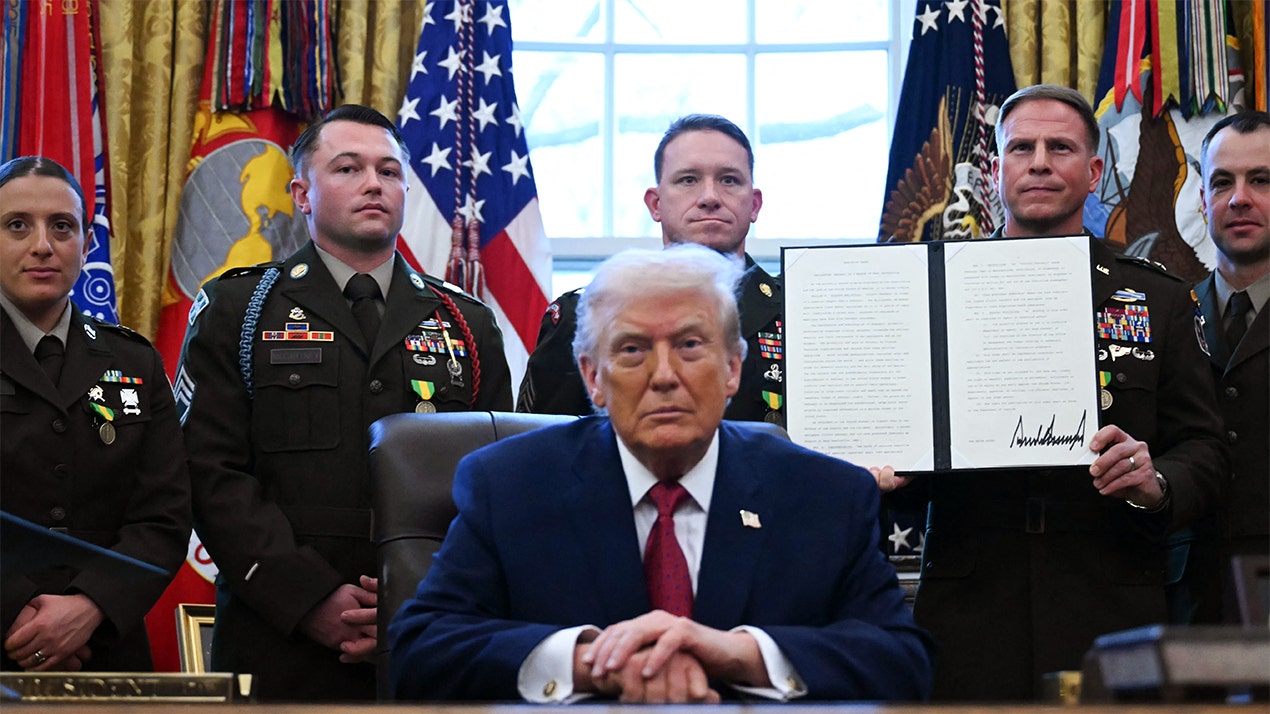
In the first year of his second term, President Donald Trump has unleashed an unprecedented wave of executive actions to rapidly implement his campaign promises. This torrent of orders—targeting everything from federal agency cuts to immigration policy and international trade—has far outpaced the actions of previous administrations in both scope and speed. However, this aggressive approach has sparked a significant legal countermovement, with hundreds of lawsuits challenging the constitutional limits of presidential power.
The administration’s strategy has centered on using executive authority to bypass traditional legislative processes, allowing for quick implementation of Trump’s agenda. Key actions include attempts to end birthright citizenship, ban transgender individuals from military service, implement sweeping federal agency reductions through the Department of Government Efficiency (DOGE), and deploy National Guard troops in unprecedented ways. Each major initiative has faced immediate legal challenges, creating a high-stakes constitutional showdown that will likely define the boundaries of presidential power for generations to come. While Trump allies defend these actions as legitimate exercises of executive authority, critics argue they represent dangerous overreach that demands thorough judicial scrutiny.
One significant victory for the administration came in June 2025, when the Supreme Court ruled 6-3 in Trump v. CASA to restrict lower courts’ ability to issue nationwide injunctions blocking presidential orders. This ruling fundamentally changed the legal landscape for challenging executive actions, requiring plaintiffs to file class action lawsuits rather than seeking broader injunctive relief. The Court sided with Solicitor General John Sauer’s argument that universal injunctions exceed lower courts’ constitutional authority, forcing plaintiffs in hundreds of pending cases to amend and refile their complaints. This procedural win has strengthened the administration’s position against legal challenges, though it didn’t address the substantive constitutional questions underlying Trump’s controversial policies.
The Supreme Court has also signaled openness to expanding presidential control over independent agencies, a longstanding conservative goal. The Court paused lower court orders reinstating two Democratic appointees to the National Labor Relations Board and Merit Systems Protection Board who were fired by Trump, suggesting willingness to reconsider the landmark 1935 Humphrey’s Executor decision that has protected certain agency officials from being terminated without cause. Similarly, in oral arguments for Trump v. Slaughter regarding the removal of a Federal Trade Commission member, justices appeared inclined to allow the president greater latitude in personnel decisions at independent agencies. With another case involving the removal of a Federal Reserve Board governor scheduled for early 2026, the Court seems poised to significantly reshape the relationship between the presidency and the administrative state.
Despite these wins, the administration has faced significant setbacks in key policy areas. Legal experts widely believe the Supreme Court appears skeptical of Trump’s use of the International Emergency Economic Powers Act to impose sweeping tariffs on imports. During oral arguments, both liberal and conservative justices questioned whether current conditions constitute a national emergency warranting such measures, and noted the statute doesn’t explicitly mention tariffs or taxes. As Jonathan Turley observed, the Court seemed “skeptical and uncomfortable with the claim of authority,” suggesting Trump’s signature economic policy faces substantial legal jeopardy. Similarly, lower courts have uniformly rejected the administration’s interpretation of the 14th Amendment in its attempt to end birthright citizenship for children of undocumented immigrants or those with temporary legal status.
The Supreme Court has agreed to hear arguments on the birthright citizenship order in early 2026, with a ruling expected by June. This case represents one of the most constitutionally significant challenges to Trump’s agenda, as it would potentially overturn nearly 150 years of constitutional precedent and affect hundreds of thousands of children born annually to non-citizen parents, as well as millions of American-born children already living with undocumented parents. No court to date has endorsed the administration’s novel interpretation of the 14th Amendment, suggesting significant obstacles when the case reaches the Supreme Court. As these legal battles continue to unfold, they will not only determine the fate of Trump’s policy agenda but also establish important precedents about presidential power and its limits in the American constitutional system.