




A Voice Silenced, Then Defended
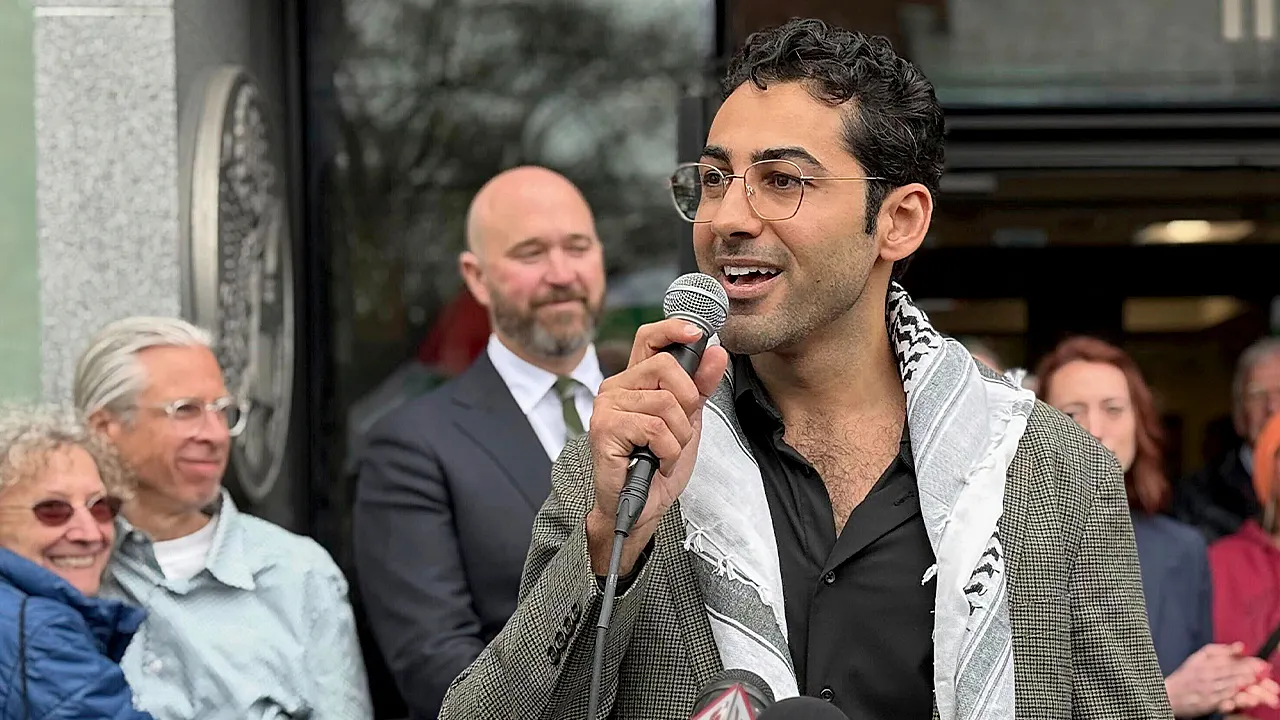
Picture this: Mohsen Mahdawi, a 34-year-old activist who’s poured his heart into advocating for Palestinians, found himself at the center of a high-stakes drama in the spring of 2025. As a leader of pro-Palestinian protests at Columbia University, he’d co-founded the Palestinian Student Union after the heartbreaking Hamas attacks on October 7, 2023. He didn’t just organize rallies; he believed in speaking out for peace and justice amid a world torn apart by conflict. But when he showed up for a routine citizenship appointment in Vermont, federal authorities detained him—snatching him away like a thief in the night. For over two weeks, he languished in custody, a man stripped of his freedom simply for expressing his beliefs. It was a chilling reminder of how fragile our rights can feel when they’re challenged by powerful forces.
The Judge’s Bold Stand
Enter Judge Nina Froes, a federal judge who wasn’t about to let bureaucracy trample on due process. On a Tuesday that felt like a turning point, she blocked the Trump administration’s efforts to deport Mahdawi. Her ruling was sharp and unyielding: government lawyers had messed up procedurally. They submitted a photocopy of a key document—referencing Secretary of State Marco Rubio’s words about expelling noncitizens who might harm U.S. foreign policy interests—but they forgot to certify it as required by law. For an activist like Mahdawi, who had been released on bail after filing a habeas corpus petition and under an order from U.S. District Judge Geoffrey Crawford, this was a beacon of hope. “I’m grateful,” he said in a humble statement, “for honoring the rule of law against the government’s attempts to trample due process.”
Gratitude and Defiance in Mahdawi’s Words
Mahdawi’s response wasn’t just relief; it was a rallying cry. “This decision is an important step towards upholding what fear tried to destroy: the right to speak for peace and justice,” he declared, his voice echoing the struggles of countless voices stifled by authority. We can imagine him, after those grueling weeks in detention, feeling a rush of emotion—half grateful to a system that worked for him this time, half defiant against those who sought to silence him. His story resonates with anyone who’s ever stood up for a cause, facing backlash that feels personal and profound. It’s the kind of moment that reminds us human dignity hangs by threads, and how vital judges are in knotted battles like this.
The Administration’s Unyielding Response
Yet, the Trump administration showed no signs of backing down. Department of Homeland Security spokeswoman Tricia McLaughlin slammed the ruling, calling it misguided and vowing to press on. “No activist judge, not this one or any other, is going to stop us from doing that,” she shot back, committed to revoking Mahdawi’s visa. The irony isn’t lost: in a world of political posturing, where labels like “activist judge” get tossed around, it highlights the deep divisions over immigration, free speech, and foreign policy. McLaughlin’s words paint a picture of resolve, but they also underscore the tension—government workers, bound by rules, clashing with court rulings that demand accountability. It’s like a chess game where every move protects or undermines principles we hold dear.
Echoes of a Troubled Past
Digging deeper into Mahdawi’s case reveals roots that go back a decade, adding layers of complexity to his present predicament. Court records from 2015 describe a troubling incident at a Vermont gun store and firearms museum, where Mahdawi reportedly made antisemitic remarks. The owner claimed he’d expressed interest in buying a sniper rifle and an automatic weapon, even boasting about experience building modified 9mm submachine guns “to kill Jews while he was in Palestine.” These allegations, part of what prompted his 2025 detention, paint a murky picture of a man shaped by trauma. Was he just venting rage from personal losses in conflict? Or did his words cross lines that justify exile? In humanizing this, we see a young man from a war-torn region, grappling with grief and identity, but the weight of such statements can’t be ignored—they invite scrutiny and fear.
A Bigger Narrative of Division
Mahdawi’s story fits into a larger tapestry of societal rifts, where surveillance of voices critical of Israel intensifies. Connections to figures like Mahmoud Khalil, another accused anti-Israel “ringleader” whose deportation was halted by a judge, show patterns of government crackdowns on activists deemed threats to foreign policy. As DOJs expose “violent rhetoric” from radical protesters, it begs questions: Where do free speech freedoms end and national security begin? For Mahdawi, this isn’t just about deportation; it’s about reclaiming his humanity in a polarized America. His release and the ruling offer a moment of reconciliation, but the administration’s defiance hints at battles yet to come, reminding us that justice is often won in inches, through the courage of individuals willing to speak out despite the cost.