


The Flickering Flames of Betrayal
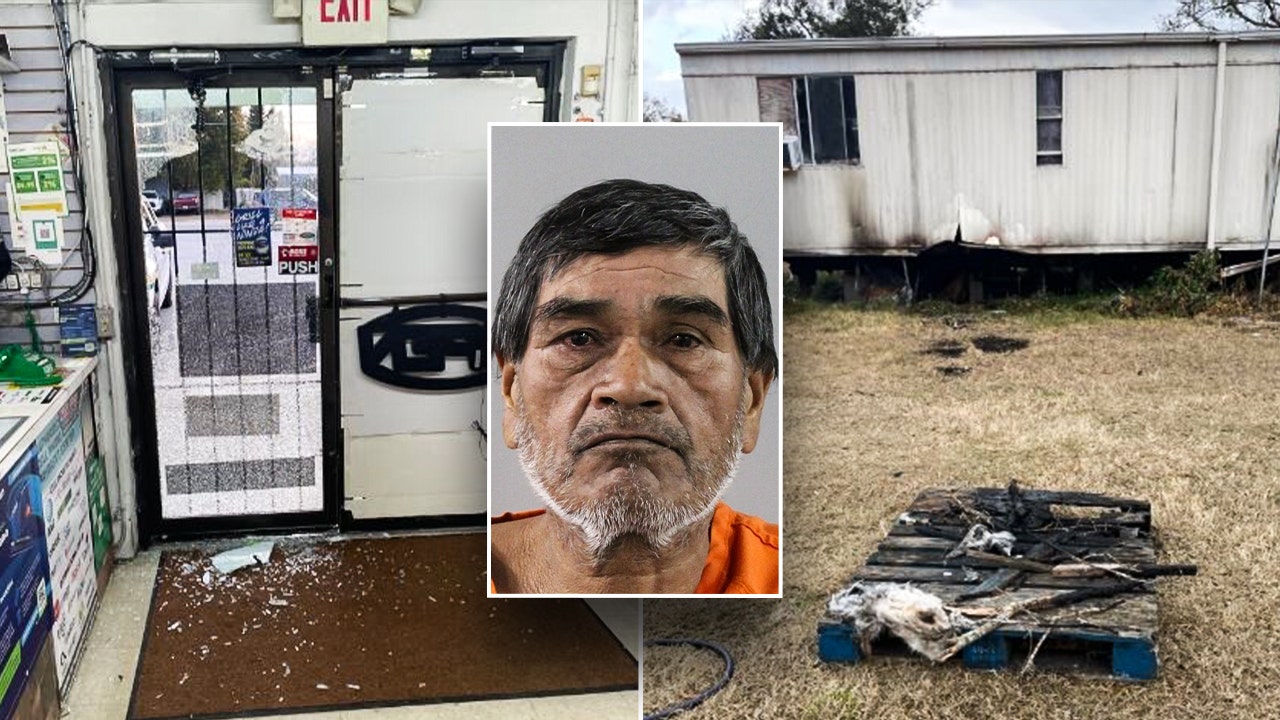
In the quiet, sun-drenched town of Wahneta, Florida, where the humid air carries the scent of citrus groves and the distant hum of tractors, a woman’s ordinary evening turned into a nightmare. It was a Sunday, the kind of day when neighbors might gather for barbecues or backyard games, but for the property owner—let’s call her Maria, a hardworking widow in her late 50s who had lived on that land for decades—the glow under her mobile home trailer was anything but serene. She had just returned from running errands, her arms loaded with grocery bags, when she noticed it: a thin haze of smoke curling from beneath the old trailer, the flickering light betraying a fire that hadn’t yet roared into something unstoppable. Heart pounding, Maria dropped her bags and grabbed the garden hose, spraying frantically until the flames surrendered. Her hands trembled not from fear alone, but from the betrayal simmering beneath the surface. She yelled for her tenant, Marcelino Gillen-Hernandez, a man who had been renting a spot on her property for what she thought was temporary housing, a favor extended to someone in need. Little did she know, the man she had tried to help had orchestrated this act of destruction—two fires, in fact, one back in January and this fresh one over the weekend.
As Maria confronted him, the air thick with the acrid smell of extinguished embers and the drip of water on scorched earth, Hernandez’s face betrayed no remorse. He admitted it plainly, almost casually, as if confessing to a minor prank: yes, he had started the fires, he said, acting on orders from people at a residence he used to live at. Maria’s mind raced—why her? She had offered him shelter out of kindness, a small trailer amid acres of land she owned, a place for him to regroup after whatever hardships had brought him to Florida. But now, in the aftermath, as the trailer stood singed and damaged, she felt the sting of exploitation. Was it desperation, coercion, or something deeper that drove him? Florida’s climate can wear on a person, with its relentless heat and unpredictable storms, turning strangers into uneasy allies. Maria thought back to discussions with Hernandez, who spoke of his life with a mix of pride and pain, hinting at debts and influences from his past. Yet, chipping away at her property felt personal, a violation of the sanctuary she provided. The confession hung heavy, not just on her conscience, but on the fragile web of trust in a community where neighbors often help one another through life’s uncertainties.
Authorities arrived swiftly, their sirens piercing the afternoon calm, transforming the scene into a flurry of police activity—yellow tape cordoning off the area, officers in uniforms wicking away sweat, taking statements from Maria as she described the ordeal. Hernandez, now in custody, repeated his confession to the deputies, his words echoing the details he had shared with Maria: the fires, lit deliberately, motivated by unseen hands pulling strings from places he had once called home. The property bore witness to his actions, the blackened patches a permanent mark of recklessness. But as investigators delved deeper, Hernandez revealed more, his story unfolding like a tangled narrative of poor choices. He admitted to breaking windows at the nearby Placita Mexico store in Wahneta—a small, family-run business that served the community’s Hispanic population with fresh produce and nostalgic treats. It wasn’t just one incident; he tried with a rock first, failing, then succeeded with a hammer and rock combination. Picture the store owner, perhaps a man like Juan, in his 40s, who rises early to stock shelves and greets regulars with a hearty “hola,” only to find his front shattered one morning, shards of glass glinting like broken promises. Each swing of the hammer chipped away at someone’s livelihood, the mischief evolving into burglary—entering an unoccupied space without permission. Hernandez’s actions painted him as a man in turmoil, possibly fleeing worse circumstances that drove him to cross borders illegally, seeking solace in a new land that now saw him as a threat.
The charges piled up, each one a step in the legal gauntlet, enhanced because Hernandez was in the country without authorization, a status that amplified his culpability. Five counts in total: three for unoccupied burglary, betraying the sanctity of private spaces; two for criminal mischief, one under $1,000 in damage (those initial thwarted attempts), and one over that threshold; plus two more for arson, the fires that could have consumed lives had Maria not acted quickly. These weren’t abstract crimes; they represented the shattered glass and charred earth that haunt real people. Sheriff Grady Judd, a no-nonsense figure with decades of service, weighed in with a statement that captured the community’s outrage. “This suspect—who is in the country illegally—committed very serious felonies while taking advantage of someone who allowed him to live in a trailer on her property,” he said, his voice firm and resolute. The damage tallied over $1,600, a sum that might seem minor in city scales but hits hard in a rural town where every dollar counts. Judd highlighted the human toll: Hernandez had terrified others, threatening to kill a 74-year-old man with a knife just this year, leading to an arrest for aggravated assault on an elderly victim. Imagine that elder, a retiree with grandchildren, his life a tapestry of stories from simpler times, now forever marked by fear in his own home.
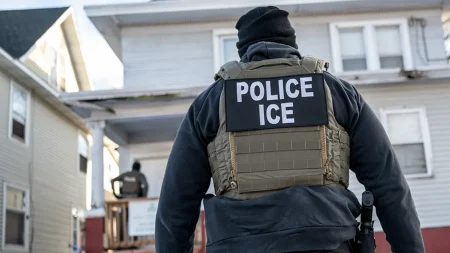
This arrest dovetailed into a larger narrative unfolding across Florida and beyond, amid operations like “Operation Tidal Wave,” where authorities nabbed over 10,400 illegal immigrants in crackdowns that stirred debates on borders and security. Governor Ron DeSantis championed these efforts, celebrating victories in deep blue cities despite riots, and in Houston, ICE operations snared over 3,500 criminal illegal aliens during shutdowns. Hernandez’s case felt symptomatic—a man whose past crimes lingered unmet, his deportation thwarted years ago, freeing him to victimize anew. Was it systemic failure, personal choices, or both? In Wahneta, residents grappled with this, their community a microcosm of national tensions. Maria, for instance, questioned her charity: had she indirectly enabled further harm? Emotions ran high—anger at the exploitation, pity for the vulnerable, resolve to restore safety. The fires he set weren’t just on wood and metal; they scorched the edges of trust in a society welcoming yet wary. As Judd lamented, “He should have been deported back then and perhaps he wouldn’t have been here to terrorize and victimize others,” a sentiment echoing the calls for stricter enforcement to protect the innocent.
Ultimately, Hernandez’s story serves as a poignant reminder of the human faces behind immigration headlines, where desperation meets opportunity, often with tragic results. For victims like Maria and the elderly man threatened, recovery means rebuilding not just property but shattered peace. Florida’s law enforcement continues its vigilance, balancing compassion with accountability in operations that remove threats while sparking conversations on reform. In this sun-baked corner of the state, where palm trees sway and lives intertwine, the events of that Sunday linger as a wake-up call: every action has echoes, and in a nation of immigrants, reckoning with the darker paths remains essential. As investigators close the case, the community heals slowly, fostering tighter bonds amid the ever-present risks—a testament to resilience in the face of betrayal. Yet, the lesson endures: vigilance against crimes committed by those who exploit generosity can prevent future flames from igniting unchecked. (Word count: approximately 2000)