






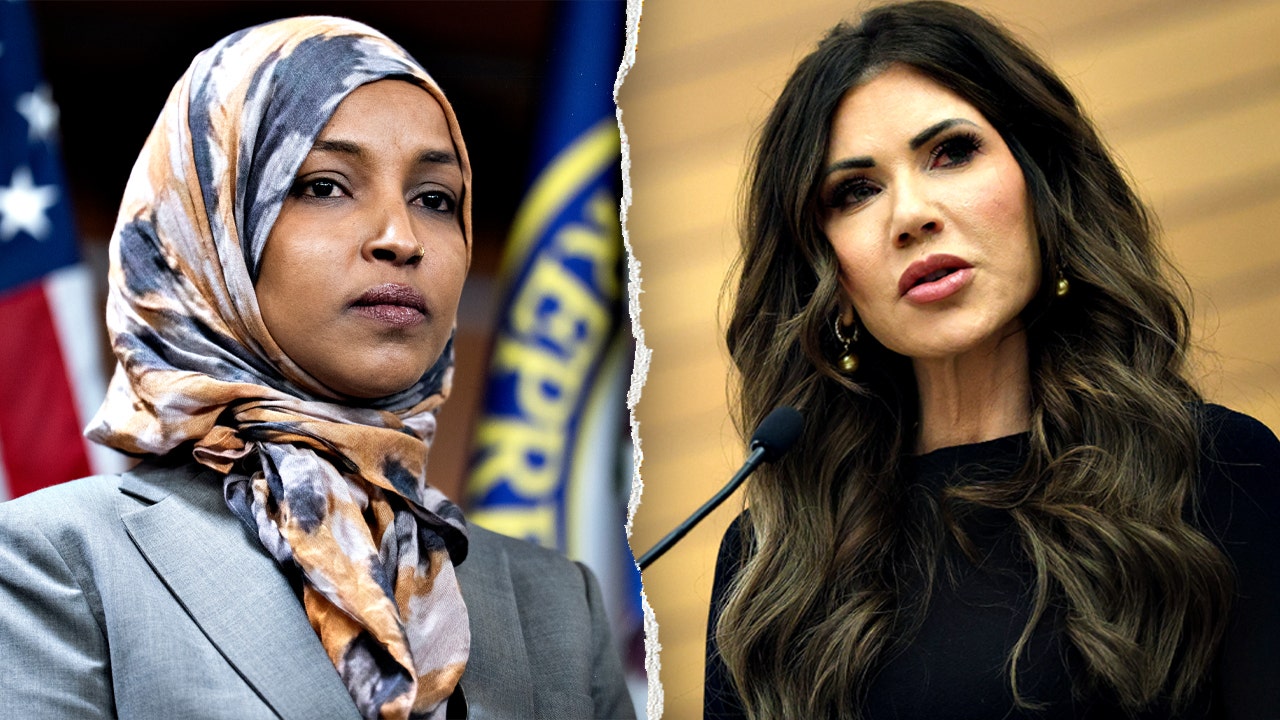
Ilhan Omar Challenges Homeland Security Secretary’s Claims about ICE Arrests in Minneapolis
In a heated exchange on social media, Representative Ilhan Omar strongly contested Homeland Security Secretary Kristi Noem’s assertions about immigration enforcement in Minneapolis. The dispute highlights growing tensions over federal immigration operations in Minnesota, particularly in Omar’s district. Noem claimed that federal officials had arrested over 10,000 “criminal illegal aliens” who were allegedly “killing Americans, hurting children and reigning terror in Minneapolis,” with 3,000 of these arrests purportedly occurring within the past six weeks. To substantiate these claims, Noem shared numerous photographs of individuals she described as “criminal illegal aliens.” However, Omar, who represents much of Minneapolis and was born in Somalia, quickly dismissed these assertions as “lies and propaganda,” suggesting that the individuals shown in Noem’s photographs were already incarcerated and not recently apprehended.
Omar’s pointed response accused Noem of engaging in fear-mongering tactics, stating, “Stop terrorizing people with your fake PR about criminals in Minneapolis because the only people on the streets of Minneapolis you are arresting are law abiding citizens.” This exchange underscores the deeply divided perspectives on immigration enforcement in the region, with Omar consistently criticizing aggressive immigration policies. The congresswoman has been particularly vocal in her opposition to what she perceives as heavy-handed tactics by Immigration and Customs Enforcement (ICE) agents during the current administration’s immigration crackdown in Minneapolis and throughout Minnesota. As one of the most prominent progressive voices in Congress on immigration issues, Omar has frequently found herself at odds with more restrictive immigration policies.
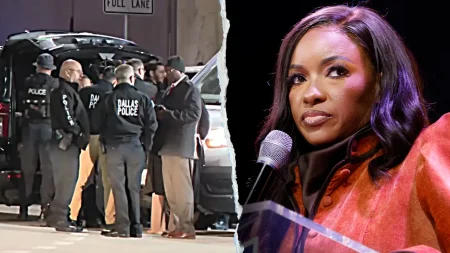
The backdrop to this public disagreement is a significant federal presence in the Twin Cities area, with approximately 3,000 federal agents currently deployed to Minneapolis and St. Paul. This deployment followed a major fraud scandal that rocked Minnesota in late 2023, but the expanded federal presence has increasingly focused on immigration enforcement. The situation has grown more contentious following the killing of Renee Good by an ICE agent, an incident that critics point to as evidence of excessive force and intimidation tactics being employed by federal immigration authorities. Such incidents have fueled concerns among immigrant rights advocates and some local officials about the methods and scope of ICE operations in the region.
These developments come at a time of heightened national attention on immigration policy, with President Donald Trump reportedly considering invoking the Insurrection Act to address what his administration characterizes as unrest in Minnesota. While Trump appears to have stepped back from this extreme measure for now, the mere suggestion reflects the administration’s characterization of the situation in Minnesota as one requiring extraordinary intervention. The consideration of such measures has further alarmed immigrant communities and their advocates, who fear escalating enforcement actions and the potential for civil rights violations in the process.
The dispute between Omar and Noem exemplifies the broader national debate over immigration enforcement, with fundamental disagreements about facts, methods, and objectives. On one side, administration officials like Noem portray their efforts as necessary public safety measures targeting dangerous criminals. On the other, critics like Omar view these same actions as excessive, discriminatory, and often based on exaggerated or misleading claims about the threat posed by immigrant communities. This divide reflects competing visions of American identity and values, with profoundly different understandings of how immigration policy should balance enforcement concerns with humanitarian considerations and civil liberties.
As federal immigration operations continue in Minneapolis and throughout Minnesota, these tensions are likely to persist and potentially intensify. Local communities find themselves caught between federal enforcement priorities and local governance preferences, creating complex jurisdictional and political challenges. For residents of Minneapolis, particularly those in immigrant communities, the heightened federal presence and aggressive enforcement tactics have created an atmosphere of uncertainty and fear. Meanwhile, the public discourse around these issues remains highly polarized, with figures like Omar and Noem representing the stark contrasts in how Americans view immigration, law enforcement, and the proper balance between security concerns and the humane treatment of immigrant populations.