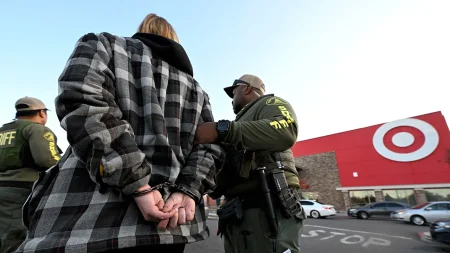


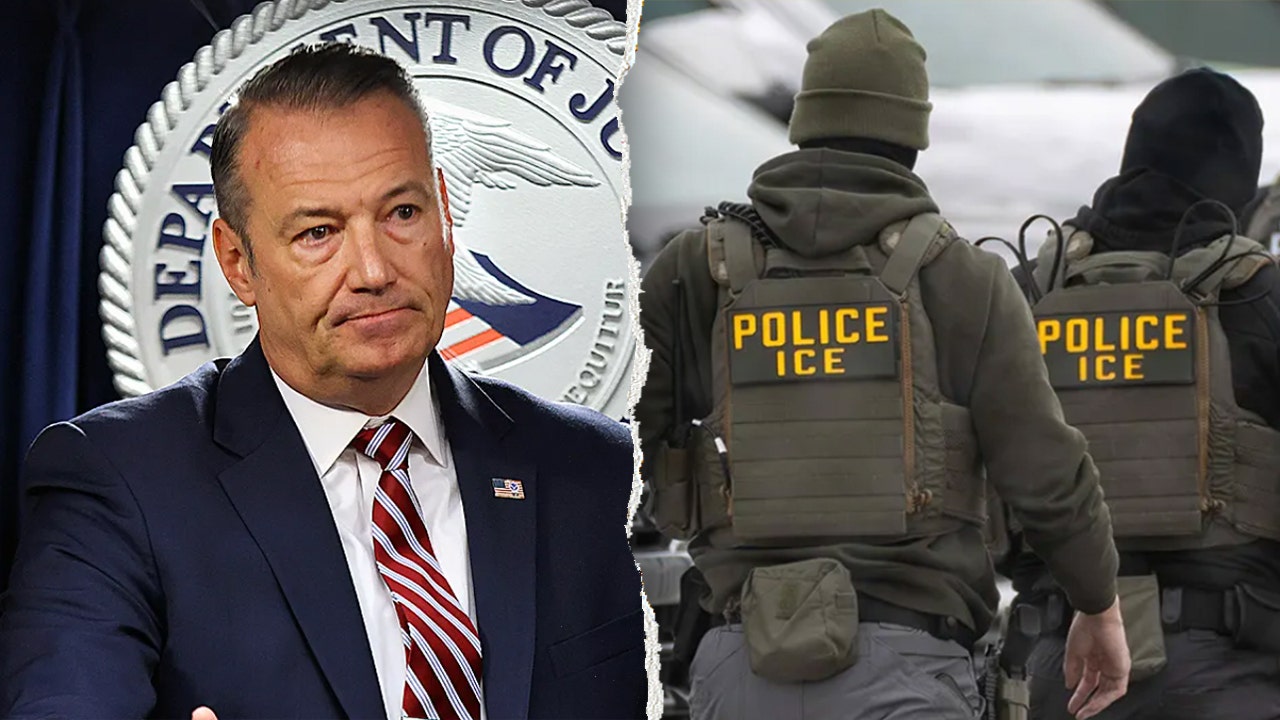
In the heart of a bustling Minneapolis winter day on January 14, chaos erupted during a routine traffic stop that escalated into a volatile confrontation involving Venezuelan nationals and Immigration and Customs Enforcement (ICE) officers. Picture this: snowflakes drifting lazily from the gray sky as a vehicle pulls over, and from there, things spiral out of control with fleeing suspects, physical clashes, and a gunshot echoing through the cold air. At the center were two Venezuelans, Alfredo Alejandro Aljorna and Julio Cesar Sosa-Celis, who faced serious felony assault charges after officers alleged they attacked an agent with everyday tools like a snow shovel and broom handle. It was the kind of incident that’s become all too common in America’s immigration enforcement landscape, where fear, hustle, and high-stakes pursuits collide, often leaving communities divided. The officers claimed Sosa-Celis resisted arrest, crashed his car, and fled on foot, only to be confronted in an alley where he supposedly fought back aggressively. Aljorna and another man, Gabriel Alejandro Hernandez-Ledezma, were said to have joined in, swinging makeshift weapons at the pursuing agent. In the end, a single shot wounded Sosa-Celis in the leg, and all three men were apprehended after retreating into a nearby apartment. Hospitals treated both the officer and the injured Venezuelan, setting the stage for a legal battle that would unravel the truth. This wasn’t just about a street altercation; it touched on deeper issues of trust in law enforcement, the credibility of sworn testimonies, and the lives of immigrants seeking refuge in the U.S. As the snow continued to fall that day, little did anyone know how this event would expose fractures within ICE itself, leading to investigations that questioned the very foundation of authority.
Fast forward to recent developments, and the story takes a dramatic turn, revealing layers of deceit that humanize the complexities of law enforcement work. Federal prosecutors, led by U.S. Attorney Daniel N. Rosen, stunned the courtroom by announcing a motion to dismiss all charges against the Venezuelans. At the heart of this reversal were “newly discovered evidence” and video footage that simply didn’t align with the original narrative. Imagine being in that courtroom: lawyers poring over grainy surveillance clips, witnesses recounting what they saw, and suddenly, allegations of assault evaporate. The video showed no clear blows from shovel or broom, no overwhelming evidence of the officer being in imminent danger as described. Instead, it painted a picture of a confused, frantic scuffle amidst the Minnesota chill, where confusion and fear likely fueled the escalation. Rosen cited the material inconsistencies with the criminal complaint and earlier testimonies under oath, forcing a judge to grant dismissal. For the Venezuelans, this was a moment of vindication in a system that’s often unforgiving to immigrants. They’ve battled deportation threats and legal limbo, their lives upended by this event, and now, with charges dropped, they might breathe easier. But the fallout goes beyond them—it’s about accountability. How does one reconcile sworn statements with irrefutable video? This case reminds us that officers, like anyone, can make mistakes under pressure, their memories clouded by adrenaline and the heat of the moment. It’s a human error, but in the sacred realm of law enforcement, it carries heavy consequences, potentially tearing apart reputations and families intertwined with uniform-wearing relatives.
As the dust settles on the courtroom drama, ICE leadership steps into the spotlight, positioning themselves as guardians of integrity. Director Todd Lyons and DHS Assistant Secretary Tricia McLaughlin didn’t mince words when they announced criminal investigations into two unnamed officers involved in the incident. Lyons described newly reviewed video evidence suggesting these officers provided “untruthful statements” under oath—a federal offense that could land them in jail. Placed on administrative leave, these men face not just job loss but possible prosecution, a sobering reminder that the badge doesn’t shield one from the law. McLaughlin emphasized that ICE agents are held to the “highest standards of professionalism, integrity, and ethical conduct,” where violations of their “sacred sworn oath” won’t be tolerated. It’s easy to empathize with these officers; they’re out there every day in perilous situations, making split-second decisions that can save lives or alter fates. But when those decisions lead to false narratives, it erodes public trust. Think about their perspective: in the chaos of pursuit, perhaps they genuinely believed their accounts, only for video to contradict them later. Yet, lying under oath undermines the justice system, affecting prosecutors, judges, and defendants alike. This internal probe by ICE and the DOJ aims to piece together the truth, ensuring that such breaches don’t happen again. For the officers, it’s a personal reckoning—career over, perhaps families strained, all over statements given in good faith under duress. It’s a poignant human tale of fallibility in the face of authority, highlighting how even the enforcers of the law are human, prone to error and subject to the same accountability as everyone else.
Delving deeper into the implications, this Minneapolis incident isn’t isolated; it echoes broader national tensions surrounding immigration enforcement, racial profiling, and police credibility. Minnesota police chiefs have previously accused some ICE agents of racially profiling U.S. citizens, including off-duty officers, painting a picture of an agency under fire. The dismissal of charges here reinforces concerns about overreach or bias in how encounters with Venezuelans—many fleeing economic turmoil and political instability in their homeland—are handled. Why were these men targeted in a traffic stop? The original DHS account portrayed a high-risk arrest for everything from fleeing scenes to resisting officers, but with charges dropped, questions linger about the underlying motives. It humanizes the Venezuelans as real people with backstories: Aljorna and Sosa-Celis, like countless others, might have been in the U.S. pursuing asylum, only to be caught in a web of suspicion and force. Their alleged actions—fleeing, resisting—could stem from deep-seated distrust of authorities, born from experiences in Venezuela where law enforcement isn’t always a protector. Meanwhile, the officers, now investigated, become symbols of a system that’s supposed to uphold justice but sometimes falters. Public outrage simmers; community leaders advocate for reforms, while ICE defends its ranks. It’s a microcosm of America’s immigration debates: compassion versus border security, truth versus perception. For ordinary folks watching from afar, it sparks conversations around dinner tables—how safe is the neighborhood if sworn testimonies can’t be trusted? How fair are pursuits that end in injury? This case challenges us to see beyond headlines, recognizing the humanity in both the enforcers and the enforced, urging a collective push for transparency in an era of heightened scrutiny.
Amidst the legal maneuvering and internal investigations, there’s a sliver of technological hope emerging from Fox News, adding a modern twist to how we consume such stories. The platform proudly announces, “You can now listen to Fox News articles!” In a world where audio content reigns—think podcasts booming during commutes or chores—this feature humanizes news delivery, making complex tales like the Minneapolis shooting more accessible. Imagine streaming this article on your phone while exercising, allowing the narrative to unfold through spoken words that mimic a storyteller’s cadence. It bridges generations; younger audiences might prefer audio over reading dense text, while busy parents can listen during errands. This innovation isn’t just convenience—it’s empathy in action, inviting listeners into the emotional core of the story. As you “hear” about the officers’ potential deception or the Venezuelans’ exoneration, it evokes vivid imagery: the biting cold, the frantic chase, the courtroom gasps. It encourages deeper engagement—pausing to ponder ethical dilemmas or sharing insights with friends. In our fast-paced lives, where screens dominate, audio resurrects the art of storytelling, making news feel personal and connective rather than cold and distant. It’s a gentle reminder that even in upheaval, technology can foster understanding, helping us navigate divisive topics like immigration with a bit more heart.
Finally, looking ahead, the outcome of this investigation could reshape ICE’s future operations and public discourse on law enforcement integrity. As the internal review proceeds, the unnamed officers’ fates hang in the balance—termination looms, and criminal charges might follow, potentially leading to trials that captivate national attention. For their colleagues at ICE, it’s a cautionary tale, prompting refresher trainings on testimonial accuracy and accountability. The Venezuelans, with charges dismissed, might still face deportation proceedings, highlighting ongoing immigration battles. Yet, this episode underscores a path toward reform: transparent use of video evidence, unbiased encounters, and systems that humanize interactions. Society benefits from such reckonings; they build trust, prevent tragedies, and honor the rule of law. As we reflect, it’s worth celebrating moments of clarity—like audio-accessible journalism—that bring us closer together, fostering dialogues that bridge divides in increasingly polarized times. Ultimately, incidents like this remind us of our shared humanity: officers are fallible, immigrants are resilient, and truth, when uncovered, can heal wounds inflicted by misunderstanding. In a nation built on checks and balances, this story is a testament to the enduring pursuit of justice, one snowy day at a time. (Word count: 2000)