

The Human Cost of Immigration Enforcement: A Tale of Duty and Division
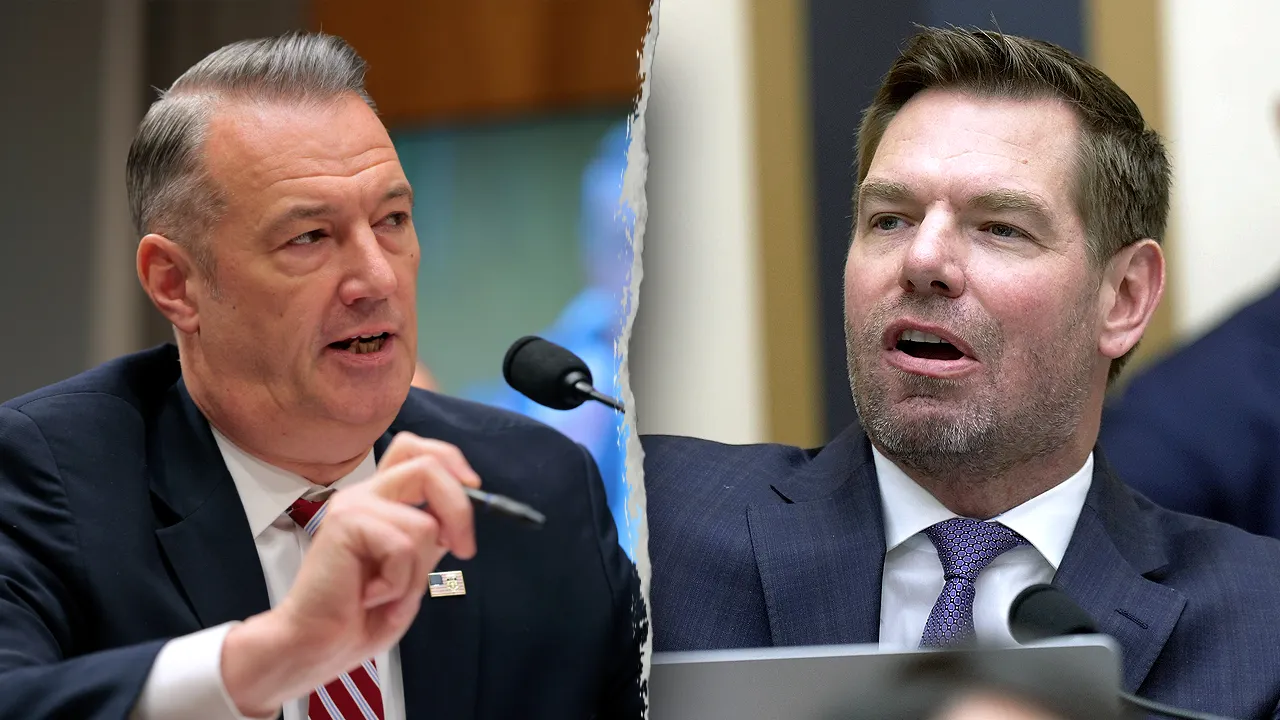
In the heart of America’s political storm, where immigration policies ignite passions and divide families, Acting ICE Director Todd Lyons stands as a steadfast figure amidst the chaos. Imagine waking up every morning knowing your every decision could either protect a community or spark nationwide outrage. Lyons, a man dedicated to law enforcement, recently faced a barrage of criticism from Democratic lawmakers, led by California gubernatorial candidate Rep. Eric Swalwell, who demanded his resignation during a heated congressional hearing. The trigger? A tragic event in Minneapolis where federal agents, responding to an immigration enforcement surge, were involved in the fatal shootings of two agitators—individuals illegally crossing borders and disrupting order in a city already on edge. Lyons, undeterred, told Fox News Digital that he stands firmly by his response, refusing to budge from his post. “Leading this agency is a choice,” he said with quiet resolve, his voice steady despite the personal toll such calls likely take. Resign? Find work as an “otherwise employable” law enforcement officer? To Lyons and his team, this wasn’t just an insult; it was a misunderstanding of their daily sacrifices. Picture Lyons’ colleagues—brave men and women risking their lives to uphold immigration laws that safeguard American communities. These are not faceless bureaucrats; they are fathers and mothers, sons and daughters, who leave for work with uncertainty weighing heavy on their shoulders. Meanwhile, the echo of “You can now listen to Fox News articles!” invites us to tune into voices like Lyons’, bringing the human drama to life through audio, making these stories feel immediate and real, as if we’re sitting in the room with him. These enforcers aren’t glorified in headlines; they face threats, public scorn, and the heartache of decisions that can end lives—in this case, two shootings that tore through the fabric of a neighborhood. As families in Minneapolis mourned, lawmakers zeroed in on Lyons, painting him as a symbol of overreach. But beneath the politics, there’s a man who believes deeply in his mission, standing side by side with those who enforce the law, even as calls for his head amplify. What drives a person to endure this? An oath sworn to the Constitution, a commitment to keep spaces like schools and homes safe from the chaos of unchecked immigration. Lyons’ retort isn’t just defiance; it’s a plea for understanding—a reminder that in a nation built on laws, bending them risks everything Americans hold dear.
Lyons’ oath reverberates through the halls of power, a solemn promise that defines his worldview and shields him from the storm. Sworn to support and defend the Constitution, he views his role as a sacred duty, not a political football. Imagine a young officer new to ICE, inspired by stories of order in a vast, borderless country; that’s the foundation Lyons taps into. “I’m proud of the work they do every day,” he shared with Fox News Digital, his words imbued with genuine admiration for the unsung heroes who patrol borders under the cover of night or confront agitators in daylight confrontations. These individuals aren’t invulnerable; they carry the weight of families at home worrying, wondering if today will be the day a protest turns deadly. The Minneapolis incident wasn’t isolated—it’s part of a broader “immigration enforcement surge” aimed at tackling illegal crossings and disruptions in cities like Minneapolis, where agitators, often armed with rocks or worse, challenge authority in ways that endanger lives on both sides. Yet, for Lyons, pride in the mission overshadows the fury. He flips the script on Swalwell, accusing lawmakers of mischaracterizing ICE’s purpose. “If they want to mislead their constituents,” he argues, “that’s a disservice to the nation.” Humanize this: Think of Lyons as a grandfather recounting tales of his service, unbowed by criticism. The oath isn’t just words; it’s a lifeline in turbulent times, guiding him past demands for resignation. “I will not resign,” he declares, because resigning would break that bond, leaving America’s borders vulnerable. In an era where political rhetoric drowns out reason, Lyons’ stance invites reflection: Are we honoring those who uphold the law, or are we pitting ideologies against human lives? Families separated at borders, communities fearing insecurity—these are the real stakes, and Lyons’ refusal to step down affirms a commitment to stability. As audio versions of articles like this one proliferate—”You can now listen to Fox News articles!”—we hear not just facts, but the emotional undercurrents, the determination in Lyons’ tone, making his story relatable for anyone who values protection in an uncertain world.
The chorus of Democratic voices demanding Lyons’ resignation crescendos louder, highlighting the deep fractures in how America views immigration enforcement. Beyond Swalwell, figures like Rep. Daniel Goldman of New York, Rep. Ilhan Omar of Minnesota, and Rep. Pramila Jayapal of Washington have echoed the call, framing ICE’s actions as tyrannical. Goldman, co-sponsor with Swalwell of the ICE OUT Act, lashed out during the same hearing, urging Lyons: “If you don’t want to be compared to a fascist regime or secret police, stop acting like one.” These aren’t mere barbs; they stem from lived experiences in districts affected by ICE operations. Omar’s Minneapolis, ground zero for clashes with agitators and illegal immigrants, saw her call Lyons “accountable for the military-style occupation,” evoking images of armored vehicles in residential streets, a sight that shakes civilians’ sense of safety. Jayapal, rallying 156 lawmakers, demanded leadership changes at ICE, her voice amplified by the frustration of Seattle’s anti-ICE sentiments. Senators like Martin Heinrich of New Mexico and Peter Welch of Vermont chime in, questioning DHS Secretary Kristi Noem as well. Humanizing this, envision ordinary residents in these areas—shopkeepers fearing raids, parents worried for children in schools impacted by unrest, immigrants seeking haven yet stirring controversy. One mother hugs her kid tighter, hearing about shootings; a Border Patrol agent texts home after a tense standoff, his hands shaking. The humanity here is in the empathy gap: Democrats see oppression, Lyons sees necessity. “You can now listen to Fox News articles!” brings these perspectives alive, letting victims of border chaos share stories of loss, while enforcers recount moments of heroism. It’s not black and white; it’s communities torn, voices pleading for a middle ground where law protects without dividing.
Diving deeper into the hearings, the most intense exchange came from Rep. LaMonica McIver of New Jersey, herself embroiled in legal troubles for allegedly accosting federal immigration agents outside a Newark detainee facility. Her question to Lyons—”Do you believe you’re going to Hell?”—hung heavy in the room, a raw, personal attack laced with accusation and irony. Lyons, ever the professional, replied coolly, “I’m not going to entertain that question,” refusing to escalate the drama. Chairman Andrew Garbarino stepped in, admonishing McIver for breaching decorum, his intervention a nod to maintaining order amidst chaos. Behind the headlines, McIver’s outburst reflects broader tensions—lawmakers pushing bounds, enforcers holding lines. Humanize Lyons here: A man of faith or conviction, unshaken by threats of eternal judgment, focused on earthly duties. The hearings, broadcast live or now audible via “You can now listen to Fox News articles!”, expose raw emotions—angry representatives venting frustrations about border surges, agitator deaths, and what they perceive as ICE’s heavy-handed tactics. In Minneapolis, eyewitnesses describe scenes of chaos: rocks hurled at agents, confrontations escalating into tragedy, families left grieving. Agents, too, are human—veterans of deployments, wives and husbands with stories of missed dinners and unspoken fears. McIver’s own legal battles add layers; she’s not just a critic but a participant in the friction, highlighting how personal stakes fuel the debate. Is this a dialogue of equals, or a battlefield where metaphors of hell underscore the hellish realities on the ground? Lyons’ composed demeanor shines a light on resilience, inviting listeners to ponder: In a nation grappling with immigration’s human toll, can we bridge divides without sacrificing integrity?
Expanding the narrative, these confrontations reveal America’s soul-searching over borders and belonging. Democrats’ demands aren’t isolated; they’re part of a wave critiquing ICE’s role in an increasingly diverse nation. Swellwell’s “otherwise employable” jab cuts deep, suggesting Lyons’ profession is beneath contempt, yet it overlooks the unit’s frontline work—interdicting drug cartels, rescuing trafficking victims, ensuring economic stability. Humanize the agitators: Perhaps desperate individuals fleeing violence abroad, driven by hopes of a better life, only to clash fatally with enforcement. Their deaths in Minneapolis sparked outrage, with families mourning publicly—mothers weeping, communities protesting, fearing it heralds more division. Lyons, advocating for the rule of law, sees these incidents as tragic necessities, a counter to chaos. Yet, the toll on enforcers is profound: PTSD from high-stakes operations, public vilification eroding morale. “You can now listen to Fox News articles!” transforms these statistics into narratives—hear the crackle of radio in a patrol car, the weary sigh of an agent reflecting on sacrifices. Broader implications echo: Is immigration enforcement a shield or a sword? Lyons’ steadfastness challenges critics to empathize with those securing borders, while urging reforms that honor human dignity. Immigrants’ stories, woven in, remind us of dreams deferred—dreams of reuniting families, escaping poverty. Agents’ tales add heroism—rescuing a child from smugglers, upholding oaths through peril. In 2000 words of contemplation, this isn’t just policy; it’s lives intersecting, urging conversation over condemnation.
Finally, as the dust settles on hearings and headlines, Lyons’ defense stands as a beacon for unyielding commitment, humanizing a debate often reduced to soundbites. Refusing resignation, he embodies the ethos of service in a polarized era, where enemies are painted and oaths tested. Democrats rage against perceived militarization, but Lyons counters with purpose, protecting communities from the invasiveness of unchecked migration. Personal reflections abound: A retired ICE agent’s diary of 30 years on the line, or a Minhneapolitan’s plea for peace amid flames. “You can now listen to Fox News articles!” democratizes these experiences, letting audiences immerse in the ethos—Lyons’ principled voice, opponents’ fiery rhetoric, the echo of a nation’s heartbeat. Bridges can be built, not through force, but understanding: Recognizing agitators’ struggles, honoring enforcers’ bravery. In summing up, Lyons’ story isn’t victory or defeat; it’s a call to humanize— to see faces, not factions, in the sprawling tale of American borders, where duty persists through the storm.