


ICE Reveals Disturbing Profiles of Criminal Immigrants in Minnesota
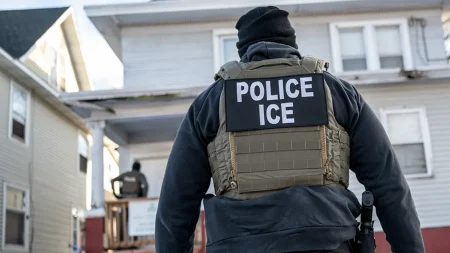
In a recent disclosure that has sent shockwaves through political circles, Immigration and Customs Enforcement (ICE) officials have released details of what they describe as the “worst of the worst” criminal immigrants arrested during recent operations in Minnesota. This revelation comes amid growing tensions between federal immigration enforcement and local sanctuary policies. ICE Director Todd M. Lyons emphasized that despite what he termed “staged political theatrics,” the agency remains committed to apprehending individuals with serious criminal backgrounds who pose threats to community safety. “Some of these criminal aliens have had final orders of removal for 30 years, but they’ve been free to terrorize Minnesotans,” Lyons stated, highlighting the frustration felt by immigration officials who believe their public safety mission is being undermined by political opposition.
The list of apprehended individuals presents a disturbing portrait of violent offenders who had been living freely in Minnesota communities despite having deportation orders, some dating back decades. Among those arrested were multiple individuals convicted of sexual crimes against children, including Sriudorn Phaivan, a Laotian immigrant with convictions for sodomy of minors and numerous other offenses who had been under deportation orders since 2018. Similarly alarming cases include Tou Vang, convicted of sexually assaulting a child under 13 and procuring a child for prostitution, and Chong Vue, convicted of raping a 12-year-old girl and kidnapping a child with intent to sexually assault her. These individuals had deportation orders dating back to 2006 and 2004 respectively, raising questions about how they managed to remain in the country despite their serious criminal histories.
The ICE report also identified nearly a dozen individuals with homicide convictions who had been living in Minnesota despite deportation orders. These include Abdirashid Adosh Elmi from Somalia, Gilberto Salguero Landaverde from El Salvador (convicted of three counts of homicide), Gabriel Figueroa Gama from Mexico, and several others from countries including Laos, Sudan, and Sierra Leone. Thai Lor, for instance, had been convicted of two counts of homicide yet remained in the country despite a deportation order from 2009. The presence of these individuals in communities has fueled the debate about public safety implications of sanctuary policies, with ICE officials arguing that their enforcement actions directly prevent recidivism and protect Americans.
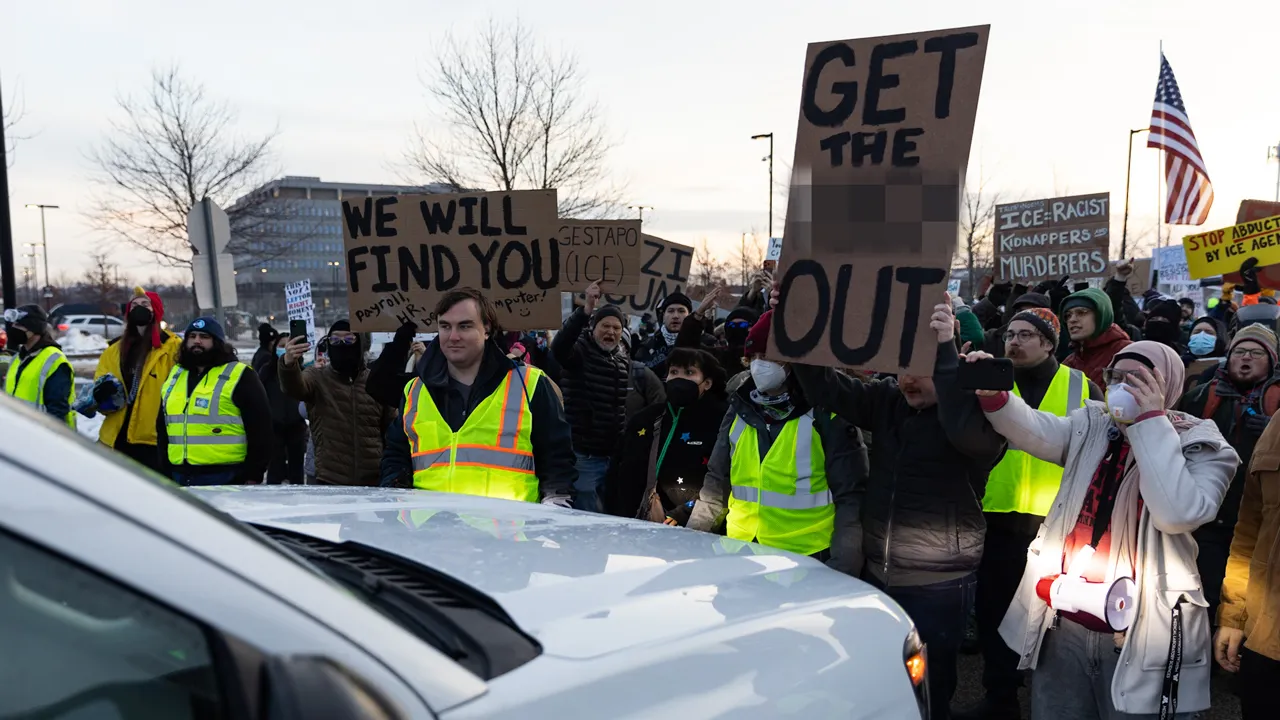
The timing of this disclosure comes amid heightened tensions surrounding immigration enforcement in Minnesota. White House Press Secretary Karoline Leavitt voiced support for ICE agents on social media, calling those arrested “sick people” and praising the “thankless work” of immigration officials who protect American communities. The Department of Homeland Security also weighed in, posting a photo of a plane on social media with the caption “Lawbreakers going wheels up in Minneapolis,” suggesting deportations were underway following the arrests. These statements reflect the sharply divided political landscape surrounding immigration enforcement, with federal authorities asserting their mandate while facing resistance from local officials in sanctuary jurisdictions.
The profiles of those arrested paint a complex picture of immigration enforcement challenges. Many of the individuals had been in the United States for decades despite deportation orders, raising questions about systemic failures in immigration enforcement. Kou Lor, for example, had been ordered deported in 1996 but remained in the country despite convictions for rape and sexual assault. Similarly, Gilberto Salguero Landaverde had been under deportation orders since June 2025 despite three homicide convictions. These cases illustrate the challenges of immigration enforcement when local jurisdictions limit cooperation with federal authorities, creating potential gaps that allow individuals with serious criminal histories to remain in communities despite deportation orders.
The disclosure of these arrest details occurs against a backdrop of broader national debates about immigration policy and enforcement priorities. ICE Director Lyons specifically criticized local politicians who he believes “want to ignore” the public safety benefits of immigration enforcement while “drumming up discontent rather than protecting their own constituents.” This tension between federal immigration authorities and local governments in sanctuary jurisdictions reflects fundamental disagreements about the proper balance between immigration enforcement and community trust. While ICE officials maintain that targeting individuals with serious criminal convictions makes communities safer, sanctuary proponents argue that limiting cooperation with federal immigration authorities encourages immigrant communities to report crimes and cooperate with local law enforcement. The Minnesota arrests illustrate how this debate continues to play out in communities across America, with profound implications for public safety, immigration policy, and the balance of power between federal and local governments.