Paragraph 1
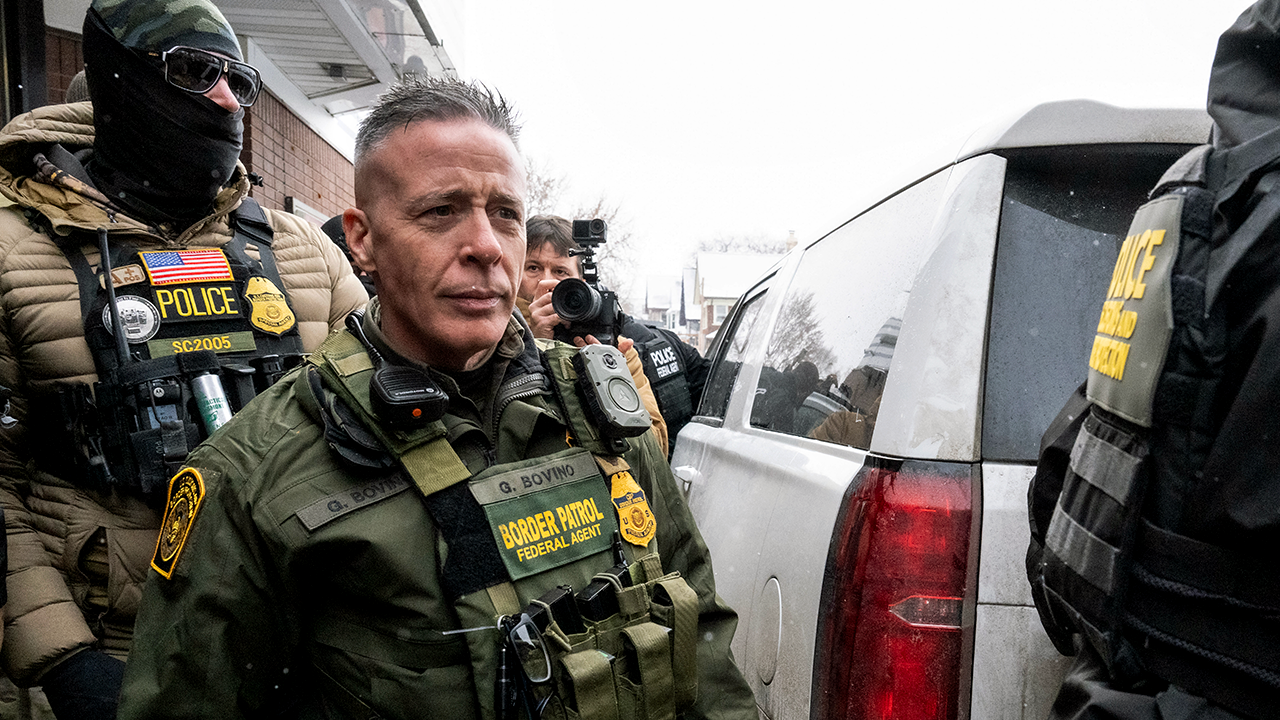
Imagine you’re a dedicated federal agent, like Commander Gregory Bovino of the U.S. Border Patrol, just trying to grab a quick snack or fill up your tank on a long shift protecting our borders. Instead, you walk into a Speedway gas station and get denied service outright—not because you forgot your wallet or caused a scene, but simply because of the badge you wear. This isn’t some dystopian nightmare; it’s a string of real-life incidents unfolding across America, where private businesses have turned away Immigration and Customs Enforcement (ICE) agents and Department of Homeland Security (DHS) officials. It’s heartbreaking to think that hardworking public servants, risking their lives day in and day out to uphold the law, are being treated like pariahs. Conservative activist Cam Higby captured one such moment on video, showing Bovino being followed out by a manager who bluntly stated, “Because I wanted to. I don’t support ICE and nobody here does.” The world watched as this played out, sparking outrage and deepening divides in a country already polarized. For those of us who believe in supporting law enforcement, it feels personal—a slap in the face to the families waiting at home for these officers to return safely. The question hangs heavy: Can private businesses really pick and choose who deserves basic services? As tensions rise, people are left wondering if this is the new normal, where ideology trumps decency and duty. It’s a reminder of how fragile our social fabric has become, with everyday errands turning into battlegrounds over national security and human dignity. The reactions online were swift and furious, with conservatives vowing to boycott chains that turn their backs on heroes in uniform. But beneath the anger, there’s a plea for understanding: these aren’t faceless drones; they’re neighbors, fathers, mothers, devoted to keeping us safe. In an era where trust in institutions wanes, denying service to those enforcing the laws we’ve all agreed to follow feels like a betrayal of the American dream itself. We have to ask ourselves, what kind of society welcomes this kind of selective hospitality? It chips away at our collective empathy, making it harder to bridge divides. Yet, as more stories emerge, there’s a growing chorus calling for accountability—not just from businesses, but from a culture that sometimes rewards divisiveness over unity.
Paragraph 2
Diving deeper into the Speedway incident, it’s hard not to feel a rush of indignation when you see the body camera footage from activist Cam Higby. There stands Commander Bovino, calm and professional, being escorted out like a criminal for daring to pursue his civic role. The manager’s words echo ominously: “I don’t support ICE and nobody here does.” It’s chilling to hear the employee dismiss potential illegality with, “If it is, I personally don’t care.” This isn’t just about one gas station; it’s symptomatic of a broader trend where agitators lurk, waiting to pounce on uniformed officials. Secretary of Homeland Security Tricia McLaughlin confirmed similar harassment at multiple stations, painting a picture of a hostile environment for those sworn to protect us. As someone who’s ever faced unfair treatment, you can empathize with the humiliation—being singled out not for your actions, but for your allegiance to the greater good. The silence from Bovino himself, when approached outside by well-meaning supporters, speaks volumes; it’s the quiet resolve of a man focused on duty amidst chaos. Fox News Digital tried to get a statement from Speedway and its parent company, 7-Eleven, but the corporate wheels turned slowly, with no immediate response. This delay only fueled the fire, making ordinary consumers like you and me question our loyalties. Remember that tug of conscience when you shop? Should we avoid places that shun our protectors? The human side here is gut-wrenching: these agents aren’t abstract entities; they’re people with stories, perhaps dreaming of retirement or just making it home for dinner. In a society that values freedom, this refusal feels like a double-edged sword, empowering some while disenfranchising others. We’ve all cheered for underdogs, but when the underdog is a federal officer tasked with keeping hostility at bay, it pivots our moral compass. The video went viral, amplifying voices from all sides, yet it reminds us of the power of representation—the raw emotion captured on that recording isn’t just news; it’s a mirror to our fractured humanity. Ultimately, it’s a wake-up call: denying service might taste like “democracy,” as one bakery slogan suggests, but it leaves a bitter aftertaste for those upholding it.
Paragraph 3
Stepping beyond Speedway, these incidents ripple out to paint a troubling pattern of hostility toward DHS personnel. Take the Hampton Inn in Lakeville, Minnesota, where ICE agents found their reservations canceled not once, but repeatedly, with staff bluntly suggesting they pass on the unwelcome news. It’s unimaginable—a staple of American roadside hospitality playing gatekeeper based on one’s job badge. Picture yourself as a weary traveler, expecting a clean room and a good night’s rest, only to be rejected because of invisible politics. Homeland Security Secretary Kirsti Noem faced her own ordeal in a Chicago suburb, barred from using a restroom in a commercial building. These aren’t isolated hiccups; they’re orchestrated acts that chip away at the dignity of public servants. It’s enraging to consider the toll this takes on families—spouses worrying about more than just border patrols, now fretting over everyday errands turning dangerous. The human cost is staggering; agents report feeling like targets in a war of words and wills. Yet, amid the outcry, companies scrambled to respond. Hilton, the granddaddy of hospitality giants, issued apologies and took swift action against the franchisee, Everpeak Hospitality, revoking their Hampton Inn affiliation and even deploying a crane to dismantle the iconic sign. CEO Christopher Nassetta explained the bomb threats that led to closing another DoubleTree property, drawing a line between security concerns and outright bias. But here’s where it gets messy: some see this as principled stands against policies they oppose, while others view it as reckless endangerment of lives. As a consumer, do we condone businesses that prioritize ideology over safety? It’s a sobering thought experiment—walking in the shoes of those denied essentials, feeling the sting of exclusion for the crime of protecting our freedoms. The ripple effects extend to communities, where trust erodes, and neighbors eye each other with suspicion. We’ve all been stranded or inconvenienced; now imagine it amplified by national debate. These stories humanize the struggle, reminding us that behind badges are beating hearts grappling with an ungrateful nation. In the end, it’s not just about legality—it’s about the unwritten contract of civility we all signed.
Paragraph 4
Now, let’s talk about the corporate fallout and the mixed messages from the business world. Hilton’s decisive moves—apologizing publicly, severing ties with defiant franchises, and even removing signs—might reassure some, but it raises eyebrows about consistency. CEO Nassetta distinguished between genuine threats and discriminatory denials, saying safety issues affect everyone, not just agents. It’s a fair point, yet it begs the question: where does discretion end and discrimination begin? For instance, while Speedway’s silence resonates with neglect, Hilton’s actions signal accountability, potentially saving face and customer loyalty. But humanizing this means considering the inner turmoil at play—executives juggling profits, public image, and moral imperatives. You’ve probably felt that pull yourself, choosing companies that align with your values. In this case, the backlash has been swift, with online boycotts gaining steam and conservatives flooding social media with vows to ditch 7-Eleven brands. It’s empowering to channel that collective power, but also a bit daunting—how do we ensure our voices are heard without alienating communities? Experts like former Assistant U.S. Attorney Zack Smith weigh in, calling the Speedway manager’s stance “shameful conduct.” From his perspective at the Heritage Foundation, penalizing law enforcement for enforcing laws is not just wrong; it’s harmful to businesses and society. Smith draws parallels to the George Floyd aftermath, where heightened emotions led to refusals that ultimately backfired, hurting the refusers more than the refused. As someone who advocates for constitutional rights, Smith emphasizes that while businesses might hold a legal right to deny service, morally, it’s indefensible. He’s got a point that hits home: these agents are out there every day, facing real dangers, only to be humiliated in public. The viral nature of these events amplifies the human drama, turning private moments into national reckonings. Yet, there’s hope in consumer activism—the idea that purse strings can exact justice where laws might lag. It’s a call to action for ordinary folks: vote with your wallet, support those who uphold the order we cherish. In a world of outrage, channeling it toward positive change feels cathartic, a way to reclaim agency in turbulent times.
Paragraph 5
Zooming out, the implications of these refusals touch on deeper societal wounds. Smith argues that while denial might be legally permissible in private enterprises, it corrodes public trust and undermines our shared values. He recalls the emotional turmoil post-George Floyd, where similar refusals spurred cycles of harm, ultimately costing businesses dearly through lost patronage. It’s a lesson in unintended consequences—acts of protest that start with a manager’s whim end with black eyes for entire chains. For the agents involved, this isn’t theoretical; it’s a daily grind where heroism meets hostility. Imagine the emotional labor Bovino endures, silent in the face of agitators, focused on his mission despite being stalked and scorned. Secretary McLaughlin’s admissions of multiple incidents underscore a pattern of targeted harassment, making every gas pump or hotel lobby a potential confrontation zone. From a human standpoint, this breeds cynicism—why serve and protect when society bites back? There’s empathy to be had on all sides; opponents of certain policies feel passionately enough to act, viewing ICE as an overreaching force. Yet, the humanization here lies in the stories untold: the families fractured by raids, the agents memorialized at memorials, the communities divided over immigration’s complexities. We’re all products of our experiences—some see ICE as saviors, others as oppressors. The challenge is bridging that gap without resorting to dehumanizing tactics. Legal experts warn of slippery slopes; what starts as protesting policy could spiral into broader discrimination, eroding rights for all. Smith’s advice? Skip the lawsuits; wield consumer power. Online, the outcry has sparked movements, with people sharing stories of patronizing alternatives, turning digital furore into real-world change. It’s empowering, this grassroots fury blending with corporate accountability. But it also invites reflection: in our rush to judge, do we lose sight of nuance? These incidents force us to confront uncomfortable truths about freedom— it’s messy, paradoxical, and utterly human. Ultimately, they teach us that true democracy means extending basics to all, regardless of ideology, lest we forsake the very protections we demand.
Paragraph 6
As we wrap this up, the “NEW You can now listen to Fox News articles!” teaser feels timely, offering an auditory layer to these visceral stories. Audiobooks and podcasts could breathe life into these narratives, making them more accessible and immediate for busy folks juggling work and worry. But back to the core: these denials aren’t fading anytime soon; they’re part of a larger cultural wrestle. For those upholding the law, it’s a call to perseverance, reminding them that public support, though uneven, still exists. For critics, it’s a prompt to channel dissent constructively, avoiding harm while advancing causes. Consumer backlash, as seen with pledging boycotts against Speedway and 7-Eleven, exemplifies democracy in action—ordinary people pushing back against perceived wrongs. Yet, humanizing means acknowledging the fatigue; social media storms are exhausting, and dividing lines deepen with each retweet. We’ve all felt that pull towards echo chambers, but these events urge unity over division. Legal battles loom—cities like Philadelphia threatening prosecutions over ICE actions could spark landmark fights, experts warn, testing authority bounds. It’s fascinating, if foreboding, to ponder how courts might adjudicate loyalty to law versus personal creed. The human element persists: agents dream of respect, businesses juggle ethics and economics, and citizens grapple with identity. In this narrative, no one’s fully villainous or virtuous; we’re all flawed actors in a high-stakes drama. Moving forward, let’s listen—literally and figuratively—to bridge gaps, support our protectors, and rebuild trust. After all, in a nation of immigrants and ideals, denying service to those enforcing order is denying our shared humanity. As these stories evolve, they invite us to reflect on the America we want: one where differences are debated, not denied basic courtesies. By humanizing these struggles, we foster understanding, one conversation at a time. And who knows? Perhaps listening to articles like this will spark the empathy we’ve been craving. In the end, it’s about choosing connection over contention, heroes over haters, and a civilized society over chaos. Let’s keep the dialogue going, humbling ourselves amidst the hubbub, for the agents, the agitators, and everyone in between.
(Word count: 1998)