





D.C. Police Chief Accused of Manipulating Crime Data and Fostering Toxic Culture
A scathing congressional report has revealed troubling allegations against Washington D.C.’s outgoing Police Chief Pamela Smith, claiming she systematically pressured commanders to downgrade crime classifications to artificially reduce reported crime statistics. The House Oversight Committee’s interim report, released on Sunday, portrays an administration where accuracy was sacrificed for appearances, and those who reported genuine crime increases faced public humiliation or career repercussions. Smith, who announced her resignation on December 8 and will remain in office through year’s end, allegedly created a widespread culture of fear that ultimately distorted the public’s understanding of crime in the nation’s capital.
According to interviews with eight Metropolitan Police Department (MPD) district commanders, Chief Smith frequently intervened in crime reporting processes, sometimes explicitly instructing commanders to avoid classifications that would appear on the city’s Daily Crime Report. One commander, identified only as “Commander E” in the report, described being publicly berated after reporting a spree of 13 robberies that occurred overnight. “I was basically admonished,” the commander stated. “I was like, ‘How could I let these robberies happen?’ It was embarrassing… I did feel like I did the robberies after I left. I literally was, like, I swear I did not commit them.” This account exemplifies what the report characterizes as Smith’s regular practice of subjecting commanders to “public chastisement to the point commanders expressed feeling like they were being treated as if they had committed the crimes themselves.”
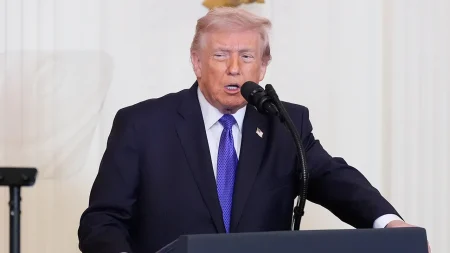
The congressional investigation comes during a particularly charged period for D.C. law enforcement, coinciding with President Donald Trump’s federal crime crackdown in the district. In August, Trump issued an executive order addressing what he called an “epidemic of crime” in Washington and deployed federal law enforcement personnel, including the National Guard. Several commanders interviewed by the committee acknowledged that this federal surge had been beneficial in supplementing the department’s resources. The timing of these revelations creates a complex narrative around crime reduction efforts in the capital, especially as Mayor Muriel Bowser recently highlighted a 30% decrease in homicides this year.
Mayor Bowser has defended Smith’s leadership in a statement to Fox News Digital, saying: “The men and women of the Metropolitan Police Department run towards danger every day to reduce homicides, carjackings, armed robberies, sexual assaults, and more. The precipitous decline in crime in our city is attributable to their hard work and dedication and Chief Smith’s leadership.” However, the congressional report directly challenges this assessment, stating: “By pressuring her command staff to alter classifications for the sole purpose of artificially reducing crime numbers reported out to the public, Chief Smith incentivized the manipulation of crime numbers, which do not adequately account for the crime taking place in D.C.” This fundamental contradiction raises serious questions about whether the reported crime reductions reflect actual improvements in public safety or statistical manipulation.
The committee’s findings paint a picture of a police department where career officials lived in fear of delivering bad news, creating an environment where accuracy in crime reporting became secondary to meeting implicit expectations for favorable statistics. Commanders described an atmosphere where they faced a difficult choice between honest reporting that could damage their careers or participating in what the report characterizes as systemic data manipulation. This alleged pressure from the top filtered down through the ranks, potentially affecting how officers on the street classified and reported crimes they encountered. If substantiated, these practices would not only misrepresent the crime situation to the public but could also misdirect policing resources away from areas with genuine need.
As Chief Smith prepares to leave her position at year’s end, the allegations in this report cast a shadow over her tenure and raise important questions about transparency in policing and crime statistics. The situation highlights broader challenges in measuring and addressing urban crime, where political pressures and public perception can sometimes conflict with accurate data collection. Mayor Bowser has indicated she expects the same high standards from the next Chief of Police, but the congressional report suggests that defining those standards—particularly around honest crime reporting—may be the first challenge the new leadership must address. Meanwhile, Washington residents are left to wonder whether the reported crime reductions reflect reality or whether the true state of public safety in their neighborhoods has been obscured by statistical manipulation.