



The Bombshell Subpoena in the Epstein Saga
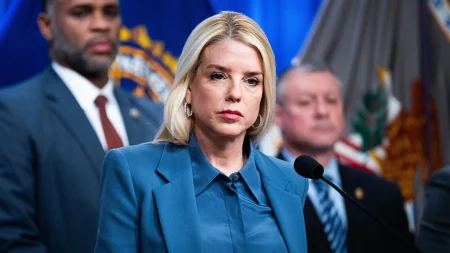
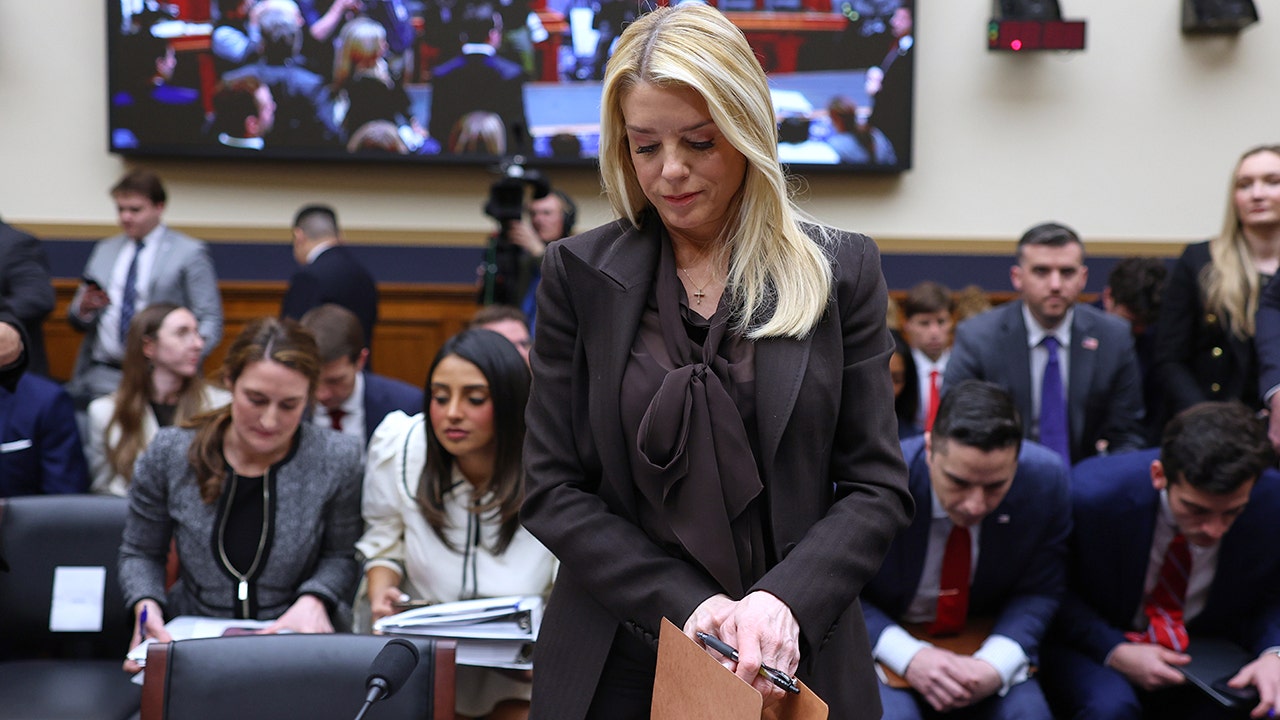
Imagine waking up to a political storm brewing right in the heart of Washington, where investigative teeth are bared, and the ghosts of past scandals refuse to stay buried. That’s the vibe right now with the House Oversight Committee, led by Chairman James Comer from Kentucky, who just dropped a hefty subpoena on Attorney General Pam Bondi. It’s all tied to the tangled web of the Jeffrey Epstein case, that infamous playbook of wealth, power, and alleged crimes that has haunted society for years. As someone who’s followed these stories like a suspenseful novel, I can’t help but feel a mix of outrage and intrigue—how could one man’s alleged wrongdoings stretch into systemic questions about justice itself? The purpose? To grill Bondi on what looks like potential mismanagement in how the Justice Department handled Epstein’s probe and the fallout involving his associate Ghislaine Maxwell. We’re talking about a deposition set for April 14, forcing Bondi to sit down and answer questions under oath. It’s a reminder that accountability doesn’t always come easy in politics; sometimes you need legal muscle to pull back the curtain.
But let’s humanize this a bit—no one’s just a name on a subpoena. Bondi, once Florida’s Attorney General, stepped into this role with a mandate to oversee transparency, yet here she is, caught in the crosshairs. Critics whisper that the Epstein files have been dribbled out like breadcrumbs, protecting powerful figures while leaving victims in the lurch. Picture the committee’s cover letter, released on a regular Tuesday, laying it out starkly: We’ve got questions about the DOJ’s compliance with the Epstein Files Transparency Act. Bondi’s directly on the hook for reviewing and releasing those records, which paint a picture of a justice system that might’ve fumbled the ball. And it’s not just procedural nitpicking; this probe could lead to real legislative changes, beefing up anti-trafficking laws and rethinking how plea deals are used in sex-crime cases. In a world where trust in institutions is as fragile as a house of cards, actions like this feel empowering, a step toward ensuring that no one, no matter their status, dodges the spotlight indefinitely.
What strikes me most is how this isn’t a sudden drama—it’s a symphony of failures built over decades. From George W. Bush’s presidency way back in the 2000s, through Barack Obama’s two terms, and into Donald Trump’s first go-round, Epstein’s shadow loomed large. Each administration grappled with him, yet justice often felt like a revolving door. Trump himself has boasted about being the one who finally brought Epstein to justice, and yeah, his team had a hand in Epstein’s 2019 arrest, which ended tragically—or conveniently—with his supposed suicide in custody. But the story doesn’t stop there; Maxwell’s prosecution rolled in under Joe Biden, unveiling more layers of what many call a conspiracy of silence. As a regular observer, I remember the headlines back then—the shock of Epstein’s lifestyle, the island, the young victims, the powerful names whispered in the corridors. It felt personal, like a betrayal of the American dream where the elite could operate above the law. Now, this subpoena isn’t just probing past mistakes; it’s shining a light on how each era contributed to a narrative that still leaves gaping holes, like why so many leads went cold or agreements were cut that seem more like cover-ups.
Enter Prince Andrew and other VIPs, whose connections turn this into a global intrigue. Remember that resurfaced photo from Martha’s Vineyard? There he is, casual as can be in a bathrobe and barefoot, hanging with Epstein— a snapshot that’s haunted the royal family and amplified demands for answers. It’s human moments like these that make the Epstein case relatable: folks like you and me, glued to newsfeeds, wondering if justice ever truly prevails. The committee’s digging into this mess because Epstein’s network allegedly exploited vulnerabilities, often of the young and vulnerable, mixing glamour with horror. And while Andrews faces protests from citizens heckling King Charles, Kate Middleton, and Prince William—demanding clarity—it’s a testament to how this scandal transcends borders. As someone who’s pondered late-night what-if scenarios, it’s heartbreaking to think of the real lives shattered, families torn, all while powerful figures slipped away with slaps on the wrist.
But back to Bondi and Todd Blanche, her deputy— they’ve offered an olive branch, a private briefing to committee members on Wednesday. It’s a curious twist: on one hand, cooperation; on the other, perhaps a deflection from that starched subpoena. Critics aren’t buying it, slamming the DOJ for dragging their feet on releasing Epstein’s files. They’ve argued it’s about volume—overwhelming stacks of documents—and protecting victims from further trauma, but skeptics see it as a smokescreen. The Transparency Act, signed by Trump last November, was meant to unlock truths, yet here we are, still waiting. It’s frustrating, isn’t it? In a era of instant info, why cloak secrets that could expose predators? Comer’s team isn’t playing games; they know their oversight jurisdiction gives them carte blanche to investigate “any matter,” demanding testimony and docs. As an everyday citizen following this, I appreciate the push— it restores a sliver of faith that institutions might prioritize truth over optics.
Finally, looking ahead, this could reshape how we handle such cases, pushing for reforms that prevent future Epsteins. Legislatively, it’s about plugging holes in anti-trafficking efforts, maybe rethinking plea bargains to avoid deals that let the big fish swim free. The human element? It’s about dignity—for survivors who’ve spoken out despite the stigma, for families seeking closure. While the subcommittee on national security investigates ties to national safeguards, the core issue remains: a system perhaps too cozy with power. Bondi’s deposition might just be the catalyst for change, or it could fizzle into more partisan bickering. Either way, it’s a chapter in a larger story of resilience. Fox News even lets you listen to articles now, making these updates accessible on the go—because in today’s fast world, staying informed shouldn’t be a chore. Ultimately, this subpoena is a call to action: let’s demand better, lest history repeat itself in the shadows.