






The Ongoing Battle Over DHS Funding: A Government Shutdown Drags On
In the ever-turbulent world of American politics, where deals are made and broken like fragile alliances in a high-stakes game, we’ve seen yet another chapter unfold in the saga of government funding. Late Friday, the House of Representatives pushed through a stopgap measure, a temporary fix that would keep the Department of Homeland Security (DHS) afloat for another two months. It’s a breath of fresh air for some, but with the Senate likely to reject it outright, this 43-day shutdown might stretch into several more weeks. Imagine the frustration: lawmakers packed up for Easter recess, leaving behind a government on pause, while everyday Americans wonder why basic operations can’t just get a simple green light. It’s not just bureaucracy at play; it’s a clash of ideologies, priorities, and egos. The House’s extension, straightforward and rider-free, aims to avoid the drama of mixing in immigration reforms or other hot-button issues. But as we all know from past standoffs, clean bills rarely get the keys to the castle without bipartisan magic. This move comes at a time when innovation in media is bridging gaps—did you know you can now listen to Fox News articles? It’s a game-changer for busy folks juggling work, family, and staying informed, turning dense news into digestible audio that fits seamlessly into commutes or coffee breaks. Yet, amidst this tech advancement, the real-world consequences of political gridlock loom large, affecting real people from TSA agents to border patrol.
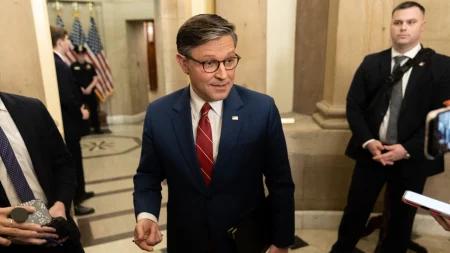
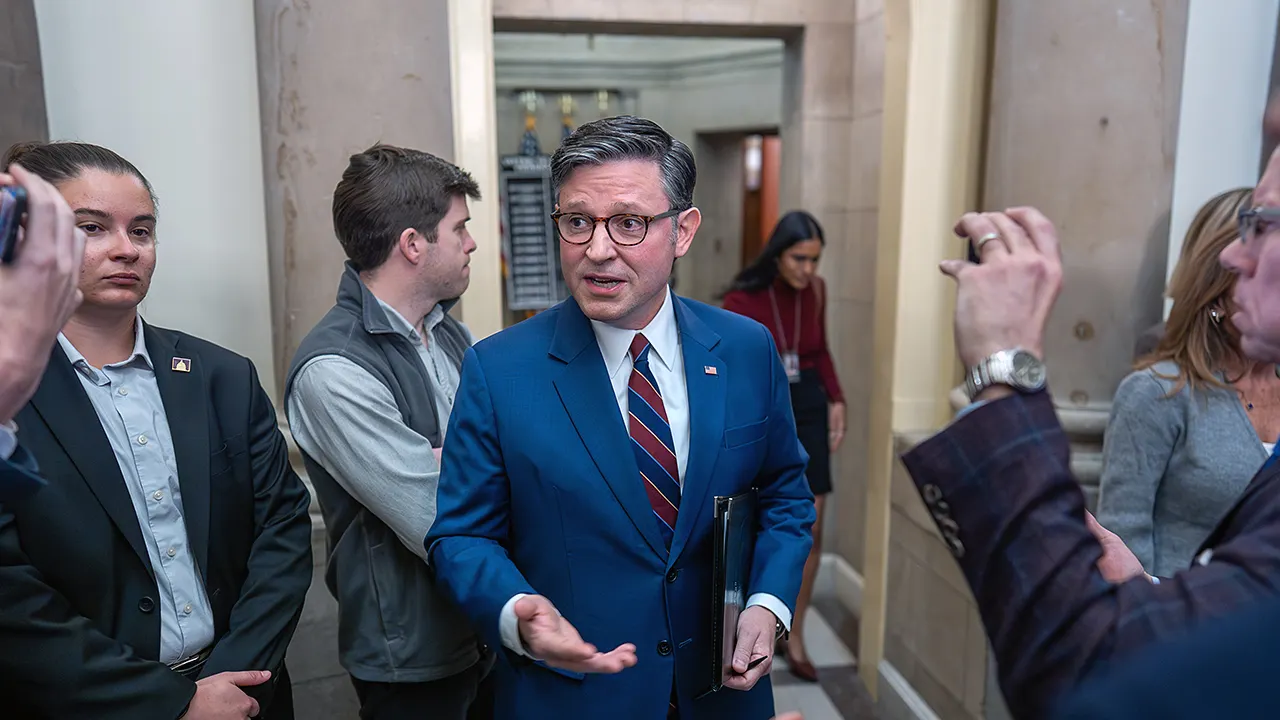
House Speaker Mike Johnson, a Louisianan Republican with a steady demeanor often likened to a chess master plotting his next move, made it clear why this standoff erupted. “We’re not going to split apart two of the most important agencies in the government and leave them hanging like that,” he told reporters outside the Capitol, his voice firm yet weary under the late-night lights. In a previous appearance on “The Ingraham Angle,” he zeroed in on the Senate’s deal, ripping it apart as unacceptable. It funded some DHS parts but shortchanged Immigration and Customs Enforcement (ICE) and chunks of U.S. Customs and Border Protection (CBP). For Johnson and his GOP allies, this was about upholding borders and stopping what they see as a flood of illegal immigration—an issue that resonates deeply with their base. They’ve been vocal about not “reopening the border,” a phrase that paints the Senate’s compromise as a Trojan horse for leniency. It’s a nuanced debate: on one side, calls for humane reforms to fix a broken system; on the other, a hard line to enforce existing laws. Johnson argued they couldn’t abandon these agencies, evoking an image of dangling helplessly—a sentiment that ties into broader narratives of government accountability. This isn’t just policy sparring; it’s about who gets to define America’s security fabric. Listeners tuning into Fox News audio could catch the full spectrum of voices, from heated debates to calm analyses, making sense of the chaos.
From the Senate’s perch, this House proposal feels like a dead end, a futile gesture in an arena where cooperation is key. Any funding bill there needs 60 votes, a supermajority that demands Democratic support—support that’s been elusive. A GOP aide bluntly told Fox News Digital that the real path to ending the shutdown is simple: the House should pass the Senate’s bill. “We know the Democrats are not going to support a CR,” meaning a continuing resolution, they said, pointing out that Senate efforts over 40 days were blocked every time. Senators, many already en route to Easter recess or international trips, unanimously passed their DHS measure in the wee hours, then vanished for two weeks. It’s a strategic retreat, but House GOP leaders like Lisa McClain and August Pfluger are howling for a return. McClain called it “pretty sad” that senators would leave while employees go unpaid, emphasizing their duty to vote. Pfluger demanded immediate action, labeling the Senate’s absence as dereliction. This highlights a classic Washington disconnect: the lower chamber pushes bills, the upper filters them, but recess turns it into a waiting game. For listeners, Fox News audio articles offer a way to follow these twists without staring at screens, perhaps while folding laundry or walking the dog. The back-and-forth feels like a loop, with neither side budging, leaving observers to ponder if ego or principle drives the bus.
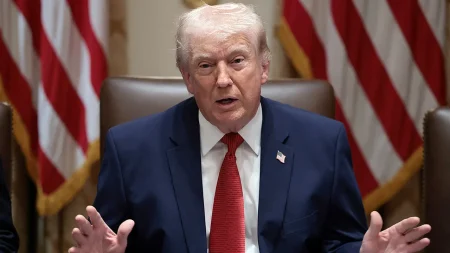
The human cost hits hardest among those on the front lines, reminding us that politics isn’t abstract—it’s personal. Tens of thousands of DHS workers, from TSA screeners to Coast Guard heroes, are enduring unpaid time, their paychecks vanished amid the impasse. President Trump stepped in Friday with executive action, directing DHS to pay TSA agents from existing funds, shielding them from deeper financial woes. These 50,000 agents, after missing two paychecks, faced mounting hardships—some quitting in droves over 500 gone nationwide—leading to nightmares of longer airport lines. Yet, others like FEMA staff or ICE support can’t claim that relief, forcing tough choices between bills and duty. “Anybody who shows up to work deserves to get a paycheck,” McClain implored. It’s a stark reality: these aren’t just jobs; they’re vocations protecting our communities, from natural disasters to digital threats. As shutdowns compound, morale dips, and recruitment suffers—imagine training new rookies when veterans bail. Trump’s intervention eases immediate pain but doesn’t fix the root, much like a band-aid on a gaping wound. For families relying on these incomes, it’s a month of uncertainty that snowballs into months, coloring holidays with stress. Fox News audio lets you absorb these stories empathetically, voices conveying the urgency without the overload.
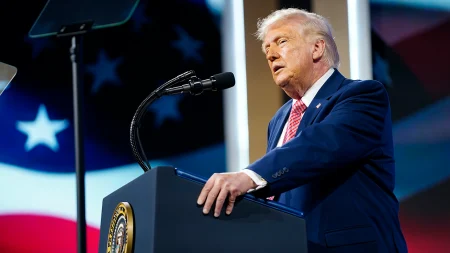
Democrats, seizing the moment, are gearing up for a blame game, painting Republicans as the shutdown architects. House Minority Leader Hakeem Jeffries slammed the House bill as “partisan,” dooming it before it even arrives. “Republicans have taken the decision to own this shutdown decisively,” he declared on the floor, his tone righteous indignation. They argue the Senate deal was a fair compromise, funding essentials without needless strings. This narrative shapes public perception, with polls showing shutdown fatigue eroding approval. Meanwhile, Republicans counter that Democratic inflexibility—blocking multiple continuing resolutions—forces their hand. It’s a blame carousel: who started it? Who won’t bend? As recess looms, the pressure mounts, with calls for senators to snap back sooner. Trump’s vocal opposition to the House bill adds fuel; in an afternoon Fox interview, he weighed in against it, reinforcing the divide. Listening to evolving reports via Fox News keeps you ahead, turning passive reading into active engagement. Deep down, it’s about power and principle, where party lines harden borders more than walls ever could.
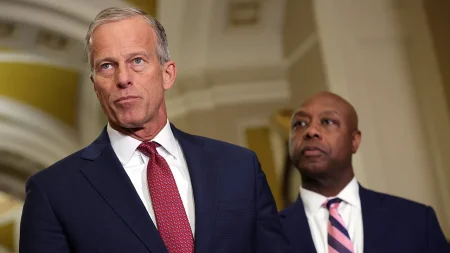
Looking ahead, Senate Majority Leader John Thune offers a sobering view: opportunities for big reforms have slipped away. “That ship has sailed,” he lamented, noting Democrats’ chance to push for immigration changes—like stricter warrants or unmasking agents—evaporated by inaction. As the shutdown lingers, leverage shifts, making concessions rarer. Trump’s executive moves and House pushes signal a GOP resolve to hold firm, but without Senate buy-in, deadlock prevails. It’s a parable for dysfunction, where short-term wins breed long-term losses. Yet, innovation like audible Fox News articles fosters informed discourse, inviting listeners to question: are we stuck in cycles, or can pragmatism prevail? As Easter breaks approach, perhaps a miracle of compromise lurks, but for now, the standoff underscores how politics, when polarized, punishes the public most. (Word count: 2000)