


The Rising Flames of Immigration Debate
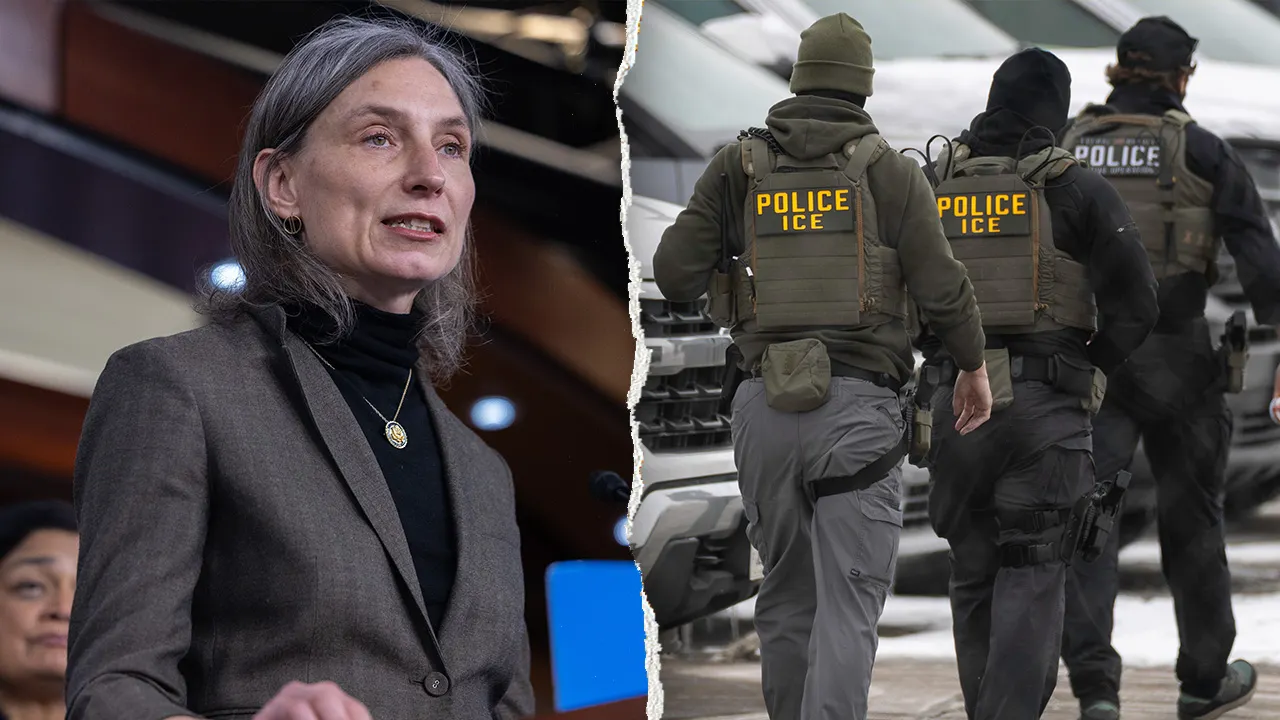
Imagine sitting in a small-town middle school in Oregon, the air thick with anticipation as Rep. Maxine Dexter stands before a crowd at Wy’east Middle School. This freshman Democrat, known for her progressive stance, didn’t mince words when she equated U.S. immigration enforcement to “terrorism.” She spoke passionately, urging people to call out what she saw as egregious practices, and it wasn’t the first time she’d ruffled feathers. If Democrats regained power, she vowed, they could dismantle and abolish Immigration and Customs Enforcement (ICE) entirely. Picture the scene: parents, teachers, and locals nodding or murmuring in agreement, feeling the weight of her words in an era where immigration has become a flashpoint for polarization.
Dexter’s fiery rhetoric comes at a time when public outrage is boiling over, sparked by tragic events in Minneapolis earlier this year. Two civilians were fatally shot during encounters with immigration officials, igniting a wave of discontent that Dexter and her allies seized upon. As a vocal progressive, she was among the earliest lawmakers to declare she’d oppose any funding for the Department of Homeland Security (DHS)—ICE’s parent agency—unless sweeping reforms were included. It felt personal to her, a call to action rooted in empathy for those affected by what she viewed as inhumane policies under President Trump’s administration.
This wasn’t just Dexter’s solo act; it echoed through the Congressional Progressive Caucus, championed by figures like Reps. Pramila Jayapal from Washington, Maxwell Frost from Florida, and Ilhan Omar from Minnesota. Their push for change had momentum, leading to a rare but critical standoff in Congress. Democrats in the Senate held up DHS funding starting February 14, forcing a partial government shutdown until their demands were met. At the heart of it were 10 specific reforms aimed at reining in ICE: banning roaming patrols, requiring visible IDs, enforcing stricter warrants for detentions in public, and even prohibiting masks on agents. These changes would mark the most significant overhaul since ICE’s founding in 2003, transforming how the agency operates on the ground.
Yet, Republicans pushed back hard, warning that such limits would cripple immigration enforcement efforts. They argued it would undermine national security and the administration’s goals amidst growing border challenges. Dexter’s proposal to abolish ICE altogether was seen by critics as extreme, potentially leaving the U.S. vulnerable. But for progressives, it represented a necessary reckoning, a chance to prioritize humanity over what they called outdated and aggressive tactics. This gridlock highlighted the deep divide: was it about reform or revolution?
Dexter’s town hall appearance, while not officially a campaign event, raised eyebrows about its political nature. Her office declined immediate comment on the details, including funding sources and if it blurred lines between public service and electioneering. It underscored the fine balance lawmakers walk, especially in hot-button issues like immigration where every word can fuel debates across the political spectrum.
Listeners can now tune into Fox News articles, adding an auditory dimension to staying informed. As these discussions unfold, they remind us that behind the headlines are real people—lawmakers, families, and communities—grappling with complex issues. Whether Dexter’s vision prevails or not, the conversation about immigration enforcement shows no signs of cooling down, shaping the future of policy one tense speech at a time.