






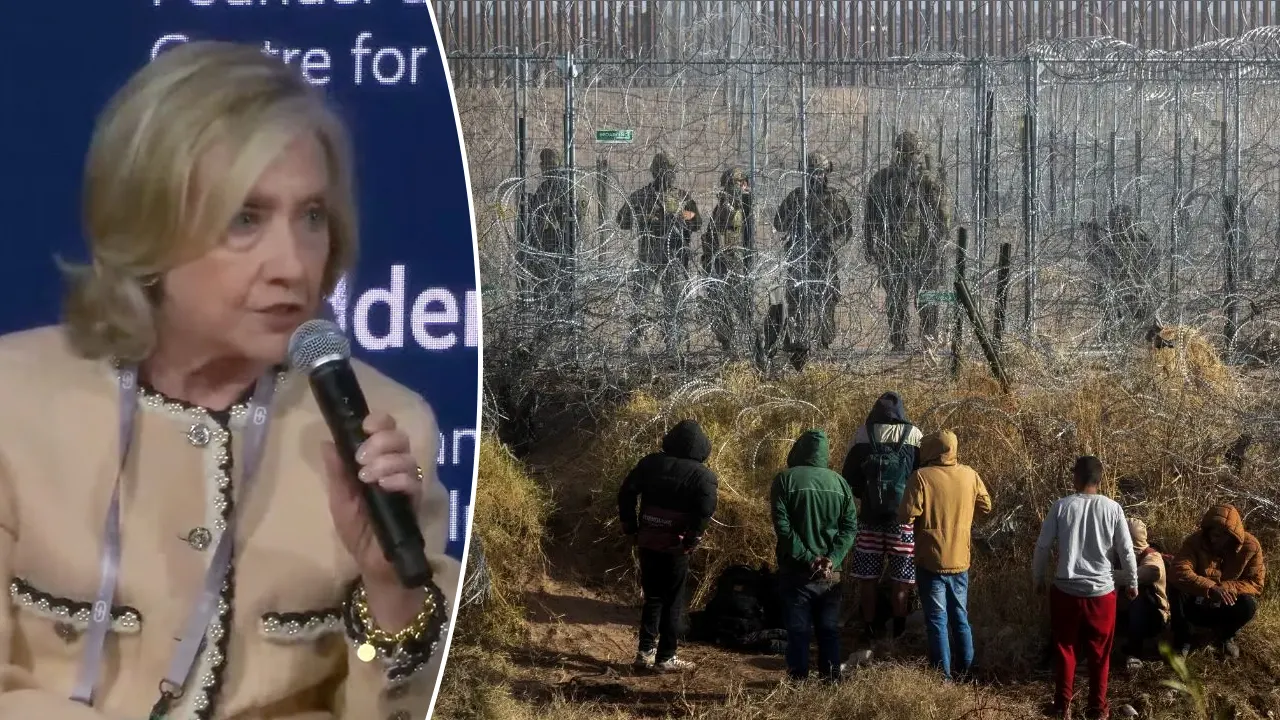
In a world where geopolitical tensions simmer like a constantly bubbling pot, imagine sitting in a plush conference hall in Munich, Germany, surrounded by sharp-suited diplomats and flickering screens displaying the latest headlines. It’s the Munich Security Conference, and Hillary Clinton, with her trademark poise and steely gaze, steps up to the podium for a panel discussion titled “The West-West Divide: What Remains of Common Values.” You’ve probably seen her on the campaign trail or in those late-night TV specials, but here she’s not just a politician—she’s a seasoned voice reflecting on the fractures within Western alliances, particularly over immigration and borders. She starts off diplomatically, acknowledging that debates on migration are valid. “There’s a legitimate reason to have a debate about things like migration,” she says, her voice steady and unwavering, drawing from years of experience in the White House and beyond. It’s not just rhetoric; it’s personal. Think about it—Clinton, who has traveled the globe and interacted with leaders from every corner, knows firsthand how these issues ripple through societies. She recalls how uncontrolled migration can disrupt lives, economies, and even the very fabric of communities. “It went too far,” she emphasizes, “it’s been disruptive and destabilizing.” But she’s quick to pivot, insisting that any solution must be humane, with secure borders that protect rather than punish. Imagine the families torn apart at checkpoints, the desperation in people’s eyes as they seek refuge—Clinton paints a picture of borders that don’t “torture and kill people,” evoking the human cost of policy gone wrong. This isn’t abstract; she’s thinking of real stories, like the migrants crossing treacherous terrains, fleeing violence only to face more. Her words carry weight because she’s lived through it: as Secretary of State under Obama, she navigated global conflicts that fueled these migrant waves. And now, as she speaks, she’s urging a return to common values—compassion paired with control. Behind her, monitors flash related news, like ICE’s plans to ramp up deportations with billions in funding, a stark reminder of the ongoing border battles in the U.S. Clinton nods to that context, urging a middle ground where security doesn’t equate to cruelty. It’s a nuanced stance, shaped by her own evolution on the topic. Back in 2016, during her presidential run, she opposed large-scale expansion of a border wall, arguing it was a false fix that ignored root causes. Instead, she championed Obama’s executive actions, which offered protection to millions of children and parents here undocumented, dreaming of American promise. She wanted to end family detention, those heart-wrenching scenes of kids separated from parents in detention centers, calling them inhumane. Scaling back immigration raids was another priority for her; she saw them as seeds of fear, disrupting Latino communities and fostering division instead of unity. “Unnecessary fear and disruption in communities,” she once said, her words echoing the sentiments of families who felt the sting. But she wasn’t soft on crime—violent offenders should go, as per Obama’s policies, but the everyday immigrant striving for better deserved empathy. Fast-forward to 2018, and Clinton’s voice rose again, this time on social media, decrying the Trump administration’s harsh deportation tactics. In a tweet that sparked outrage, she wrote, “It is now the official policy of the U.S. government—a nation of immigrants—to separate children from their families. That is an absolute disgrace. #FamiliesBelongTogether.” It was a call to conscience, resonating with parents everywhere who could imagine the terror of losing a child to bureaucracy. Clinton has always humanized the issue, reminding us that these aren’t just statistics; they’re people with hopes, dreams, and resilience that built America. Her advocacy isn’t political posturing—it’s born from a lifetime of advocacy, from women’s rights to children’s health, all rooted in an understanding that families are the cornerstone of civilization. As the panel progresses, she ties it back to economics, painting immigration as America’s secret sauce. Speaking at a civic series in Manhattan last year, she argued that immigrants, legal or not, have fueled economic growth. “One of the reasons why our economy did so much better than comparable advanced economies across the world is because we actually had a replenishment, because we had a lot of immigrants, legally and undocumented, who had a, you know, larger than normal—by American standards—families,” she explained, with a nod to how those extra hands and innovative spirits kept the workforce vibrant. It’s a reminder that behind every policy debate are stories of entrepreneurs starting diners in small towns, educators shaping young minds, and laborers building infrastructure. Clinton’s focus on family structures underscores her belief that strong families stabilize societies, providing the emotional and social glue. Without that, she warns, civilizations weaken—think of the decline of empires where social bonds frayed. In Munich, under the gaze of international press, she’s bridging divides, showing that the West’s strength lies in its capacity for empathy amid enforcement. ICE’s recent moves, with $38.3 billion for 92,600 detention beds, highlight the pushback she addresses, yet her message is clear: humanity must prevail. As the panel wraps, you can almost feel the room shift, delegates exchanging looks, perhaps rethinking their hardlines. Clinton leaves not as just a former candidate, but as a bridge-builder, humanizing a divisive topic.
Diving deeper into Hillary Clinton’s journey and the nuances of her immigration philosophy reveals a woman shaped by real-world experiences, not soundbites. Picture her younger days, as First Lady, advocating for healthcare reform, or as Secretary of State, brokering peace deals in rogue nations—immigration was always on the periphery, a background hum to her global duties. At the Munich panel, her shift in tone on border security felt like a pivot born from years of reflection. Once seen as more lenient on migration, Clinton now echoes criticisms from conservative corners, acknowledging the chaos unleashed by unchecked flows. But it’s not sudden; it’s evolved. During the Obama years, she supported programs that prioritized amidst enforcement, understanding that not all migrants were threats. Her opposition to Trump’s wall wasn’t out of weakness—it was practicality. Walls don’t address why people leave: poverty, conflict, climate change. Clinton’s “humane way” envisions tech-driven security, like advanced surveillance and data sharing, combined with diplomacy to stem migration at the source. Imagine partnering with countries in Latin America to build local economies, reducing the lure of the U.S. as the be-all end-all destination. That’s Clinton’s vision—proactive, not reactive. She recounted tales from her travels, like meeting refugee women in camps who shared stories of loss, reinforcing her stance against policies that kill or torture. The image of families surviving perilous journeys, only to face harsh deportations, fuels her fire. Back home, ICE’s capacity hike to nearly 93,000 beds, funded by a massive $38.3 billion expansion, represents the enforcement side, but Clinton warns it creates a revolving door without addressing causes. She references historical precedents, like post-WWII migration waves that rebuilt Europe, arguing America needs that vitality too. Her 2016 platform promised family reunification without the fear of raids, drawing from Obama’s model of targeted deportations for criminals while protecting the vulnerable. Critics called it amnesty; she saw it as pragmatic mercy. In 2018, her #FamiliesBelongTogether hashtag amplified victims of separation—kids in cages, parents deported alone—evoking outrage worldwide. As a mother herself, with daughter Chelsea, Clinton speaks from experience: family separation scars generations. Her argument at the Manhattan series painted immigrants as economic lifelines, their contributions outsizing their burdens. Undocumented workers in agriculture, care industries, tech startups— they’ve kept sectors afloat, especially during labor shortages. Clinton cited stats showing how diverse workforces drive innovation, from Silicon Valley breakthroughs to Main Street diner economies. Families aren’t just units; they’re incubators of talent. By disrupting them, policies stifle growth. Her call for strong family structures echoes cultural conservatives, blending unexpected alliances. Yet, she’s no isolationist—her Munich address emphasized Western unity, spanning transatlantic treaties. ICE’s deportation push, per recent headlines, aims to boost returns, but Clinton stresses evaluating each case humanely, looking at humanitarian exceptions. Think of the single mother seeking asylum from gang violence or the doctor fleeing oppression—exceptions aren’t loopholes; they’re justice. As the panel unfolded, delegates pondered her words, perhaps sensing the personal depth. Clinton’s life, post-2016, has been about writing books, giving lectures, mentoring young leaders. She’s humanized policy debates, sharing anecdotes from meetings with migrants, their hopes mirroring her own ascent from a working-class upbringing. In a digital age of viral stories, her message cuts through, reminding us borders are about people, not lines on maps. The West-West divide shrinks when values like compassion reign.
Now, let’s zoom into Hillary Clinton’s critique of Trump’s era policies, painting a vivid picture of how they exacerbated divisions and human suffering. At the Munich conference, her words carried the weight of hindsight, especially on family separations she once blasted. It’s not just politics; it’s a moral reckoning. She remembered the dark days of 2018, using her platform on X (formerly Twitter) to decry Trump’s approach. “It is now the official policy of the U.S. government—a nation of immigrants—to separate children from their families. That is an absolute disgrace,” she posted, the hashtag #FamiliesBelongTogether going viral and capturing the anguish of torn-apart households. Clinton wasn’t silent spectator; she amplified voices from the border, sharing photos and stories of wailing children, traumatized parents—real families reduced to pawns in a political game. Her stance evolved from Obama’s softer touch; Trump amplified enforcement, turning deportations into a spectacle. Clinton argued this seeded long-term damage, deterring asylum-seekers and criminalizing migration. ICE’s ramped-up efforts, with billions for beds and raids, she saw as counterproductive, fostering underground economies and human trafficking rings. Her humane fix? Prioritize vulnerable groups—victims of trafficking, LGBTQ+ migrants, unaccompanied minors—over blanket sweeps. At the Manhattan talk, she celebrated immigrants’ economic boon, countering mythologies of “drains on resources.” “Our economy excelled because of replenishment,” she said, describing how larger families meant more workers, more consumers, more vitality. Take the story of Jose, an undocumented farmworker building tomato empires in California, or Maria, the nanny raising suburban children while dreaming of reuniting hers. Their labors underpinned prosperity, yet policies treated them like criminals. Clinton drew parallels to historical migrations—like the Irish fleeing famine or Italians escaping poverty—that built America’s backbone without eroding its core. Disrupting family structures, she warned, undermined social stability, increasing crime and mental health crises. Her 2016 promise to scale back raids aimed to reduce that fear, allowing communities to thrive openly. Opposition to expanded walls stemmed from seeing them as costly failures elsewhere, diverting funds from education or job training. In Munich, amidst talk of West-West divides, Clinton bridged gaps, advocating for solutions like European-style burden-sharing, where countries collaborate on asylum processing. ICE’s $38.3 billion plan, as reported, is a stark contrast to her integrative approach. She envisions borders that facilitate dignified entry, perhaps through visa lotteries or skill-based programs, reducing illegal crossings and suffering. Personal anecdotes from her time peppered her speech: a Syrian family she met, longing for normalcy; an American business owner relying on migrant talent. Clinton humanized the debate, urging fellow leaders to see immigrants as assets, not adversaries. As the panel concluded, her message resonated—values aren’t divided by walls but strengthened by shared humanity. The conference buzzed with her call for secure yet compassionate policies, a blueprint for mending alliances frayed by populism’s rise. In summing up, Clinton emphasized that strong families are civilization’s foundation, and policies must nurture, not dismantle, them. Her discourse, blending empathy with strategy, offered hope amid global uncertainties. Delegates left inspired, perhaps rethinking homeland security through a kinder lens. Echoing in the halls was her plea: fix it humanely, or risk losing the common values that bind the West.
Transitioning from Clinton’s worldview to the broader implications of immigration on American society, consider how her emphasis on family structures mirrors national priorities. In Munich, Clinton’s speech went beyond policy, delving into the societal bedrock disrupted by flawed migration tactics. Families, she argued, are the nucleus of civilization—providing stability, education, and moral guidance. When deportations blast them apart, as under Trump, the fallout is profound: children scarred by abandonment, communities fractured by fear. Clinton referenced her own family life, raising Chelsea amidst hectic schedules, drawing parallels to the struggles of migrant parents working two jobs for a better future. Her opposition to family detention harkens back to images of tent camps and chain-link enclosures, where babies cried alone—inhumane by any measure. In 2016, she vowed to end such practices, aligning with Obama’s temporary lifts on deportations for certain groups, prioritizing merits over tenure. Scaling back raids wasn’t weakness; it was wisdom, recognizing that sudden sweeps instilled paranoia, hindering integration. Think of El Salvadoran families in Los Angeles, hiding from authorities, unable to seek health care or education. Clinton’s humane overhaul would channel resources into community outreach, mental health support for trauma survivors, and pathways to citizenship for those who’ve contributed. Economically, her Manhattan commentary highlighted immigrants’ upside. “Larger families” meant workforce expansion, filling gaps in aging demographics—the U.S., unlike Europe, benefited from youthful influxes. Stories abound: the Vietnamese refugee who opened a thriving nail salon, or the African engineer innovating green tech. Clinton cited how Canada and Australia thrived with skill-based immigration, urging America to follow suit. Undefined borders fueled criminality, she admitted, but walls weren’t the sole answer—she backed physical barriers where needed, like rugged terrains, but paired with technology for efficiency. ICE’s recent boosts, with 92,600 beds, signal aggressive enforcement, yet Clinton critiqued it as resource-wasteful, ignoring that most migrants come with purpose, not peril. She predicted that humane policies would yield cooperation: asylum-seekers following rules in exchange for fair hearings. Her 2018 tweets on separations resonated deeply, sparking marches and global empathy. #FamiliesBelongTogether wasn’t just activism; it was a rallying cry for unity, drawing Latinos, progressives, and even some moderates. Clinton’s evolution, from cautious support of Obama’s deferrals to stronger border talks, reflects public sentiment shifts post-pandemic surges. As First Lady, she championed child welfare; as Secretary, she brokered refugee deals. In Munich, under spotlight, she humanized borders: not monoliths, but gateways for opportunity. Delegates from diverse nations nodded, seeing parallels in their domestic debates—European countries grappling with Syrian or Ukrainian inflows. Clinton’s message urged balanced approaches, like EU quotas redistributed equitably. Strong families equal strong nations, she concluded, invoking Aristotle’s ideals of civic virtue. Her speech’s emotional core lay in reminding audiences of shared human stories, fostering solidarity over schism. By prioritizing humanity, borders become tools of inclusion, not exclusion. As the conference adjourned, her words lingered, prompting conversations on Capitol Hill, where upcoming bills debate ICE funding amid progressive revolts. Clinton’s advocacy, rooted in experience, inspires actionable change.
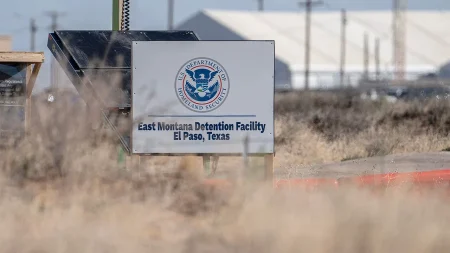
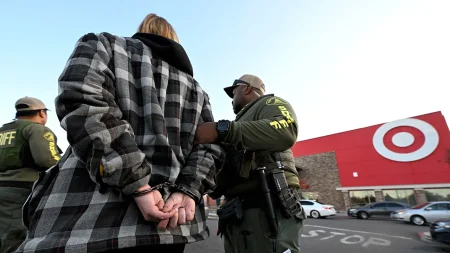
Fast-forwarding to contemporary echoes, Hillary Clinton’s Munich insights resonate with ongoing U.S. debates, where immigration remains a flashpoint. Picture Progressive Democrats pushing bills to curb ICE’s detention powers, restricting tools for holding criminal illegals—a direct counter to the agency’s $38.3 billion beef-up. Clinton, in her panel, would likely align with calls for reform, advocating targeted enforcement that spares non-criminals and families. Her history shows flexibility: in 2016, she pledged to oppose wall expansions nation-wide, favoring smart alternatives like drone surveillance and biometric tech. Public opinion has since hardened; post-COVID surges amplified fears of overwhelmed systems. Clinton acknowledged disruptions but insisted on humane fixes, contrasting ICE’s capacity hikes with human costs. Families split by raids face economic hits—dads deported, moms struggling alone—weakening communities. Her encouragement of Obama’s deport-violence-criminals-only policy echoed in current proposals, humanizing policing by focusing on threats, not status. Manhattan’s economic praise of immigrants underscores their role in GDP boosts; diverse workforces innovate faster, per studies she referenced. Undocumented families, often with U.S.-born kids, contribute billions in taxes yet face barriers. Clinton’s vision: pathways like DACA expansions, rewarding long-term residents. Her 2018 outrage over separations fueled bipartisan unease, leading to Rauner v. Trump court win against zero-tolerance. In Munich, members discussed Western values like human rights treaties, urging U.S.-EU pacts on migration. Delegates, from Berlin to Brussels, shared refugee challenges, finding Clintons’ empathy compelling—ties to her Clinton Foundation’s resettlement work adds credence. Strong families, she stressed, prevent societal breakdowns, from teen crime spikes to welfare burdens. ICE’s reports on deportation successes frame positives, but critics cite recidivism due to root-cause neglect. Clinton proposed holistic solutions: invest in source nations for stability, at-home job creation reducing crossings. Her shifts reflect electability lessons; softer on immigrants to appeal Latinos. Yet core humanism endures—borders sans cruelty, families intact. Conference buzz included tech talks for secure borders, like AI for asylum vetting, promising efficiency. Clinton’s message inspired youth attendees, humanizing policy as personal—immigrants as friends, not foes. As panels wrapped, calls for unity grew, with Fox News monitors tipping headlines on pending $1.2T bills brewing revolts over ICE funds. Clinton’s impact: bridging divides, making immigration relatable. Her legacy urges compassionate leadership in divisive times.
Wrapping it all together, Hillary Clinton’s appearance at the Munich Security Conference serves as a poignant reminder of her enduring influence on global immigration dialogues, blending principle with pragmatism in a fractured world. Her panel insights, evolving from prior stances, now prioritize secure yet ethical borders, acknowledging migration’s burdens while championing its benefits. From opposing 2016 wall escalations to critiquing 2018 separations, Clinton’s path reveals growth—shaped by mentorships, travels, and a mother’s heart. Her advocacy for humane reforms, inspired by personal encounters, counters ICE expansions with calls for targeted enforcement, family protections, and communal support. Economically, she’s underscored immigrants’ vitality, arguing their families fuel innovation and stability. Amid West-West tensions, her voice fosters empathy, urging alliance-building over isolation. Delegates and viewers alike, absorbing her narrative, saw immigration not as crisis but opportunity—fixed with compassion. Promotional notes like listening features enhance accessibility, democratizing news. Clinton’s humanized approach, weaving stories of resilience, inspires policy shifts toward unity. As the 2024 elections loom, her Munich words resonate, pushing for inclusive fixes. Strong families equal strong societies; humane borders protect without destroying. Her legacy: a call to action for values transcending divides. You can now listen to Fox News articles!