


HHS Launches Review of Minnesota’s Federal Funding Use Amid Fraud Concerns
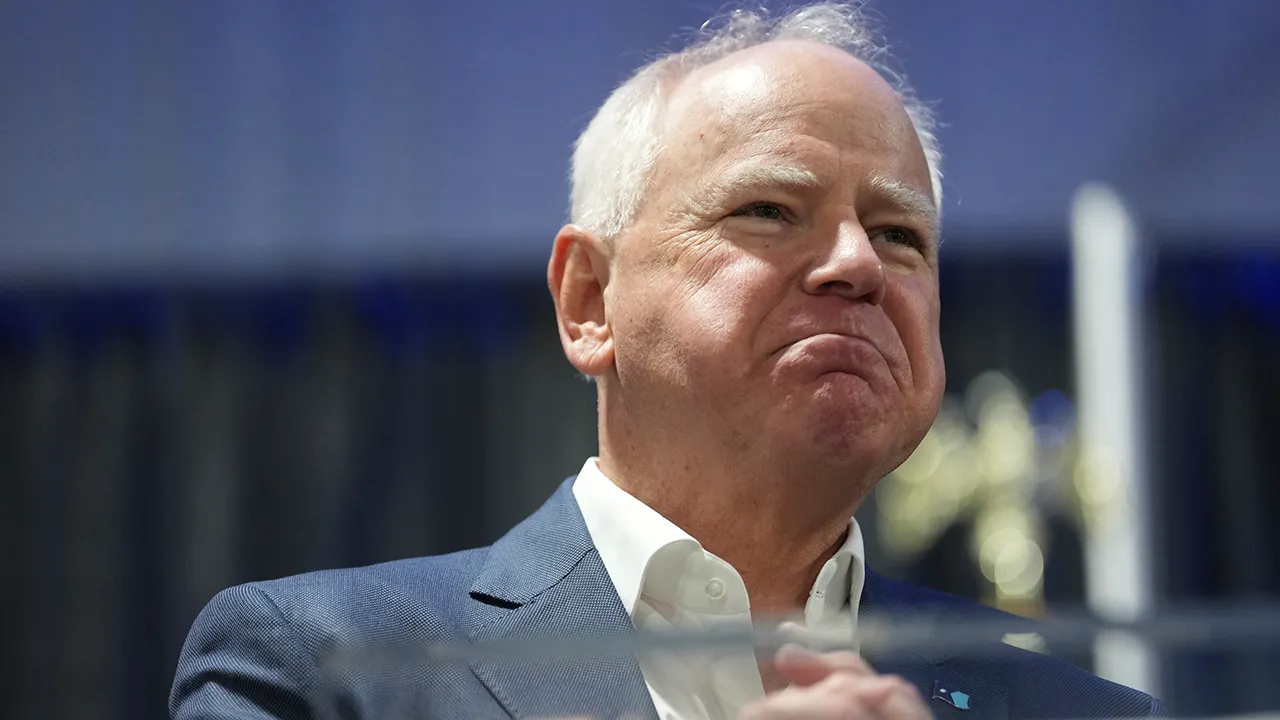
The Department of Health and Human Services has initiated a comprehensive review of Minnesota’s handling of billions in federal social service funding, raising serious questions about potential mismanagement under Governor Tim Walz’s administration. In a significant move that signals growing federal concern, HHS Assistant Secretary Alex Adams sent formal request letters to Governor Walz, Minneapolis Mayor Jacob Frey, and a nonprofit involved in Head Start programs. The investigation aims to determine whether safety-net funds were diverted inappropriately or potentially “used to fuel illegal and mass migration” into Minnesota. This probe represents a critical examination of accountability in a state that has received over $8.6 billion in Administration for Children and Families funding between fiscal years 2019 and 2025.
The scale of federal investment in Minnesota’s social services makes this review particularly consequential for state residents who depend on these programs and American taxpayers nationwide. In fiscal year 2025 alone, Minnesota received more than $690 million for safety-net programs under President Biden’s administration. Now, federal officials are requesting exhaustive documentation on how these funds were allocated and used, including detailed administrative data on recipients. This comprehensive information request covers names, addresses, dates of birth, and where applicable, Social Security numbers and immigration documentation. The thoroughness of this request underscores the seriousness with which federal authorities are approaching potential irregularities in Minnesota’s handling of these critical social service dollars.
The investigation emerges against a backdrop of troubling allegations from within Minnesota’s own Department of Human Services. According to reports, hundreds of DHS employees have claimed that warnings about potential fraud were systematically ignored, with whistleblowers allegedly facing retaliation for speaking up. These internal concerns, combined with recent high-profile fraud cases, have created a perfect storm of scrutiny for Governor Walz’s administration. Assistant Secretary Adams directly stated that HHS has “legitimate reason to think that they’ve been using taxpayer dollars incorrectly,” highlighting the gravity of the situation. The federal government appears determined to understand not just isolated incidents but potentially systemic issues in Minnesota’s administration of federal funding.
Perhaps most concerning is the context of previous fraud cases that have rocked Minnesota’s social service infrastructure. The state is still grappling with the aftermath of the “Feeding Our Future” scandal, where federal prosecutors charged dozens of individuals in a scheme that diverted more than $250 million intended for child nutrition programs. That money, meant to feed vulnerable children, was allegedly redirected toward luxury purchases and real estate investments. Many of those charged had connections to nonprofits serving Minnesota’s Somali community, adding a complex dimension to the case. Meanwhile, demographic data indicates Minnesota’s unauthorized migrant population increased by approximately 40,000 people between 2019 and 2023, reaching an estimated 130,000 residents – about 2% of the state’s total population – raising questions about whether misused funds may have inadvertently supported this growth.
The scope of the current HHS review encompasses numerous major federal assistance programs that form the backbone of social support for vulnerable Minnesotans. These include the Community Services Block Grant, Social Services Block Grant, Low-Income Home Energy Assistance Program, Title IV-E Foster Care, Refugee Cash and Medical Assistance, the Child Care and Development Fund, and Parents in Community Action (a Head Start grantee). This wide-ranging investigation signals that federal authorities are examining the entire ecosystem of safety-net programs in Minnesota, not just focusing on isolated incidents. The comprehensive approach suggests concerns that mismanagement may extend beyond a single program or department, potentially indicating systemic failures in oversight and accountability throughout the state’s social service infrastructure.
In his formal letters, Assistant Secretary Adams emphasized the current administration’s commitment to “rooting out fraud, protecting taxpayer dollars, and ensuring program integrity across all federal benefit programs.” This review represents a critical test for Governor Walz’s administration, which must now demonstrate that billions in federal dollars intended to support Minnesota’s most vulnerable residents have been properly managed and deployed. The outcome could have significant implications for state-federal relations and the future of social service funding in Minnesota. As the investigation unfolds, it underscores the essential tension between providing compassionate support to those in need and maintaining rigorous accountability for how taxpayer resources are utilized – a balance that appears to have been called into question in the North Star State.