





Trump’s Military Strategy in 2025: Peace Through Strength
Despite positioning himself as a president focused on peace, Donald Trump’s second term has seen decisive military action across the globe in 2025. The administration has authorized strikes in nine different countries and regions, framing these operations as essential measures to protect American national security interests. These actions reflect Trump’s longstanding doctrine of “peace through strength” – using decisive military force to deter enemies and create conditions for stability on American terms.
In Africa, the U.S. military continued its ongoing campaign against terrorist organizations, with particular focus on Somalia. A February airstrike targeting cave complexes in northern Somalia eliminated 14 ISIS-Somalia operatives, including Ahmed Maeleninine, described by U.S. officials as a dangerous recruiter and financier who coordinated terrorist deployments into the United States and Europe. Throughout the year, the U.S. Africa Command has maintained pressure on both ISIS factions and al-Shabab militants in the region, viewing these operations as critical to preventing terrorist groups from establishing secure havens from which they could plan attacks against American interests. The administration has portrayed these strikes as necessary preventative measures rather than acts of aggression.
One of the most visible military campaigns of 2025 was “Operation Rough Rider,” targeting Iran-backed Houthi fighters in Yemen who had been attacking U.S. military and commercial vessels in the Red Sea. According to Department of War spokesperson Sean Parnell, the operation hit over 1,000 targets between March and May, significantly degrading Houthi capabilities and resulting in numerous fighter casualties. The administration celebrated a diplomatic victory when the Houthis agreed to a ceasefire with the United States on May 6, halting attacks on American vessels. In neighboring Iraq, U.S. forces conducted a precise strike in March that eliminated ISIS’s second-in-command, Abdallah Makki Muslih al-Rifai, continuing the pressure on remnants of the terrorist organization that once controlled vast territories across Iraq and Syria.
Perhaps the most controversial military action of the year was “Operation Midnight Hammer,” a coordinated strike against Iranian nuclear facilities in June. Under direct presidential authorization, B-2 stealth bombers deployed from Missouri delivered bunker-busting bombs and Tomahawk missiles against three key Iranian nuclear sites in an overnight assault. Pentagon officials claimed the operation “decimated Iran’s nuclear capabilities” and contributed to a subsequent ceasefire between Iran and Israel. Democratic lawmakers sharply criticized the strikes as dangerous escalation, questioning both their effectiveness and legality. Iran responded with a counterattack against the U.S. Al Udeid Air Base in Qatar, though no American casualties were reported. The administration defended the operation as a necessary preventive action against an imminent nuclear threat.
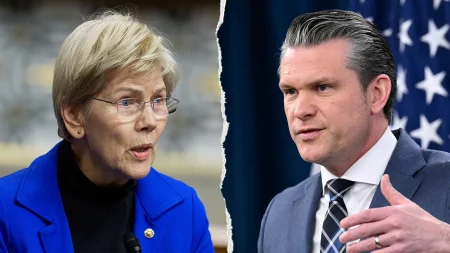
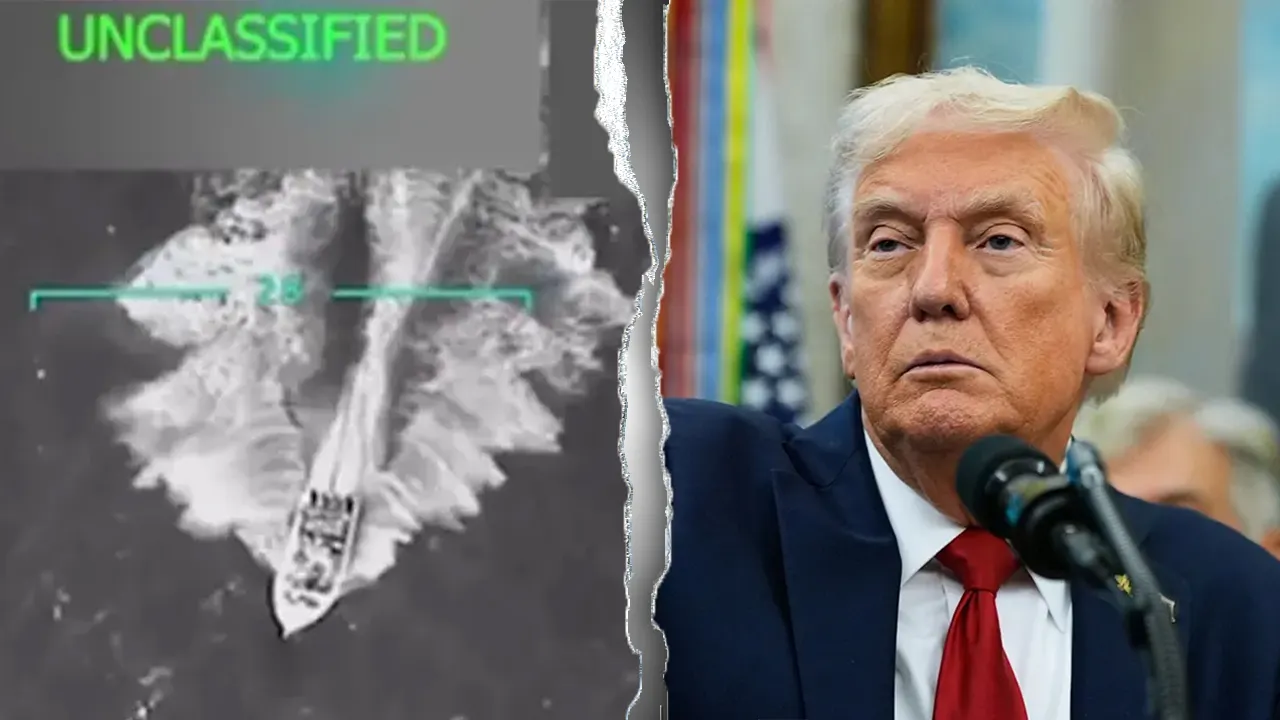
The Trump administration also dramatically expanded military involvement in counter-narcotics operations, launching “Operation Southern Spear,” which conducted 33 strikes against suspected drug trafficking vessels in the Caribbean and Eastern Pacific. These operations reportedly resulted in over 100 trafficker fatalities and prompted accusations of war crimes from some Democratic critics. Secretary of War Pete Hegseth defended the aggressive tactics as a counter-narco-terrorism campaign targeting designated terrorist organizations that pose a direct threat to American security. This hard-line approach to drug trafficking extended to South America, with Trump suggesting that U.S. forces had recently conducted strikes inside Venezuela against drug processing facilities. During a press conference, the president indicated that American forces had targeted “the dock area where they load the boats up with drugs,” escalating already tense relations with Nicolás Maduro’s regime.
As the year came to a close, U.S. military operations continued unabated with “Operation Hawkeye” in Syria and Christmas night strikes in Nigeria. The Syrian operation, launched December 19 in response to the killing of two American service members, employed over 100 precision munitions against ISIS targets, resulting in 23 terrorist operatives killed or captured. Hegseth explicitly framed the action as “a declaration of vengeance.” In Nigeria, U.S. forces conducted coordinated strikes with the Nigerian government against ISIS-linked militants in Sokoto State. President Trump personally justified these Christmas attacks by stating the targets were militants “who have been targeting and viciously killing, primarily, innocent Christians, at levels not seen for many years.” These year-end operations underscored the administration’s willingness to employ military force across multiple theaters simultaneously, all under the banner of defending American interests and allies against terrorist threats.